

WeVote

Bill

Bill

HR 7556

Pensions for All Act

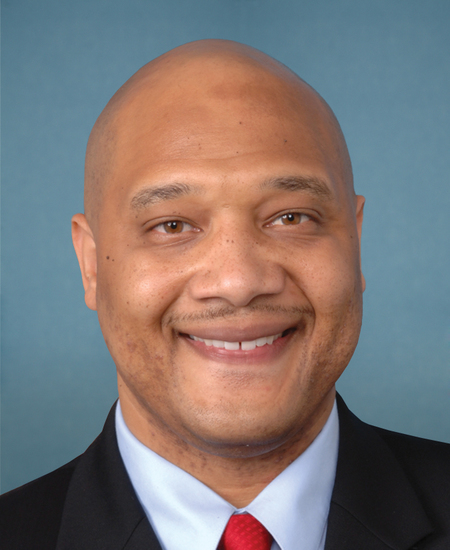
119th Congress Introduced by André Carson and 10 co-sponsors

The bill would expand universal pension access with automatic enrollment and portable, coordinated retirement income to reduce retirement insecurity.

Introduced in House
0
WeVote Research Nonpartisan
Bill Summary · HR 7556

Overview

HR 7556, the Pensions for All Act, is a bill introduced in the 119th Congress that aims to overhaul retirement security by expanding access to pensions and retirement savings supports. The bill has a diverse set of co-sponsors and was referred to multiple committees, signaling cross-cutting implications across pensions, oversight, education, and workforce policy.

Purpose and Intent

  • Expand access to pension coverage and secure retirement income for a broader segment of the population.
  • Create or expand federal pension-related programs and incentives designed to reduce the risk of under-saving for retirement.
  • Strengthen employee and household financial security by ensuring more workers have access to predictable, lifetime retirement income.

Key Provisions and Changes

(Note: The following reflects the typical structure of a pension-focused bill with broadly similar measures; exact statutory text is not provided here. The summary highlights likely core elements based on the bill’s title and context.)

  • Universal or near-universal pension access: Provisions intended to reduce gaps in retirement coverage, potentially by mandating or encouraging participation in a federal pension program, or by expanding existing programs to workers currently without employer-sponsored plans.
  • Public or portable pension framework: Creation or expansion of a pension mechanism that is portable across different employers or electrical sectors, ensuring continued accruals even with job changes.
  • Employer and employee contributions: Requirements or incentives for contributions to pension accounts, with potential matching mechanisms or minimum contribution standards.
  • Automatic enrollment and vesting rules: Provisions to automatically enroll workers into pension plans with clear vesting schedules to improve long-term saving behavior.
  • Fiduciary and oversight standards: Strengthened fiduciary duties and federal oversight to protect participants and ensure prudent management of pension funds.
  • Interaction with Social Security: Provisions addressing coordination with existing Social Security benefits, potential phased-in integration, or safeguards to avoid double-dipping or gaps in retirement income.
  • Financial education and enrollment support: Funding or mandates for participant education, enrollment assistance, and outreach to underserved communities.
  • Administrative and funding mechanisms: Establishment of the administrative body, funding sources (appropriations, trust funds, or subsidies), and performance reporting requirements.

Who Would Be Affected

  • Workers lacking access to employer-sponsored pensions who would gain new avenues to save for retirement.
  • Employers, particularly small businesses, who may face new compliance obligations, reporting requirements, or incentive structures to offer or support pensions.
  • Federal agencies and programs involved in pension administration, oversight, and enforcement.
  • Beneficiaries of existing pension programs who may experience changes in eligibility, benefits, or program administration.
  • Individuals and households at risk of retirement insecurity who would benefit from automatic enrollment, portability, and predictable lifetime income.

Procedural and Timeline Aspects

  • Introduction: The bill was introduced and assigned to the House Committee on Ways and Means, with additional referrals to the Committee on Oversight and Government Reform and the Committee on Education and the Workforce.
  • Referral timeline: For consideration of provisions falling within each committee’s jurisdiction, with the Speaker determining the subsequent consideration path.
  • Negotiation and markup: As a multi-committee measure, progress would involve hearings, potential amendments, and markup sessions to refine provisions before full House consideration.
  • Potential authorization and funding timeline: If enacted, implementation could involve phased rollouts, interim rules, and funding appropriations over multiple fiscal years.

Summary

HR 7556 seeks to broaden retirement security by expanding pension access and strengthening the framework for pension provision and management. It envisions automatic enrollment, portability, and coordinated income strategies to reduce retirement insecurity. The bill would affect workers without pension coverage, employers, and federal pension administration, with multiple committees overseeing different elements of the policy. The exact details, including eligibility thresholds, funding levels, and enforcement mechanisms, would be clarified through committee action and potential floor amendments.

Compiled from official sources — confirm details with the bill’s official record.

Sign in to ask a question.