

WeVote

Bill

Bill

SB 3412

PEN CD-COOK CO-TIER 2 POLICE

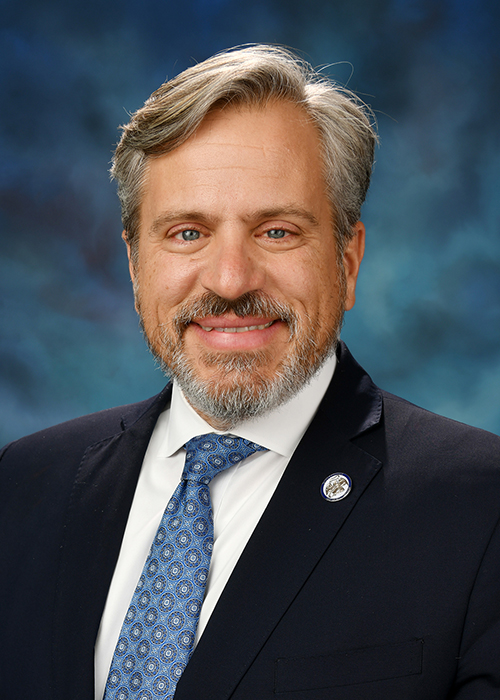
104th Regular Session Introduced by Rob Martwick

Establishes a tiered framework for Cook County police units, impacting funding, benefits, and oversight based on Tier 2 designation.

Referred to Assignments
0
WeVote Research Nonpartisan
Bill Summary · SB 3412

Summary of SB 3412 (104th Illinois General Assembly)

Purpose and intent

SB 3412, introduced in the 104th Illinois General Assembly, appears to be a measure related to policing in Cook County, with a focus on a “Tier 2” designation within the Police departments. The bill’s title, PEN CD-COOK CO-TIER 2 POLICE, suggests a framework for categorizing police units or officers in Cook County into tiers, potentially to govern funding, staffing, oversight, or benefits. The available action history indicates the bill was filed by Senator Rob Martwick and has a co-sponsor, with initial procedural steps (first reading and referral to Assignments) completed on February 4, 2026.

Key provisions and changes (as implied by the bill’s title and context)

  • Tiered framework for police in Cook County: Establishes or modifies a system that designates police departments or units within Cook County into at least a “Tier 2” category. The specifics (criteria for tiers, definitions, or metrics) are not provided in the excerpt, but the nomenclature implies a structured categorization.
  • Policy or funding implications tied to tiers: In typical “tier” legislation, tiers can affect funding allocations, pension or retirement provisions, eligibility for state assistances or grants, overtime rules, or requirements for additional programs (training, equipment, community policing initiatives). The bill likely outlines how Tier 2 status interacts with such funds or authorities.
  • Governance and oversight elements: The legislation may establish administrative processes for determining tier status, periodic reviews, or reporting requirements to a state department or commission overseeing policing in Cook County.
  • Impact on personnel or departments: Depending on tier implications, it could influence staffing levels, benefit structures, or eligibility criteria for certain programs or protections for officers located in Cook County.

Who or what would be affected

  • Law enforcement agencies in Cook County: Police departments or units within the county would be subject to the tier designation and any associated requirements or benefits.
  • Officers and personnel: Depending on tier-related provisions, sworn officers and possibly civilian staff could be affected by changes in funding, benefits, assignments, or training requirements.
  • State oversight or funding bodies: Agencies responsible for disbursing funds, grants, or administering pension and benefits programs may implement the tier-based rules.

Procedural and timeline aspects

  • Introduction and sponsorship: Filed on February 4, 2026, by Sen. Rob Martwick, with a co-sponsor listed.
  • First Reading and referral: The bill received its first reading on February 4, 2026, and was referred to the Assignments committee on the same day.
  • Next steps: After committee assignment, the bill would proceed to committee hearings, potential amendments, and then floor consideration by the Senate, followed by potential House action, subject to standard legislative timelines.

Notes for readers

  • The current summary is based on the bill’s title and the action history provided. The full text would specify precise definitions (what constitutes Tier 2), eligibility criteria, funding mechanisms, governance structure, sunset or renewal provisions, and any fiscal impact statements.
  • For stakeholders (police departments, officers, and community groups), it will be important to review the bill’s language on funding sources, reporting requirements, and any changes to existing pension or benefit frameworks.

If you’d like, I can incorporate the full text once available to provide a more detailed, line-by-line paraphrase of provisions and fiscal implications.

Compiled from official sources — confirm details with the bill’s official record.

Sign in to ask a question.