

WeVote

Bill

Bill

SB 1190

PEN CD-CHI POLICE-DISABILITY

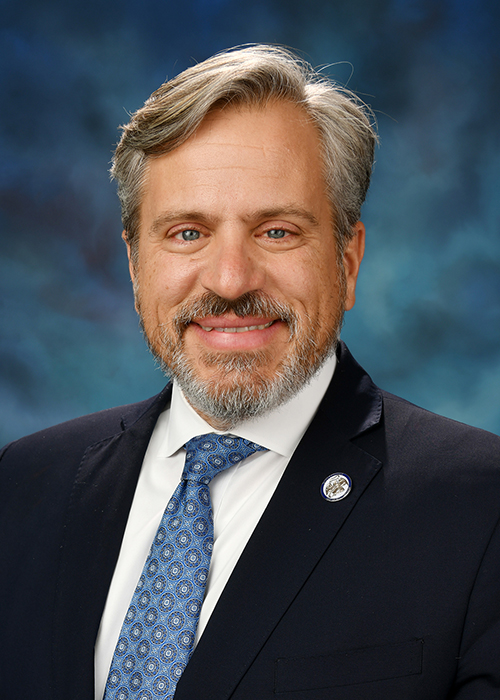
104th Regular Session Introduced by Rob Martwick

SB 1190 strengthens county ethics commissions by clarifying member selection, ensuring qualified appointments, term limits, and improved transparency for public trust.

0
WeVote Research Nonpartisan
Bill Summary · SB 1190

Summary of SB 1190: Relating to County Ethics Commissions

Purpose and Intent

SB 1190 aims to enhance the governance and integrity of county ethics commissions by establishing clearer guidelines for the selection of their members. The bill seeks to ensure that these commissions operate effectively and maintain public trust by promoting transparency and accountability in county-level ethics oversight.

Key Provisions

  • Selection Process: The bill proposes specific criteria and procedures for the appointment of members to county ethics commissions. This includes:

    • Qualifications: Establishing qualifications that potential members must meet to ensure they possess the necessary expertise and integrity.
    • Appointment Authority: Designating the authority responsible for appointing members, which may include county executives or legislative bodies.
    • Term Limits: Introducing term limits for commission members to promote turnover and diversity of perspectives.
  • Training and Resources: The bill may include provisions for training members of the ethics commissions to ensure they are well-versed in ethical standards and practices.

  • Reporting Requirements: Enhanced reporting requirements for ethics commissions to improve transparency in their operations and decision-making processes.

Affected Entities

  • County Ethics Commissions: The primary focus of the bill is on the functioning and governance of county ethics commissions across the state.
  • County Governments: Local governments will need to adapt their processes for appointing members to comply with the new guidelines established by the bill.
  • Public Officials and Employees: The changes may impact how public officials and employees interact with ethics commissions, particularly regarding compliance with ethical standards.

Procedural and Timeline Aspects

  • Introduced: January 25, 2023
  • First Reading: The bill passed its first reading on the same day it was introduced.
  • Referred to Committees: On January 27, 2023, the bill was referred to the Public Safety, Intergovernmental, and Military Affairs (PSM) and Judiciary (JDC) committees for further consideration.
  • Carried Over: As of December 11, 2023, the bill has been carried over to the 2024 Regular Session, indicating that it will be revisited for further discussion and potential amendments.

Conclusion

SB 1190 represents a significant step towards strengthening the ethical framework within county governments. By clarifying the selection process for ethics commission members, the bill aims to foster greater accountability and public confidence in local governance. Stakeholders, including county officials and the public, will need to stay informed about the bill's progress as it moves into the 2024 legislative session.

Compiled from official sources — confirm details with the bill’s official record.

Sign in to ask a question.