

WeVote

Bill

Bill

HB 5390

PATIENT BILL & OUTSOURCED CARE

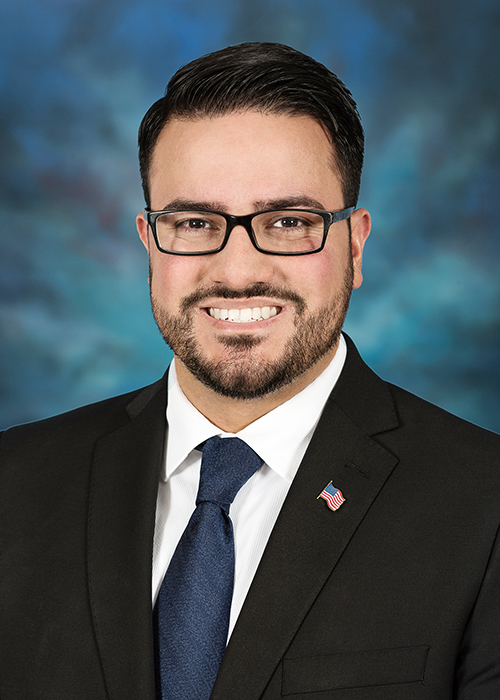
104th Regular Session Introduced by Omar Aquino and 5 co-sponsors

HB5390 strengthens fair billing by expanding financial assistance access, requiring uniform forms, multilingual notices, and protections for uninsured/immigrant status patients.

Sent to the Governor
0
WeVote Research Nonpartisan
Bill Summary · HB 5390

Summary of HB5390 (104th Illinois General Assembly)

Title and Purpose

HB5390 amends the Fair Patient Billing Act and related provisions to strengthen protections for patients regarding billing, financial assistance, and outsourcing of health care services. The bill emphasizes fair billing practices, expands access to financial assistance, and restricts discrimination based on citizenship or immigration status. It also expands uninsured patient discounts and clarifies duties for hospitals and their outsourced service providers.

What the Bill Aims to Do

  • Ensure patients are not denied protections or benefits of the Act due to citizenship, immigration status, or asset ownership.
  • Require uniform, AG-developed financial assistance forms (no later than Dec 31, 2026).
  • Mandate multilingual notice in all bills and collection notices about financial assistance and charity care.
  • Improve access to appeal decisions on denial of financial assistance (minimum 90-day appeal window).
  • Regulate hospital outsourcing to maintain fair screening, billing, and collection protections.

Key Provisions and Changes

Fair Patient Billing Act (210 ILCS 88)

  • Sec. 5 (Purpose and Findings): Reiterates goals of prompt, accurate payment and fair billing; strengthens protections to prevent improper billing, steering, or collection actions; endorses adequate screening for financial assistance; supports access to public health insurance programs.
  • Sec. 10 (Definitions): Defines terms including collection action, health care plan, uninsured/insured patient, screening, outsourcing, and public health insurance programs.
  • Sec. 16 (Screening for Insurance and Financial Assistance):
    • Hospitals must screen uninsured patients for potential eligibility for public health insurance and hospital financial assistance.
    • Screening must comply with Language Assistance Services Act.
    • If eligible, hospitals must aid enrollment and, if approved, bill the insurer instead of the patient (except for applicable copays/coinsurance).
    • Uninsured patients can be screened for hospital financial assistance again if denied or ineligible for public insurance.
    • Hospitals must offer screening to insured patients under certain conditions (e.g., upon request or when inability to pay is suspected).
    • Hospitals must report on uninsured patients who decline screening.
    • Prohibits denial of protections based on citizenship/immigration status or assets.
  • Sec. 25 (Bill Inquiries): Requires hospitals to have a process to inquire or dispute bills, including a phone line; requires timely responses; allows appeals of financial assistance denial within at least 90 days; directs information about AG Health Care Bureau resources.
  • Sec. 27 (Financial Assistance Applications):
    • Hospitals must use a uniform AG-developed financial assistance form by 12/31/2026.
    • Eligibility determined by household income (not assets); 12-month eligibility validity from first service date.
    • AG to adopt standard provisions; hospitals to consider presumptive eligibility methodologies.
  • Sec. 30 (Pursuing Collection Action for Uninsured):
    • Conditions to pursue collections include completing screening and offering a reasonable 4% of household income monthly payment plan for up to 36 months (till paid in full).
    • Requires 90-day window to apply for financial assistance; if denied or not eligible, continue process.
    • Hospitals must provide charity care information proactively to uninsured patients regardless of immigration status.
  • Sec. 35 (Collection Limitations):
    • Uninsured patients with no income/assets who comply with Sec. 45 cannot face legal action.
    • Caps on amounts collected; premium rules for determining eligibility; 3-year/12-month look-back rules; asset exclusions for discount eligibility.
  • Sec. 40 (Hospital Agents; Outsourced On-site Care):
    • Outsourced collection agents must comply with Act.
    • Outsourcing entities must adhere to hospital’s financial assistance, screening, and collection standards.
  • Sec. 45 (Patient Responsibilities):
    • Patients must cooperate with screening, provide requested information (no citizenship/asset data requested for eligibility), and report changes in financial status within 30 days.
  • Sec. 70 (Application and Scope):
    • Act applies to licensed hospitals and certain outpatient facilities or high-revenue practices; effective 180 days after the act’s effective date.

Hospital Uninsured Patient Discount Act (210 ILCS 89)

  • Defines terms (including uninsured discount, income thresholds, and eligible services) and sets discount levels:
    • Uninsured discounts generally tied to income limits (varies for rural vs. non-rural hospitals) and service thresholds.
    • Discounts and cap rules based on federal poverty guidelines (up to 600% for some discounts; sliding scales for 300-600% brackets).
    • Prohibits discount contingent on applying for public health insurance; protects against citizenship/immigration status discrimination.
    • Sets 12-month maximum collectible amount based on family income (20% cap) with annual recalculation rules if patients re-engage for care.
    • Requires hospitals to provide clear discharge/collection notices about discounts and contact information for AG resources.

Who Would Be Affected

  • Hospitals and hospital-affiliated outpatient facilities, including those outsourcing on-site health care services.
  • Uninsured and insured patients receiving hospital services.
  • Patients seeking financial assistance or discount programs.
  • Health care providers and third-party outsourcing/collection agencies engaged by hospitals.
  • Hospitals’ financial counseling departments and AG-designated uniform financial assistance form.

Procedural and Timeline Aspects

  • Uniform financial assistance form to be developed by the Illinois Attorney General by Dec 31, 2026 (consultations by Sept 1, 2026).
  • Effective date: obligations apply to services provided 180 days after the act becomes law.
  • Appeals and dispute processes require a minimum 90-day window for appeal after denial.
  • Hospitals must notify patients in their preferred language about financial assistance and charity care on all bills and collection notices.

Effective Date

  • The Act takes effect upon becoming law; specific sections begin applying to services 180 days after enactment.

This summary captures the core purpose, major provisions, and potential impact of HB5390, focusing on fair billing, expanded access to financial assistance, and stronger protections for patients, including those outsourced or with immigration status concerns.

Compiled from official sources — confirm details with the bill’s official record.

Sign in to ask a question.