

WeVote

Bill

Bill

HR 7099

PATH to Education Act

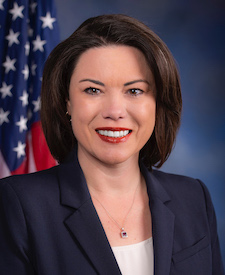
119th Congress Introduced by Angie Craig and 8 co-sponsors

Creates and funds educational pathways that connect learners with transportation careers through grants, partnerships, and program administration.

Referred to the Subcommittee on Highways and Transit.
0
WeVote Research Nonpartisan
Bill Summary · HR 7099

Overview

HR 7099, titled the PATH to Education Act, is a bill introduced in the 119th Congress and referred to the House Committee on Transportation and Infrastructure, with a subsequent referral to the Subcommittee on Highways and Transit. It has a bipartisan group of co-sponsors. The available information lists its sponsors and the basic procedural history but does not include the full text or a detailed statement of purpose. The summary below describes the bill based on typical structure for transportation-education related legislation and the limited details provided.

Purpose and intent

  • The bill appears to establish, modify, or fund programs related to transportation (likely focusing on pathways to education within the transportation sector or leveraging education initiatives to support transportation infrastructure goals). The exact aims (e.g., student training, apprenticeship pipelines, or funding for transportation-related education) are not specified in the provided materials.
  • Given the title “PATH to Education Act,” the legislation likely seeks to create or expand pathways—such as curricula, grants, scholarships, training programs, or partnerships—that connect educational opportunities to careers in transportation, infrastructure, or related industries.

Key provisions and changes (high-level, based on typical bill structure)

  • Establishment or expansion of educational pathways: The act may authorize federal programs or funding to develop education-to-work pathways in transportation, possibly including K-12, higher education, apprenticeships, or workforce development components.
  • Funding and grants: Potential provision for federal grants or appropriations to schools, colleges, vocational programs, or state DOTs to implement PATH programs.
  • Partnerships: Likely emphasis on collaboration among federal agencies, state governments, educational institutions, and transportation employers to create pipelines for skilled labor.
  • Reporting and accountability: Provisions may require progress reporting, performance metrics, and periodic evaluations to ensure funds are used effectively and to assess outcomes such as completion rates, credential attainment, or subsequent employment in transportation sectors.
  • Eligibility and administration: Criteria for who can receive funds (states, local governments, schools, nonprofit organizations, employers) and how programs are administered (grants, cooperative agreements, or appropriations).

Affected parties and stakeholders

  • Students and learners: Individuals seeking education or training in transportation-related fields who would benefit from PATH programs, scholarships, or internships.
  • Educational institutions: Colleges, universities, vocational schools, and K–12 systems that would administer PATH curricula or participate in partnerships.
  • Transportation sector employers and agencies: State departments of transportation, transit authorities, and private sector employers seeking skilled workers and apprentices.
  • State and local governments: Entities that may administer or co-administer funded programs and ensure alignment with local workforce development goals.
  • Taxpayers and federal program administrators: As with most federal education and workforce initiatives, there would be implications for federal budgetary outlays and oversight.

Procedural and timeline aspects

  • Introduction and referrals: HR 7099 was introduced in early 2026 and referred to the House Committee on Transportation and Infrastructure, followed by referral to the Subcommittee on Highways and Transit (on 2026-01-16).
  • Legislative process: The bill would need to pass the relevant committees, move to the full House for a vote, and, if passed, proceed to the Senate. If enacted, it would require signature or other emergency/constitutional processes to become law.
  • Implementation timeline: Any funding provisions would likely specify fiscal years (e.g., FY2026 onward) and outline phases for program rollout, with milestones such as grant cycles, performance reporting periods, and final evaluation deadlines.

Notes and considerations

  • The provided information does not include the bill’s full text, specific dollar amounts, program names, or exact statutory changes. For a precise understanding of benefits, eligibility, funding levels, and statutory amendments, the bill’s full language and official summary from the Congressional bill text and sponsor statements should be consulted.
  • The list of co-sponsors indicates bipartisan support and interest from diverse members, which could influence negotiation and passage dynamics.

If you’d like, I can locate the full text, official summary, and any available cost estimates or analysis to provide a more detailed, itemized breakdown of provisions and fiscal implications.

Compiled from official sources — confirm details with the bill’s official record.

Sign in to ask a question.