Summary of HR 946 - ORPHAN Cures Act
Overview
The ORPHAN Cures Act, officially titled the Optimizing Research Progress Hope And New Cures Act, was introduced in the House of Representatives on February 4, 2025. The bill aims to enhance research and development for treatments targeting rare diseases, often referred to as "orphan diseases."
Purpose and Intent
The primary goal of the ORPHAN Cures Act is to stimulate innovation and accelerate the development of therapies for conditions that affect a small percentage of the population. By optimizing research processes and providing support for orphan drug development, the bill seeks to improve patient outcomes and expand treatment options for individuals with rare diseases.
Key Provisions
While specific provisions of the bill have not been detailed in the introductory remarks, the following key areas are typically addressed in similar legislation:
Incentives for Research: The bill may propose financial incentives, such as tax credits or grants, to encourage pharmaceutical companies and researchers to invest in orphan drug development.
Streamlined Approval Processes: It is likely that the bill includes measures to expedite the regulatory review process for orphan drugs, allowing for faster access to new treatments for patients.
Collaboration and Funding: The legislation may promote partnerships between public and private sectors to enhance research capabilities and funding opportunities for orphan diseases.
Affected Parties
The ORPHAN Cures Act would primarily impact:
Patients with Rare Diseases: Individuals suffering from orphan diseases would benefit from increased research and potential new treatment options.
Pharmaceutical and Biotech Companies: Companies involved in drug development may receive incentives and support to focus on orphan drug research.
Healthcare Providers: Medical professionals may gain access to new therapies, improving their ability to treat patients with rare conditions.
Legislative Actions and Timeline
February 4, 2025: The bill was introduced in the House and referred to the Committee on Energy and Commerce and the Committee on Ways and Means for further consideration.
February 6, 2025: Sponsor introductory remarks were made regarding the measure.
The timeline for further legislative actions, including potential hearings or votes, will be determined by the Speaker of the House.
Sponsors
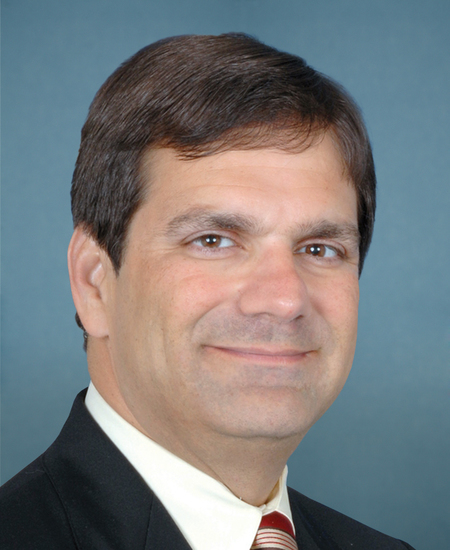
The bill is sponsored by John Joyce and has multiple cosponsors, including notable representatives such as:
- Lloyd Smucker
- Kevin Hern
- Richard Hudson
- Dina Titus
- Scott H. Peters
- Dan Crenshaw
- Josh Gottheimer
Related Legislation
The ORPHAN Cures Act has a companion bill, S 1862, which is being considered in the Senate. This indicates a bipartisan interest in addressing the challenges associated with orphan drug development.
This summary provides an overview of the ORPHAN Cures Act, outlining its purpose, key provisions, affected parties, and legislative status. As the bill progresses through Congress, further details will likely emerge regarding its specific provisions and impacts.