

WeVote

Bill

Bill

HRES 1080

Original Black History Month Resolution of 2026

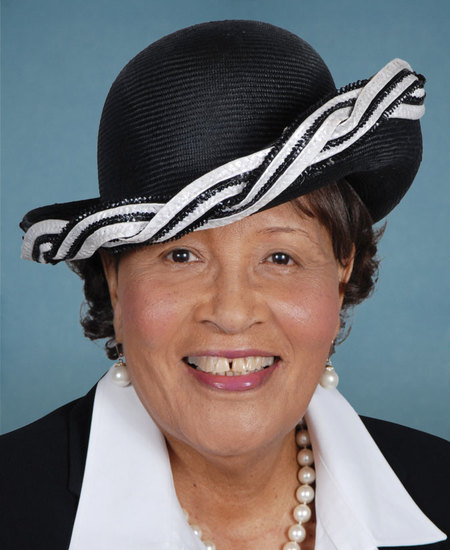
119th Congress Introduced by Alma Adams and 77 co-sponsors

Declares 2026 as Original Black History Month, honoring unsung Black figures, elevating education and culture, and reinforcing Black history as essential to justice and national id

Submitted in House
0
WeVote Research Nonpartisan
Bill Summary · HRES 1080

Summary of H.R. 1080 (119th Congress) – Original Black History Month Resolution of 2026

Overview

  • Status: Referred Feb 25, 2026 to the House Committee on Oversight and Government Reform; introduced in the House.
  • Short Title: Original Black History Month Resolution of 2026
  • Theme for Black History Month 2026: “A Century of Black History Commemorations”
  • Sponsor and Co-Sponsors: Lead sponsor Mr. Green (TX) with a large bipartisan group of co-sponsors (numerous Members across both parties and chambers listed as sponsors).

1) Purpose and Intent

  • The bill recognizes and celebrates the significance of Black History Month in 2026.
  • It emphasizes the theme “A Century of Black History Commemorations” to reflect on how Black history and life commemorations shape and transform the status of Black people in the United States and the broader diaspora.
  • The resolution seeks to elevate and spotlight Black history, including historically underrecognized figures and events, and to affirm the importance of continued Black history education and celebration.

2) Key Provisions and Changes Proposed

  • Formal Recognition: Declares the occasion as the “Original Black History Month Resolution of 2026.”
  • Honor Unsung Souls and Righteous Intercessors: The resolution explicitly honors Black women and men of African ancestry whose historical accomplishments have not been widely celebrated, terming them “unsung souls,” and acknowledges others who acted as “righteous intercessors.”
  • Educational and Cultural Emphasis: Affirms the role of scholars, institutions, and cultural sites in researching, preserving, and sharing Black history. Highlights the organizational achievements of scholars and institutions (e.g., Association for the Study of African American Life and History; predecessor efforts of Negro History Week).
  • Historical Examples and Personalities: The resolution references a broad set of historical figures and events (e.g., Woodson, Brown, Colvin, Johnson, Du Bois, Hurston, Schomburg, Bethune, Williams, and others) and milestones (Watch Night, Emancipation, Juneteenth, civil rights court decisions, the Montgomery Bus Boycott, Voting Rights Act) to illustrate the ongoing legacy and impact of Black history.
  • National Significance of Institutions: Notes the role of national monuments and museums (e.g., National Museum of African American History and Culture, Martin Luther King Jr. Memorial, African Burial Ground National Monument) in commemorations.
  • Counter-Narrative Purpose: Describes Black history commemorations as essential to counter narratives that whitewash or minimize Black contributions and to oppose efforts to diminish Black history (including contemporary references to political actions perceived as attempts to erase or sanitize Black history).
  • Educational and Civic Impact: Encourages ongoing Black history celebrations to raise awareness of Black Americans’ contributions and to advance the ideals of liberty, equality, justice, and freedom.

3) Who and What Are Affected

  • Public Awareness and Education: Aims to influence public recognition and education about Black history within the United States, including schools, museums, libraries, and cultural institutions.
  • National Narrative: Seeks to shape and broaden the national narrative surrounding Black history by elevating unsung figures and events.
  • Diverse Audiences: Addresses both domestic audiences and the African diaspora, emphasizing cross-border commemorations and shared history.
  • Policy/Administration Posture: Serves as a symbolic, nondirective resolution expressing Congress’s stance on the importance of Black history, rather than creating new statutory mandates or funding.

4) Procedural and Timeline Aspects

  • Introduction Date: February 25, 2026.
  • Committee Action: Referred to the House Committee on Oversight and Government Reform. No further legislative actions (as of the provided text) indicating passage, amendment, or floor vote.
  • Effective/Enforceable Provisions: Being a congressional resolution, it primarily carries ceremonial and educational encouragement effects rather than enforceable policy or budgetary implications.

5) Notable Provisions and Details

  • Emphasizes the historical origins of Black History Month (Abraham Lincoln and Frederick Douglass birthdays; Woodson’s work) and the evolution from Negro History Week to the current Black History Month.
  • Highlights the contributions of African American scholars, civil rights advocates, jurists, and activists who advanced equality and dismantled segregation.
  • Connects Black history commemorations to broader themes of justice, civil rights, and national identity, and frames these commemorations as integral to America’s 250th year of independence.

If you’d like, I can extract a concise one-page briefing or create a side-by-side comparison with related Black History Month resolutions for context.

Compiled from official sources — confirm details with the bill’s official record.

Sign in to ask a question.