

WeVote

Bill

Bill

S 4857

Open Meetings Act of 2026

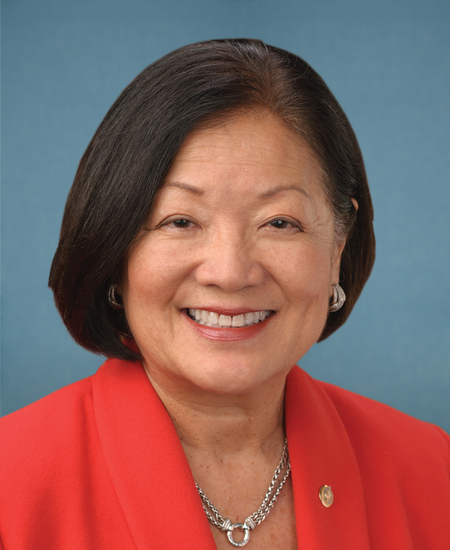
119th Congress Introduced by Mazie Hirono

The bill requires advance notices with agendas, live public audio streams, and accessible post-meeting archives for covered Judicial Conference meetings to boost transparency.

Introduced in Senate
0
WeVote Research Nonpartisan
Bill Summary · S 4857

Summary of Bill: S.4857 (Open Meetings Act of 2026)

Purpose

  • To amend Chapter 15 of Title 28, United States Code, by establishing documentation and transparency requirements for meetings of certain conferences and councils (referred to as “covered meetings”) within the Judicial Conference.

Key Provisions

  • Definition

    • Creates a new section, § 336, defining what constitutes a “covered meeting” (a meeting of a conference or council undertaken pursuant to Chapter 15).
  • Notice Requirements

    • The Judicial Conference must publish notice of a covered meeting on its internet site no later than 30 days before the meeting.
    • Required details in the notice include date, time, place, and agenda.
    • An exception allows the Judicial Conference to waive the notice requirement for good cause.
    • If the notice is waived, the Judicial Conference must publish an explanation on its website.
  • Audio Streaming and Archiving

    • Each covered meeting must provide live audio streaming accessible to the public at no charge and without the need for registration.
    • The Judicial Conference must maintain an archive of every live audio stream.
    • The archive of the audio stream must be published on the Judicial Conference website within 7 days after the meeting, accessible to the public without charge or registration.
  • Closed Sessions and Exceptions

    • During a covered meeting, the conference or council may resolve into a closed session if publication of the matter at issue is prohibited by law.
    • Alternatively, by a majority vote, they may resolve into a closed session for consideration of a sensitive or confidential matter.
    • Before closing a session under the second exception, the conference or council must state the reason for the closed session.
  • Procedural Changes

    • The bill adds a new section to the table of sections in Chapter 15, labeling it as § 336: “Documentation requirement for meeting of certain conferences and councils.”

Who Is Affected

  • The Judicial Conference and the conferences and councils operating under Chapter 15 of Title 28.
  • Members of the public and other stakeholders who seek access to meetings and records, given the new notice, streaming, and archival requirements.

Timeline and Procedural Details

  • Introduction and Referral

    • Introduced in the Senate on June 23, 2026 by Senator Mazie Hirono (co-sponsor).
    • Referred to the Senate Committee on the Judiciary.
  • Effective Dates

    • The bill specifies requirements to be implemented for “covered meetings,” with notice and streaming obligations to occur in advance of those meetings (no later than 30 days before a covered meeting; archival publication within 7 days after).

Potential Impact

  • Transparency and Public Access
    • Increases transparency for judicial conference activities by mandating advance notice, live public audio, and post-meeting audio archives.
  • Public Accountability
    • Enables public observation of agenda items and deliberations, including the ability to review proceedings through archived recordings.
  • Operational Considerations
    • May require additional staff and resources for timely notice publication, live streaming infrastructure, and archiving operations.
  • Privacy and Security
    • The option to close sessions for legally prohibited or sensitive matters is retained, with required justification statements for closed sessions.

Summary

S.4857, the Open Meetings Act of 2026, would require the Judicial Conference to publish advance notices (with agenda) for covered meetings, provide live public audio streams, and maintain accessible archives of these streams. It also codifies conditions under which meetings may be closed and requires disclosures when a notice for a meeting is waived. The bill aims to increase transparency and public accessibility to the proceedings of the Judicial Conference and its conferences and councils.

Compiled from official sources — confirm details with the bill’s official record.

Sign in to ask a question.