

WeVote

Bill

Bill

SF 2600

One-half of an agency's advertising expenses paid to local news organizations requirement provision

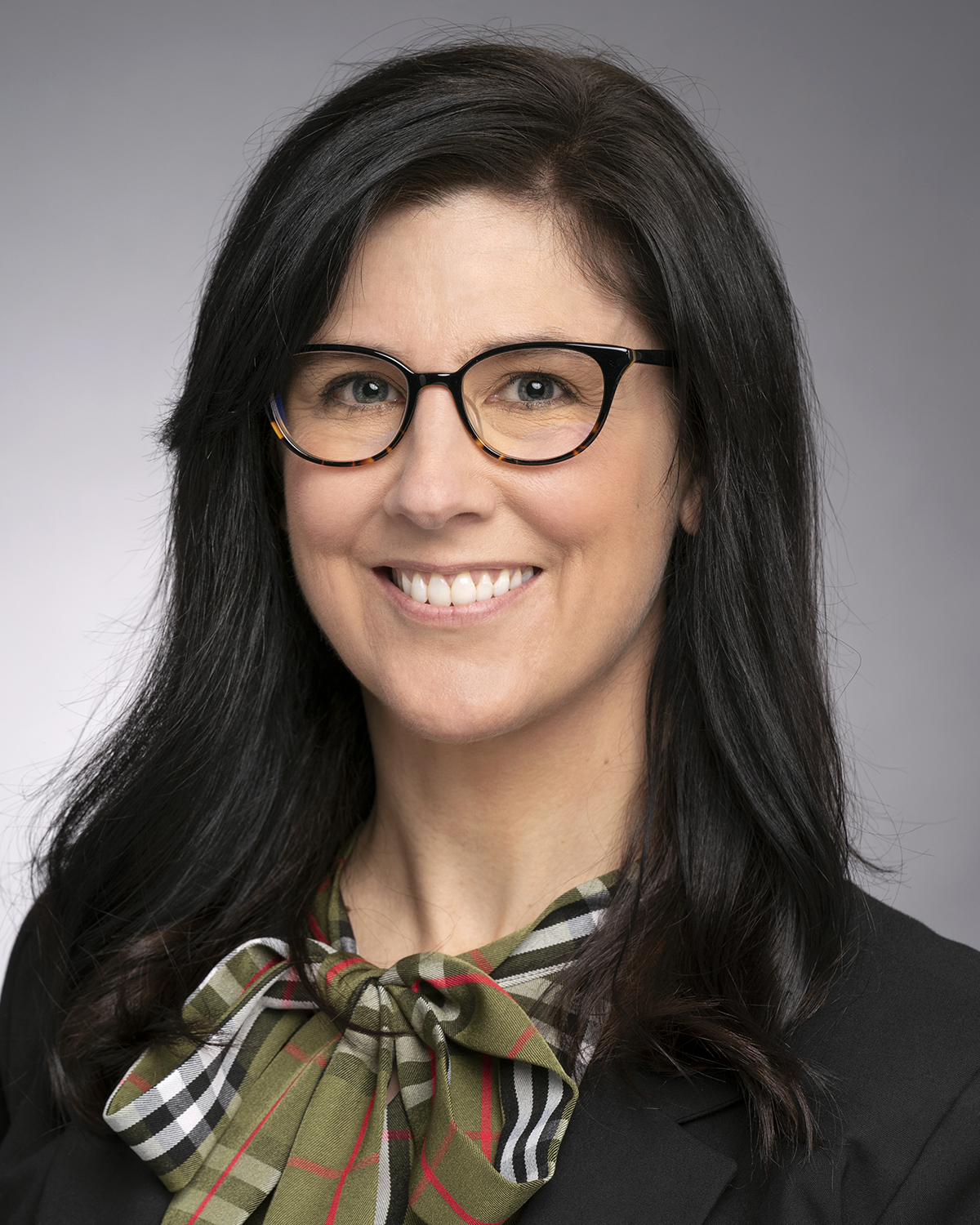
2025-2026 Regular Session Introduced by Heather Gustafson and 2 co-sponsors

Minnesota bill requires state agencies to spend at least 50% of advertising budgets with local news organizations to support struggling regional media outlets.

Author added Gustafson
0
WeVote Research Nonpartisan
Bill Summary · SF 2600

Legislative bill overview

SF 2600 requires Minnesota state agencies to allocate at least 50% of their advertising budgets to local news organizations. The bill mandates that when agencies purchase advertising, half of those expenditures must go to newspapers, radio stations, television outlets, and other locally-based media rather than larger regional or national platforms.

Why is this important

Local news organizations have faced significant financial pressures over the past two decades as advertising revenue has migrated to digital platforms. By directing state advertising dollars to local outlets, this bill could provide meaningful revenue to struggling newsrooms while potentially improving government transparency at the community level. This represents a policy choice to use state purchasing power to influence media market dynamics.

Potential points of contention

  • Definitional challenges: Determining what qualifies as a "local" news organization is complex—does it include digital-only outlets, non-profits, or community papers? Ambiguous definitions could create implementation disputes.
  • Market efficiency concerns: Mandating spending patterns may conflict with agencies' ability to reach target audiences cost-effectively or obtain competitive pricing, potentially wasting taxpayer money.
  • First Amendment questions: Critics may argue the government shouldn't direct purchasing to favor certain media outlets or business models, raising concerns about government influence over press independence.
  • Scope and practicality: Smaller agencies with limited advertising budgets may struggle to comply, and some may have no relevant local outlets in their service areas.

Compiled from official sources — confirm details with the bill’s official record.

Sign in to ask a question.