

WeVote

Bill

Bill

HR 9947

Offshore Oil and Gas Worker Whistleblower Protection Act

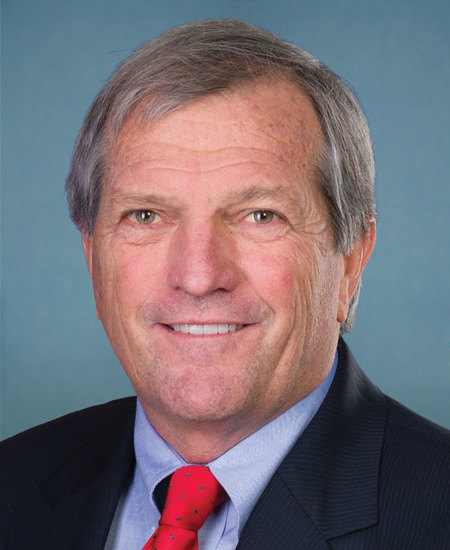
119th Congress Introduced by Mark DeSaulnier

Protect offshore workers who report violations or safety concerns from discharge or retaliation and provide a formal process for relief, reinstatement, and damages.

Introduced in House
0
WeVote Research Nonpartisan
Bill Summary · HR 9947

Overview

  • Bill: H.R. 9947 — Offshore Oil and Gas Worker Whistleblower Protection Act
  • Session: 119th Congress, 2nd Session
  • Purpose: Provide whistleblower protections to certain workers in the offshore oil and gas industry for reporting violations and safety concerns related to the Outer Continental Shelf (OCS) activities.

Main purpose and intent

  • Ensure protection from discharge or discrimination for workers who report violations, participate in related proceedings, or object to unsafe or unlawful practices connected to offshore oil and gas activities.
  • Create a formal process for filing, investigating, and remedying retaliation claims, with enforcement options including administrative relief, court actions, and potential damages.

Key provisions and changes

  • Prohibited retaliation (Section 2(a)):
    • Employers may not discharge or discriminate against a covered employee for:
    • Providing or reporting information about alleged violations of the Outer Continental Shelf Lands Act (OCSLA) or related orders/regulations.
    • Testifying or preparing to testify in proceedings related to such violations.
    • Assisting or participating in proceedings.
    • Testifying before Congress on matters under OCSLA.
    • Objecting to or refusing participation in activities believed to violate OCSLA or related directives.
    • Reporting illnesses, injuries, unsafe conditions, or concerns about oil spill response plans.
    • Refusing to perform duties or stop-work activities if there is a reasonable belief of danger to health or an environmental risk (including oil spills).
  • Complaint process and investigation (Section 2(b)):
    • Filing window: A covered employee may file a complaint within 180 days of the alleged violation or when they reasonably should have known of it.
    • Secretary of Labor must notify the employer(s) and provide opportunities for response and for the complainant to present witnesses and review evidence.
    • If reasonable cause is found, the Secretary issues a preliminary order with potential relief and provides for an appeal/hearing, with expedited processes.
    • Dismissal standards include requiring a prima facie showing that the listed protective actions were a contributing factor; employers can prevail if they show the same adverse action would have occurred regardless.
  • Relief and enforcement (Section 2(b)(3) and (4)):
    • Orders may require remedies such as reinstatement with back pay (including double back pay and prejudgment interest), expungement of records, damages, and costs.
    • Attorney fees may be awarded to the complainant if relief is granted.
    • Administrative and court reviews: Administrative appeals to a Secretary-designated reviewer or final agency action; potential federal court actions for de novo review if no final decision within 330 days.
    • If the employer does not comply with an order, the Secretary may seek civil relief in federal court; complainant may also sue to obtain compliance.
  • Interplay with other laws (Section 3):
    • The act does not preempt or diminish other protections under federal or state law.
    • Rights and remedies are not diminished or waived by arbitration agreements or employer policies.
  • Administrative and procedural provisions (Section 2(b)(5)-(7)):
    • Postings, training, and information: Employers must post a notice and provide training for covered employees; provide a toll-free number for the Department of Labor.
    • Designation of the appropriate agency officials to handle complaints within 30 days of enactment.
  • Definitions (Section 3):
    • “Covered employee”: Individuals performing services for an employer in offshore activities on or above the OCS related to oil/gas exploration, development, production, transport, oil spill cleanup, emergency response, environmental surveillance, protection, or restoration.
    • “Employer”: Any entity or its agents/contractors involved in offshore activities.
    • “Outer Continental Shelf”: As defined by the OCS Lands Act.

Who would be affected

  • Covered employees working in or around offshore oil and gas operations (including those involved in exploration, production, processing, transportation, spill response, and safety-related activities).
  • Employers and contractors involved in OCS activities, including sub-contractors and grantees.
  • Federal and State government agencies implementing the whistleblower program through the Department of Labor.

Procedural and timeline aspects

  • Filing deadline: 180 days from the alleged violation or when knowledge of it reasonably should have occurred.
  • Investigation timeline: Secretary must initiate an investigation within 90 days of complaint receipt.
  • Order timeline: Administrative law judge to issue findings and relief within specified 90-day windows after hearing requests.
  • Appeals: 30-day window to file objections; potential expedited administrative review; final agency action within 90 days after appeal.
  • Court actions: If no final decision within 330 days, complainant may file a de novo action in federal district court.
  • Post-enactment actions: Secretary to designate enforcing agency officials within 30 days of enactment; employers to post notices and begin training within specified timelines.

Practical impact

  • Provides a structured federal remedy for retaliation against offshore workers who report violations or safety concerns, participate in investigations, or exercise rights under OCSLA.
  • Establishes notice, training, and whistleblower hotlines to support workers in understanding and exercising protections.
  • Creates a potential pathway to reinstatement, back pay, damages, and attorney fees, with both administrative and judicial enforcement options.

Note: This summary focuses on the substantive provisions and potential implications based on the bill text as introduced.

Compiled from official sources — confirm details with the bill’s official record.

Sign in to ask a question.