

WeVote

Bill

Bill

SF 663

Offense of unintentional murder in the second degree amendment to include cases involving the violation of protective orders issued in certain additional jurisdictions

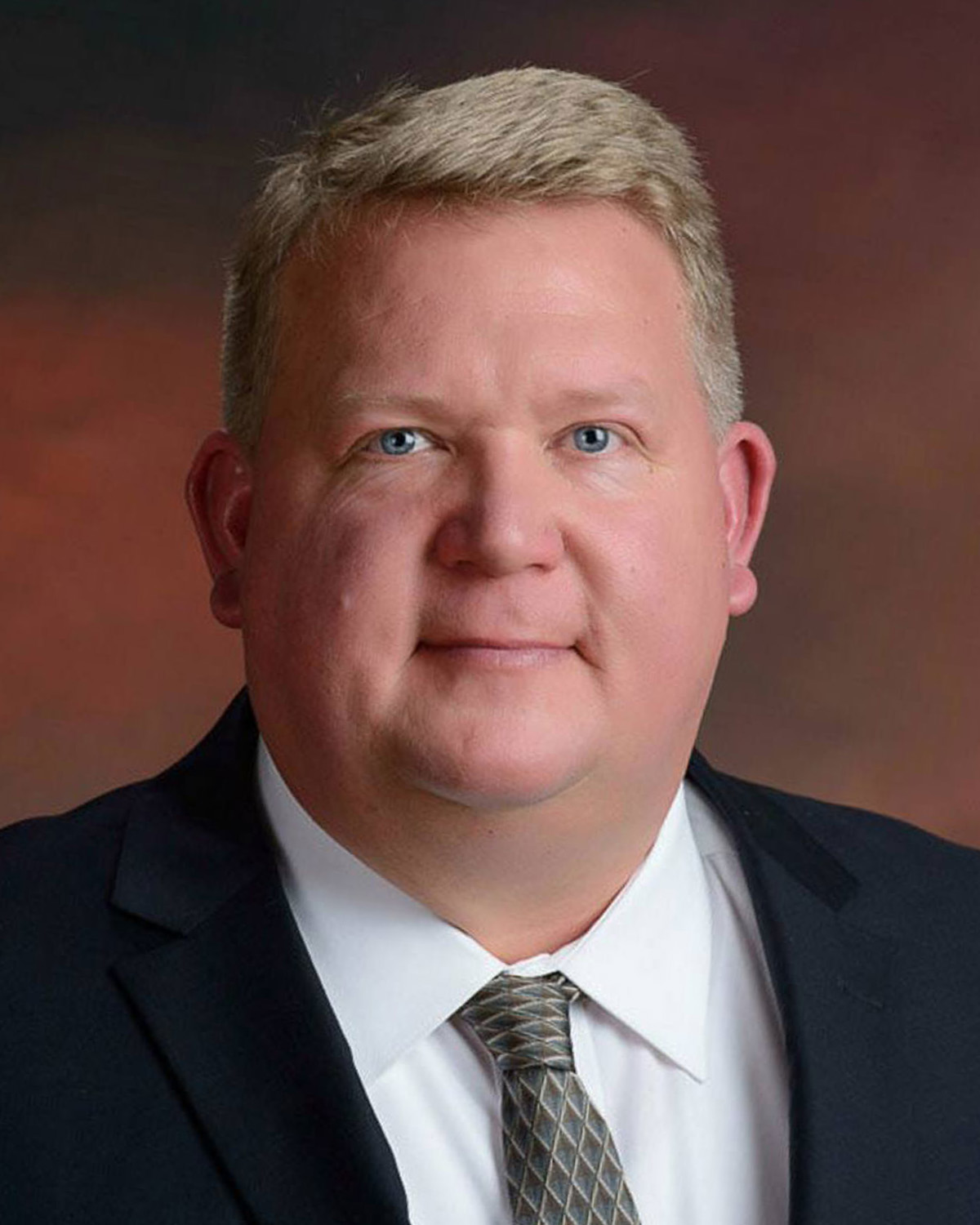
2025-2026 Regular Session Introduced by Rich Draheim and 2 co-sponsors

Minnesota bill expands second-degree murder charges to include deaths resulting from violations of protective orders issued by additional jurisdictions beyond Minnesota courts.

Author added Latz
0
WeVote Research Nonpartisan
Bill Summary · SF 663

Legislative bill overview

SF 663 amends Minnesota's second-degree unintentional murder statute to include cases where someone violates a protective order issued by certain additional jurisdictions. Currently, the law covers violations of protective orders from Minnesota courts, but this bill expands it to recognize protective orders from other jurisdictions, making violations that result in death prosecutable as second-degree murder.

Why is this important

Protective orders (restraining orders, orders for protection) are critical safety tools for victims of domestic violence and harassment. This expansion closes a potential legal gap where someone could violate an out-of-state or out-of-jurisdiction protective order and face reduced charges if a death resulted. Strengthening consequences for violating protective orders may deter violations and better protect vulnerable populations across state lines.

Potential points of contention

  • Interstate enforcement complexity: Determining which out-of-state protective orders qualify and ensuring they meet Minnesota's standards could create legal challenges and jurisdictional disputes.
  • Sentencing disparities: Expanding murder charges based on protective order violations might create inconsistent outcomes depending on where orders originate, potentially affecting defendants differently based on geography.
  • Scope definition: The bill references "certain additional jurisdictions" without fully specifying which jurisdictions qualify, leaving implementation details unclear and potentially subject to judicial interpretation.

Compiled from official sources — confirm details with the bill’s official record.

Sign in to ask a question.