

WeVote

Bill

Bill

SF 5022

Obstructing legal process crime expansion

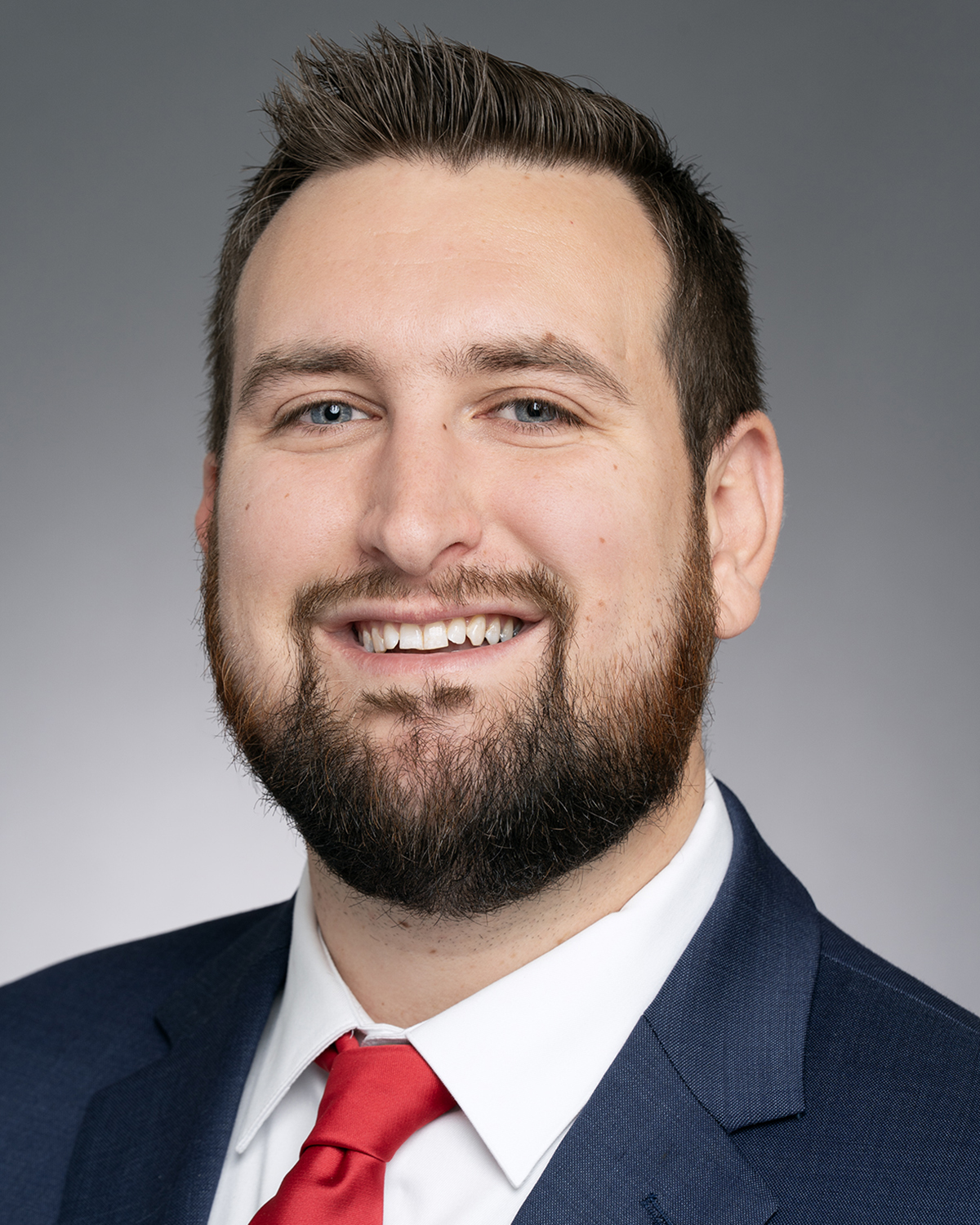
2025-2026 Regular Session Introduced by Mike Holmstrom and 4 co-sponsors

Expands penalties and adds new enforcement tools for obstructing law enforcement, while enabling sheriff cooperation with federal immigration authorities and limiting sanctuary-sty

Referred to Judiciary and Public Safety
0
WeVote Research Nonpartisan
Bill Summary · SF 5022

Summary of SF 5022 (2025-2026) – Obstructing legal process crime expansion

This summary outlines the main purpose, key provisions, affected parties, and procedural/timeline aspects of SF 5022, introduced in the Minnesota Legislature during the 94th Legislature (2025-2026).

Purpose and intent

  • Expand and strengthen the law related to obstructing legal processes and interacting with immigration enforcement.
  • Increase penalties and define new mechanisms to cooperate with federal immigration authorities.
  • Prohibit local government policies that limit cooperation with federal immigration officials.
  • Create labeling and procedural provisions to address alien inmates and detention related to immigration status.

Key provisions and changes

1) Expanded authority for sheriffs to cooperate with federal immigration enforcement

  • Amends Minnesota Statutes § 471.59, subd. 8 to add a new provision allowing county sheriffs to enter into agreements with federal agencies under 8 U.S.C. § 1357(g) to perform services or functions that the federal agency is authorized to provide.
  • Important detail: A sheriff would not need county board authorization to enter into such an agreement with the federal agency.

2) Separation ordinances—prohibition on local limitations on immigration enforcement

  • Adds a new section, [471.9999] — SEPARATION ORDINANCES.
  • Subd. 1 defines “municipality” as a city (however organized) or a county.
  • Subd. 2 prohibits municipalities from adopting or enforcing ordinances/policies that prohibit or materially limit enforcement of immigration laws.
  • Prohibited policies include:
    • Limiting or prohibiting an employee or agent of a municipality from communicating or cooperating with federal agencies to verify or report immigration status.
    • Limiting or prohibiting an employee or agent from soliciting or inquiring about a person’s immigration status in the course of duties.
  • Any policy or ordinance violating this section is invalid and has no force or effect as of the date of adoption.

3) Expansion of “obstructing” and related offenses (Obstructing legal process)

  • Amends Minn. Stat. § 609.50, subd. 1 to include expanded scenarios of obstruction and interference:
    • Obstructing, hindering, or preventing the lawful execution of any legal process (civil or criminal) or apprehension.
    • Obstructing or interfering with a peace officer during official duties.
    • Interfering with a firefighter during official duties.
    • Interfering with or obstructing emergency medical personnel.
    • Interfering with certain state employees (e.g., Department of Revenue, Driver and Vehicle Services, or deputy registrar) while performing official duties, to deter or interfere with duties.
  • Adds new Subd. 2 to § 609.50:
    • Creates a crime for approaching or remaining within 25 feet of a peace officer under specific conditions (e.g., officer is actively engaged in an arrest, transportation of an arrestee, crowd control, or investigation) after a verbal warning has been given, with intent to impede the officer.
  • Effective date: This subsection (609.50 Subd. 2) is effective August 1, 2026, and applies to crimes committed on or after that date.
  • Adds Subd. 3 to § 609.50 (definition of “peace officer” for the new provisions):
    • Expands the definition to include federal law enforcement officers as defined in Minnesota law.
  • Effective date: Subd. 3 is also effective August 1, 2026, for crimes committed on or after that date.

4) Alien inmates and notification to U.S. Immigration Officers

  • Amends Minn. Stat. § 631.50:
    • Subsection (a): When a felon is committed to a state or county facility, the chief executive or officer in charge must inquire into the person’s nationality and, if an alien, notify the U.S. immigration officer with details including the date of commitment, duration, country of citizenship, and entry information.
    • Subsection (b): If acting under a 8 U.S.C. § 1357(g) agreement, a sheriff shall detain and hold a person who is the subject of a valid immigration detainer for up to 48 hours (excluding weekends/holidays) from when they would otherwise be released, independent of holding for a state criminal charge or conviction.
  • Effective date: The immigration-detainer-related provisions take effect the day after final enactment.

Affected parties and implications

  • State and local governments:
    • Counties and sheriffs gain explicit authority to contract with federal immigration agencies; potential impact on cooperation with federal immigration enforcement.
    • Municipalities and counties are restricted from enacting policies that shield individuals from immigration enforcement efforts; local ordinances that impede cooperation could be invalidated.
  • Law enforcement personnel:
    • Expanded definitions of “peace officer” to include certain federal officers for purposes of enforcement provisions.
    • New proximity-based obstruction offense near peace officers (within 25 feet) with an added crime after a verbal warning.
  • Inmates and detainees:
    • For felons or mentally ill individuals, heightened procedures to determine nationality and potential immigration-status reporting.
    • Detention under immigration detainer provisions for up to 48 hours in certain circumstances.

Procedural and timeline details

  • Effective dates:
    • Provisions expanding obstruction near peace officers and the new definition of “peace officer” become effective August 1, 2026, for crimes committed on or after that date.
    • The alien-inmate notification and 48-hour detention provisions become effective the day after final enactment.
  • Legislative status:
    • Introduced and referred to Judiciary and Public Safety (April 9, 2026).
    • Co-sponsors listed (Michael Kreun, Mike Holmstrom, Andrew Mathews, Bill Weber, Paul Utke).

Summary assessment

SF 5022 broadens criminal penalties and procedures related to obstructing law enforcement and interacting with immigration enforcement. It authorizes direct federal cooperation by sheriffs, restricts local “sanctuary-like” policies, creates a new proximity-based obstruction offense near officers, and strengthens notification/detention provisions regarding aliens in custody. The bill balances local flexibility with federal cooperation mechanisms, while introducing effective dates that stagger implementation.

Compiled from official sources — confirm details with the bill’s official record.

Sign in to ask a question.