

WeVote

Bill

Bill

SB 1527

NUCLEAR MORATORIUM REPEAL

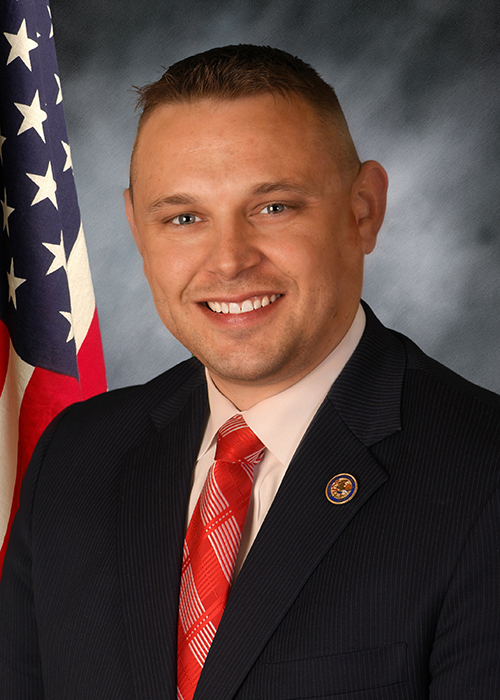
104th Regular Session Introduced by Neil Anderson and 27 co-sponsors

Illinois lifts the 300 MW+ nuclear moratorium, allowing large reactor projects to pursue state CPCN approval and siting in Illinois.

0
WeVote Research Nonpartisan
Bill Summary · SB 1527

Summary — SB 1527 (Illinois) — "Nuclear Moratorium Repeal"

Status: Enacted as Public Act 25‑110 (2025 session). Primary sponsor: Sen. Sue Rezin. Multiple cosponsors including Sen. Jason Plummer. Companion: HB 1416.

Main purpose

SB 1527 removes a state-level moratorium in the Illinois Public Utilities Act that previously prohibited construction of new nuclear power reactors with a nameplate capacity greater than 300 megawatts within Illinois until the Illinois Emergency Management Agency (IEMA) and the Office of Homeland Security concluded that the U.S. Government had identified and approved a demonstrable federal technology or means for disposal of high‑level nuclear waste.

In short: the bill repeals the statutory condition that blocked siting new, large nuclear reactors in Illinois pending a federally approved high‑level nuclear waste disposal solution.

Key provisions / legal change

  • Amends Section 8‑406 of the Illinois Public Utilities Act by removing the prohibition on beginning construction of any new nuclear reactor >300 MW in Illinois that had been tied to a federal high‑level nuclear waste disposal determination.
  • Leaves intact the general certificate-of‑public‑convenience‑and‑necessity (CPCN) framework: utilities must still obtain Commission approval for new generation or major construction, and the Commission must find that proposed construction is necessary, promotes public convenience, provides adequate/reliable service, is least‑cost or otherwise meets statutory criteria.
  • Does not alter federal licensing or Nuclear Regulatory Commission (NRC) requirements, nor does it create federal waste‑disposal obligations — it only removes the Illinois statutory barrier to siting large reactors before a federal disposal solution is identified.

Who is affected

  • Electric utilities and independent power developers: could now apply for state approvals and pursue construction of large nuclear reactors in Illinois.
  • Illinois Commerce Commission (ICC): will continue to review CPCN applications for new nuclear projects under existing statutory criteria.
  • Ratepayers and electricity consumers: potential impacts on rates, supply mix and long‑term procurement depending on project financing and Commission decisions.
  • Local governments, communities near proposed sites, environmental and public‑safety stakeholders: will be involved through the ICC review/hearing process and may be affected by siting and operations.
  • State emergency and homeland security agencies: although the previous finding requirement is removed, these agencies remain relevant for safety and emergency planning coordination.

Practical and policy implications

  • Enables pursuit of new, large nuclear generation projects in Illinois even though no federally approved permanent disposal method for high‑level waste may exist.
  • Projects remain subject to comprehensive state review (CPCN), environmental review, financing and NRC licensing — repeal only removes one specific statutory precondition.
  • Could accelerate investor interest and planning for large‑scale nuclear investment in the state, but also raises policy questions about long‑term waste management, emergency preparedness, and cost/risk allocation that stakeholders and regulators will need to address in the permitting process.

Timeline / procedural notes

  • Advanced through the Illinois Legislature in spring 2025 and enacted as Public Act 25‑110 (2025). After enactment, utilities may include nuclear proposals in CPCN filings under existing ICC procedures; any proposed projects will still require public hearings, Commission findings, and federal NRC licensing.

Compiled from official sources — confirm details with the bill’s official record.

Sign in to ask a question.