

WeVote

Bill

Bill

SF 107

Noncompete agreements prohibited.

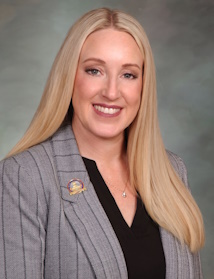
2025 Regular Session Introduced by Abby Angelos and 8 co-sponsors

Prohibits non-therapeutic cat declawing unless done by a licensed vet for a therapeutic purpose, with escalating civil penalties and local enforcement.

Assigned Chapter Number 170
0
WeVote Research Nonpartisan
Bill Summary · SF 107

Summary of SF 107 (Declawing of Cats)

Purpose and scope

SF 107 proposes to prohibit the declawing of cats unless the procedure is performed by a licensed veterinarian for a therapeutic purpose. The bill creates a new Code chapter (169B) to govern this prohibition and related enforcement. The goal is to restrict non-therapeutic surgical declawing and establish civil penalties for violations.

Key provisions

  • Prohibition: A person may not declaw a cat unless the procedure is performed by a licensed veterinarian for a therapeutic purpose (as defined under the bill’s new Code chapter 169B).
  • New Code chapter: Establishes the framework for the prohibition and related definitions and processes.
  • Civil penalties for violations:
    • First violation: $500
    • Second violation within two years: $1,500
    • Third or subsequent violation within five years: $2,500
  • Enforcement and proceeds:
    • Violations are classified as scheduled violations (civil penalties, not criminal charges).
    • The civil penalty collected is deposited into the general fund of the county, city, or state, depending on the enforcement officer’s jurisdiction.

Affected parties

  • Cat owners who may seek non-therapeutic declawing services.
  • Licensed veterinarians and veterinary clinics (the bill allows declawing only when performed for a therapeutic purpose by a licensed veterinarian).
  • Enforcement agencies and offices (the bill references penalties and jurisdiction-based enforcement).

Procedural and timeline aspects

  • Introduced: January 22, 2025.
  • Legislative actions:
    • Referred to Agriculture (2025-01-22).
    • Subcommittee action: January 27, 2025 (Zumbach, Bennett, and Driscoll).
  • Status: Subcommittee considered the bill; further committee action would follow typical legislative steps (public hearings, potential amendments, and floor votes) if the bill advances.
  • Sponsor: Donahue (primary).

Potential impacts and considerations

  • The bill would likely reduce or eliminate non-therapeutic declawing practices in jurisdictions where it is enacted, by imposing civil penalties and requiring veterinary involvement for any declawing.
  • By treating violations as scheduled civil offenses and directing penalties to the appropriate general fund, the bill ties enforcement outcomes to local or state fiscal administration.
  • The definition of “therapeutic purpose” and any exemptions or medical considerations are not detailed in the provided text; those definitions will materially affect the bill’s application.

This summary reflects the bill’s text and stated provisions as introduced and current subcommittee status.

Compiled from official sources — confirm details with the bill’s official record.

Sign in to ask a question.