

WeVote

Bill

Bill

SB 499

Non-Profit Athletics Act

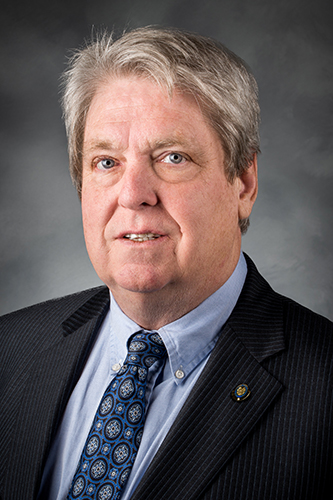
2025 Regular Session Introduced by Mike Woelfel

SB 499 allows local agencies to collect residential development fees after occupancy, improving cash flow for infrastructure while deferring costs for developers.

To Education
0
WeVote Research Nonpartisan
Bill Summary · SB 499

Summary of SB 499: Residential Projects - Fees and Charges

Bill Number: SB 499
Introduced: February 19, 2025
Status: Chaptered by Secretary of State. Chapter 543, Statutes of 2025.
Author: Senator Stern
Subject: Residential Projects, Fees and Charges

Purpose and Intent

SB 499 aims to amend existing laws regarding the imposition of fees and charges by local agencies on residential development projects. The bill seeks to clarify the timing and conditions under which these fees can be collected, particularly in relation to public improvements and utility services. The intent is to streamline the development process while ensuring that local agencies can adequately fund necessary infrastructure improvements.

Key Provisions

  1. Timing of Fee Collection:

    • Local agencies are prohibited from requiring payment of fees or charges for public improvements until the issuance of the first certificate of occupancy or temporary certificate of occupancy, whichever comes first.
    • Utility service fees related to connections can be collected at the time an application for service is received, provided these fees do not exceed the costs incurred by the utility provider.
  2. Early Fee Collection Conditions:

    • Local agencies may collect fees earlier if:
      • The fees are for public improvements with an established account and approved construction schedule.
      • The fees are to reimburse the agency for prior expenditures.
    • This provision does not apply to units reserved for lower-income households (where at least 49% of the units are designated for such occupancy).
  3. Consistency with Existing Laws:

    • Fees for water and sewer connections must not exceed the estimated reasonable costs for providing the service.
    • The bill specifies that public improvements related to fire, public safety, and emergency services can include parkland and recreational facilities identified in local safety or hazard mitigation plans.
  4. Pro Rata Payment Options:

    • For developments with multiple dwellings, local agencies can determine whether fees are paid on a pro rata basis for each dwelling or as a lump sum when the first dwelling receives its certificate of occupancy.

Impact

  • Local Agencies: The bill provides local agencies with clearer guidelines on fee collection, potentially improving cash flow for public infrastructure projects.
  • Developers: Developers may benefit from deferred fee payments, allowing for better cash management during the construction phase.
  • Residents: The inclusion of parkland and recreational facilities in the definition of public improvements may enhance community amenities associated with new residential developments.

Procedural Aspects

  • The bill was approved by the Governor on October 10, 2025, and has been chaptered into law as Chapter 543 of the Statutes of 2025.
  • It underwent several amendments and discussions in both the Senate and Assembly before final approval, reflecting a collaborative legislative process.

This summary provides an overview of SB 499, highlighting its purpose, key provisions, and potential impacts on local agencies, developers, and residents in California.

Compiled from official sources — confirm details with the bill’s official record.

Sign in to ask a question.