

WeVote

Bill

Bill

HB 1416

Non-opioid treatment; terms; preferred drug lists; discretion; drug treatment; United States Food and Drug Administration; coverage; non-opioid drugs; reimbursement; effective date.

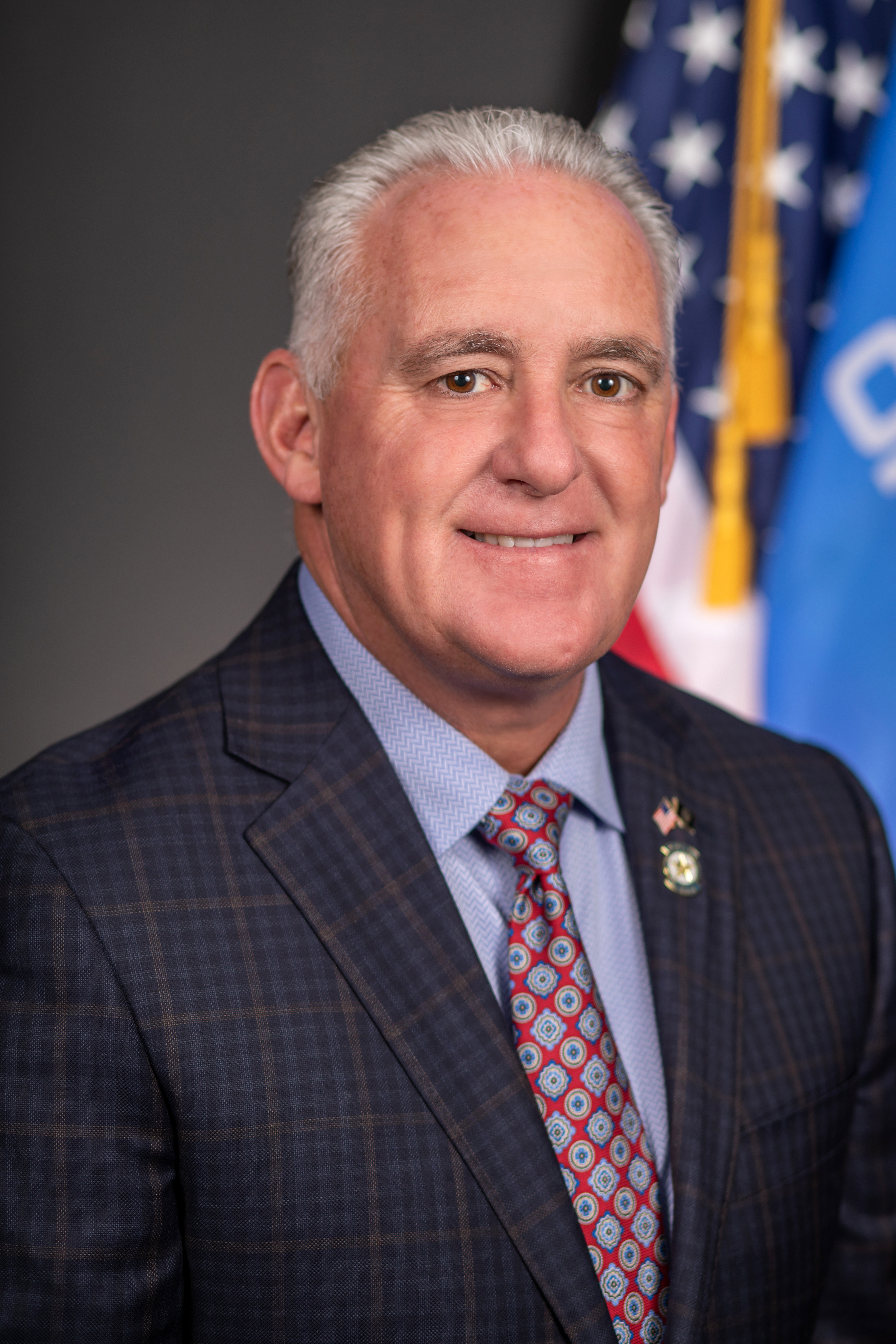
2026 Regular Session Introduced by Paul Rosino and 1 co-sponsor

Oklahoma bill requiring insurance coverage of FDA-approved non-opioid pain treatments to reduce opioid dependency while managing formulary restrictions and reimbursement rates.

Second Reading referred to Health and Human Services Committee then to Appropriations Committee
0
WeVote Research Nonpartisan
Bill Summary · HB 1416

Legislative bill overview

HB 1416 appears to mandate coverage and reimbursement for FDA-approved non-opioid pain treatment alternatives, while limiting insurance formulary restrictions (preferred drug lists) that might otherwise exclude these medications. The bill grants discretion to healthcare providers and payers regarding which non-opioid drugs to cover, though specific language details are not fully available in the legislative record provided.

Why is this important

This bill addresses the ongoing opioid crisis by incentivizing or requiring access to alternative pain management options. Given Oklahoma's historically high opioid mortality rates, expanding access to non-opioid treatments could reduce prescription opioid dependency and overdose deaths while potentially lowering long-term healthcare costs associated with opioid addiction treatment.

Potential points of contention

  • Insurance cost implications: Requiring coverage of non-opioid alternatives may increase health insurance premiums or state Medicaid costs if these drugs are expensive or more costly than traditional opioid treatments
  • Clinical efficacy questions: Not all non-opioid treatments work equally for all pain conditions; mandating coverage could lead to prescribing medications that are less effective for specific patient populations
  • "Discretion" ambiguity: The bill's language about discretion is unclear—whether it grants discretion to insurers (to deny coverage) or to doctors (to prescribe freely) fundamentally changes its impact on patient access and will likely face disputes during implementation

Compiled from official sources — confirm details with the bill’s official record.

Sign in to ask a question.