

WeVote

Bill

Bill

HB 867

Establish minimum jail, state correctional institution standards

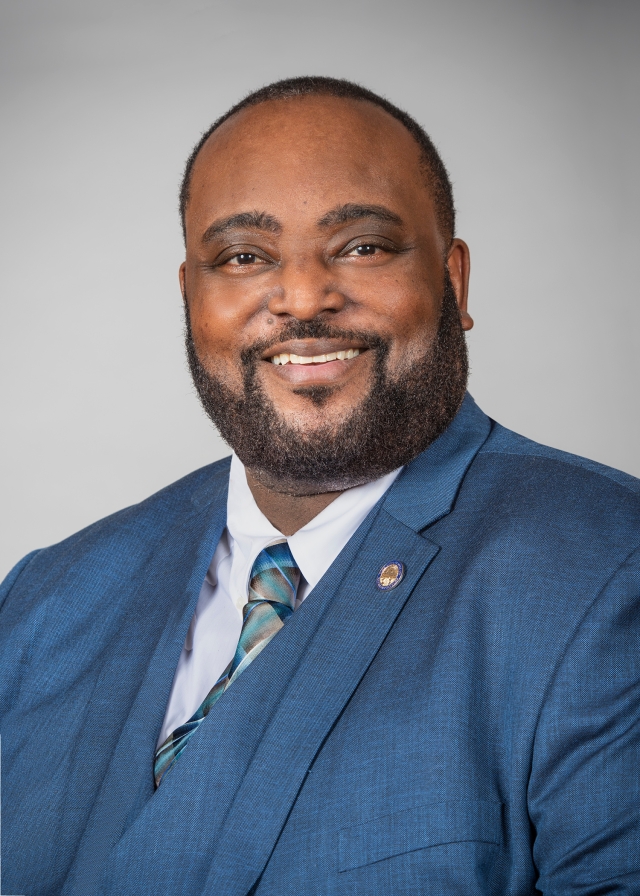
136th Legislature (2025-2026) Introduced by Darnell Brewer and 6 co-sponsors

HB 867 establishes mandatory, codified minimum standards for Ohio jails and corrections facilities, covering meals, health care, religion, communication, and inmate rights.

Referred to committee
0
WeVote Research Nonpartisan
Bill Summary · HB 867

Summary of HB 867 (Ohio, 136th General Assembly)

Purpose and intent

HB 867 proposes to establish and enforce minimum standards for jails and state correctional institutions in Ohio. It seeks to codify baseline requirements addressing meals, health care, religion, communications, housing, and overall inmate rights, while clarifying departmental authority over adult corrections facilities. The measure would also repeal existing sections (5120.05 and 5120.10) and replace them with new standards and related provisions (5120.052 and 5120.101).

Key provisions

  • Department authority and facility scope (Sec. 5120.05; Sec. 5120.052)

    • The Department of Rehabilitation and Correction (DRC) may maintain, operate, manage, and govern all state correctional institutions for convicted individuals and may designate institutions by name.
    • DRC may accept children in custody from the Department of Youth Services and place them in correctional facilities under agreed terms.
  • Minimum standards for correctional institutions (Sec. 5120.052)

    • Inmates must receive at least three meals daily within a maximum fourteen-hour interval, totaling at least 2,000 calories daily, plus fruit, vegetables, and protein per USDA guidelines.
    • Inmates must have reasonable access to religious materials, time for religious activities, and meals compatible with religious dietary restrictions upon request.
    • Inmates must receive a bed, blankets, and appropriate clothing.
    • Inmates must have access to quality, timely health and mental health care.
    • Inmates must have reasonable access to communication with family and legal representatives, with costs not unduly burdensome; visitation-denial conditions must be written and communicated.
    • Additional actions to preserve fundamental rights, quality of life, and rehabilitation opportunities.
  • Jail standards and enforcement (Sec. 5120.10; Sec. 5120.101)

    • The DRC director, via rulemaking, will establish minimum standards for jails (including special-custody facilities). Rules must be filed with the Secretary of State and Legislative Service Commission. Subdivisions must be notified of new or amended jail standards; rules cannot require support staff to hold certain occupational licenses.
    • Rules serve as criteria for oversight by the Division of Parole and Community Services (or other assigned division).
    • The director may seek court enforcement to compel compliance with standards and renovation/modernization criteria.
    • Jails may request variances from standards when strict compliance causes unusual hardship or when alternatives meet the standards’ intent, so long as security and operation are not compromised. Appeals from denial follow existing administrative procedures (Section 119.12).
    • The Division of Parole and Community Services has defined duties related to jail inspection, plan approval, parole administration, community corrections facilities, and subsidies for implementation, including licensing halfway houses and arranging housing/ services for parolees and other eligible offenders. Plan approvals require DRC authorization.
  • Implementation and oversight (Sec. 5120.10(D) and 5120.101)

    • The measures set forth enforcement mechanisms, oversight responsibilities, and consistent standards across state and local facilities.

Affected entities

  • Ohio Department of Rehabilitation and Correction (primary administrator of standards and facilities).
  • State correctional institutions and jails, including special-purpose facilities (e.g., minimum security jails, workhouses, and jail expansions).
  • County and municipal jail operators, as well as boards of county commissioners and municipal administrations, which would receive guidance, oversight, and potential variances.
  • Inmates and detainees (impacting daily meals, health care, visitation, religious accommodations, and rights).

Procedural and timeline considerations

  • The bill would repeal current sections 5120.05 and 5120.10 and replace them with the new framework (5120.052 and 5120.101), effectively reorganizing and modernizing correctional standards.
  • Rulemaking process requires formal filing and public notice with affected local governments, plus post-implementation compliance monitoring and potential variances with an appeal process.
  • Variance decisions can be appealed under existing reconsideration procedures (Section 119.12).

Notable details

  • Mandatory minimums include dietary standards (2,000 calories/day) and meal frequency, aligned with USDA guidance.
  • Emphasis on access to health care, religious accommodations, and family/legal communications as essential rights.
  • Clear transition provisions for enforcement, plan approvals, and potential court actions to enforce standards.

Compiled from official sources — confirm details with the bill’s official record.

Sign in to ask a question.