

WeVote

Bill

Bill

HR 10011

No PREJUDICE Act

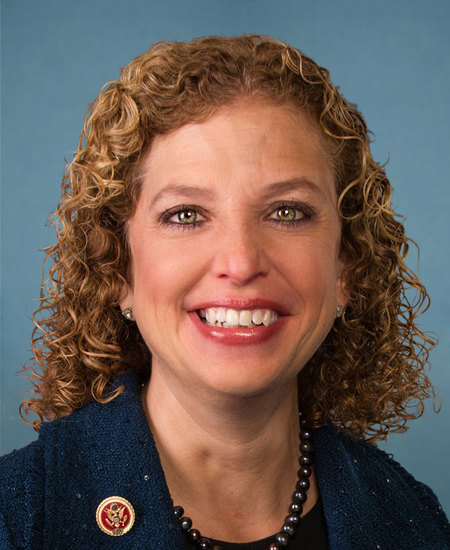
119th Congress Introduced by Debbie Wasserman Schultz

Prohibits DHS from using profiling based on race, religion, sex, language, or similar factors in enforcement actions and allows immigration court review with possible case dismissa

Introduced in House
0
WeVote Research Nonpartisan
Bill Summary · HR 10011

No PREJUDICE Act (H.R. 10011) — Summary

What this bill aims to do

  • Prohibits the Department of Homeland Security (DHS) from using federal funds to engage in discriminatory profiling.
  • Establishes that enforcement actions by DHS cannot be based on an individual’s race, ethnicity, religion, sex, gender, national origin, gender identity, sexual orientation, or language use/accent, as well as other listed factors.
  • Aims to create oversight and potential remedies when discrimination in immigration or DHS-related enforcement is alleged.

Key provisions and changes

  • Section 2(a) Prohibition on discriminatory profiling by DHS:
    • No DHS officer, employee, or person acting under DHS authority may seize, detain, or arrest an individual, or subject the individual to routine or spontaneous investigative activities, based on:
    • (1) Actual or perceived race, color, religion, sex, national origin, gender, gender identity, sexual orientation, or ethnicity.
    • (2) Presence at locations associated with recruitment or transportation for informal/temporary employment (e.g., bus stops, car washes, agricultural sites).
    • (3) Participation in a particular hobby, leisure activity, job, or career.
    • (4) Use of Spanish or any language other than English, or English spoken with an accent.
  • Section 2(b) Immigration proceedings:
    • (1) A foreign national in removal proceedings may request a hearing in the appropriate district court to determine whether the prohibition in (a) was violated.
    • (2) If the district court finds a violation, it must dismiss the removal proceedings against the alien.
    • (3) If no violation is found, the case is remanded back to the immigration court for further removal proceedings.
  • The bill’s short title is the “No PREJUDICE Act” and the long, formal title is the “No Person's Race, Ethnicity, Job, or Use of Dialect or Inflection is Cause for Enforcement Act.”

Who/what would be affected

  • DHS components and personnel involved in enforcement actions, including border, immigration, and internal security operations.
  • Individuals subject to DHS enforcement (including those in immigration removal proceedings) who could be protected from profiling-based actions.
  • Immigration proceedings process, introducing potential district court review of profiling allegations and possible dismissal of removal cases if violations are found.

Procedural and timeline aspects

  • Introduced in the House on July 30, 2026, by Representative Wasserman Schultz (co-sponsored by Debbie Wasserman Schultz).
  • Referral to the Judiciary Committee and the Homeland Security Committee for consideration.
  • The bill outlines a formal mechanism for challenging alleged profiling in immigration proceedings via district court hearings, with potential dismissal or remand outcomes depending on findings.
  • The text provided does not include a Senate counterpart or enacted dates; passage, amendment, or veto would depend on subsequent congressional action and potential conference discussions.

Notes and considerations

  • The bill sets a strong anti-profiling standard across DHS enforcement activities and ties findings in immigration court to possible case outcomes.
  • It does not specify additional funding levels beyond “federal funds” being restricted for discriminatory profiling; it would require DHS to comply with these prohibitions using existing or reallocated resources.
  • Potential questions for implementation include how to define and prove discrimination, what constitutes “routine or spontaneous investigatory activities,” and how courts would assess language-use profiling in practice.

Compiled from official sources — confirm details with the bill’s official record.

Sign in to ask a question.