

WeVote

Bill

Bill

S 5163

No Bonuses for Bad Service Act

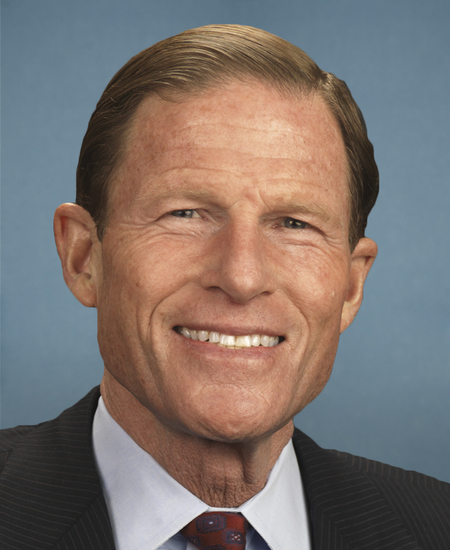
119th Congress Introduced by Richard Blumenthal and 1 co-sponsor

S.5163 would bar Postmaster General and Deputy PMG bonuses if each market-dominant category misses 95% on-time delivery, and requires performance reports to the PRC.

Committee on Homeland Security and Governmental Affairs. Ordered to be reported with an amendment in the nature of a substitute favorably.
0
WeVote Research Nonpartisan
Bill Summary · S 5163

No Bonuses for Bad Service Act (S. 5163, 119th Congress)

Purpose and intent

  • The bill aims to reform compensation for top leadership at the United States Postal Service (USPS) by tying bonuses for the Postmaster General and Deputy Postmaster General to the USPS meeting on-time delivery targets.
  • Specifically, it would prohibit the awarding of bonuses or other monetary compensation beyond basic pay in any fiscal year where on-time delivery performance falls below defined targets for market-d dominant product categories.

Key provisions and changes

  1. Bonus restrictions for the Postmaster General (PMG) and Deputy PMG

    • Section 202 of title 39, United States Code would be amended to add:
      • For the PMG: No bonus, award, or other monetary compensation beyond basic pay if the USPS does not meet or exceed a 95% on-time delivery performance for each on-time delivery target within a market-dominant product category.
      • For the Deputy PMG: The same 95% on-time delivery performance condition would apply to the prohibition on bonuses and other monetary compensation beyond basic pay.
    • The specific requirement is that the on-time delivery target must be met for each market-dominant product category.
  2. Reporting requirement update

    • Section 2804(a) of title 39 would be amended to require that reports on performance be submitted to the Postal Regulatory Commission (PRC) in addition to other existing recipients or processes.

Who is affected

  • Primary beneficiaries and constraints:
    • The Postmaster General and Deputy Postmaster General would face a prohibition on bonuses and other monetary compensation beyond base pay in years when on-time delivery targets are not met (95% threshold for each target within market-dominant categories).
  • Organizational impact:
    • USPS governance/oversight bodies (the USPS Governors) would be required to ensure compliance with the new bonus restriction.
  • Regulatory/oversight changes:
    • The Postal Regulatory Commission would gain visibility into performance reporting by requiring submission of performance reports under the updated statute.

Procedural and timeline aspects

  • Legislative steps to date:
    • Introduced in the Senate on July 29, 2026 by Sen. Hawley, with Sen. Blumenthal as a co-sponsor.
    • Referred to the Senate Committee on Homeland Security and Governmental Affairs.
    • Committee action (as of the latest update): The committee reported the bill favorably with an amendment in the nature of a substitute (dated August 6, 2026), indicating movement toward floor consideration.
  • Effective date: The bill text does not specify an exact effective date beyond enactment; as with most statutes, any effective date would be determined in the enacted version or its implementing regulations.

Potential impact

  • Incentive alignment: The bill creates a stronger link between leadership compensation and performance on on-time mail delivery, potentially incentivizing improvements in service reliability for market-dominant USPS product categories.
  • Performance transparency: By requiring performance reporting to the PRC, the bill enhances oversight and public accountability regarding on-time delivery performance.
  • Budgetary impact: By disallowing bonuses in underperforming years, there could be short-term savings in executive compensation. However, the bill does not alter base pay or other compensation structures beyond bonuses for the PMG and Deputy PMG.
  • Operational considerations: USPS would need to ensure accurate measurement of on-time delivery targets by market-dominant product categories and align governance decisions with the 95% performance threshold.

Summary

S. 5163 proposes to remove or restrict bonus-based compensation for USPS leadership in any fiscal year where on-time delivery performance fails to meet a 95% target for each market-dominant product category. It expands reporting obligations to the Postal Regulatory Commission and seeks to promote accountability and performance in mail delivery reliability. The bill has moved through committee with favorable action and awaits potential floor consideration.

Compiled from official sources — confirm details with the bill’s official record.

Sign in to ask a question.