

Bill
Sponsor avatar

BILL • US SENATE

S 4428

No Aid for Ghost Students Act of 2026

119th Congress

Requires an identity fraud detection system for FAFSA reviews and prevents disbursement until in-person or live audiovisual identity verification is completed for suspected cases.

Introduced in Senate
0
0
Bill Summary · S 4428

Overview

  • Bill: S. 4428, the No Aid for Ghost Students Act of 2026
  • Purpose: Amend the Higher Education Act of 1965 to require an identity fraud detection system when reviewing Free Applications for Federal Student Aid (FAFSA) and to enhance verification procedures to prevent disbursement of federal aid to those suspected of identity fraud.
  • Introduced in: 119th Congress, 2nd Session
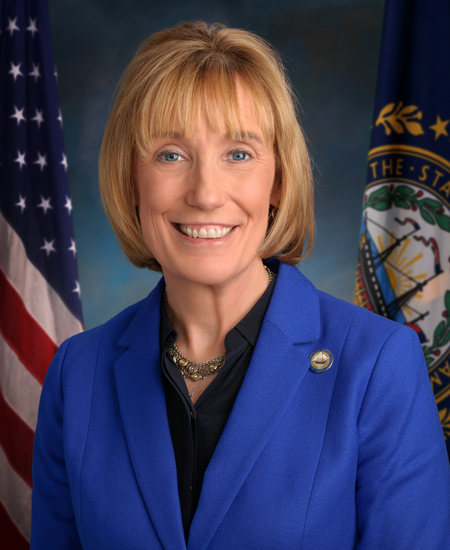
  • Sponsor(s): Sen. Maggie Hassan (primary), with Senate co-sponsors Ashley Moody and Tommy Tuberville
  • Committee referral: Senate Health, Education, Labor, and Pensions

What the bill would do

1) Identity fraud detection for FAFSA review

  • Require the Secretary of Education to use an identity fraud detection system to review every FAFSA-related application submitted on or after October 1, 2026.
  • If the system flags a “reasonable suspicion of identity fraud,” the Secretary must notify the applicant and proceed with additional steps, including notifying designated higher education institutions and informing the applicant of further identity verification requirements per existing or amended provisions.

2) Notification and transmission of information

  • When a reasonable suspicion of identity fraud is detected:
    • The applicant must be notified of the determination, the basis for it, and that additional identification information will be transmitted to institutions the applicant designated.
    • The applicant will be informed that the institutions will enforce identity verification before federal financial aid disbursement.

3) Congressional oversight and reporting

  • The Secretary must:
    • Provide a description of the identity fraud detection system to authorizing committees by November 1, 2026.
    • Notify committees within 30 days of any substantial changes to the system.
    • Conduct an annual evaluation of the system’s effectiveness starting October 1, 2027, and report on use and effectiveness each year.

4) Enhanced verification requirements for institutions

  • Amend Section 487(a)(15) to add a new subparagraph (B) effective October 1, 2026:
    • Institutions shall not disburse federal financial aid to an applicant whose FAFSA presents a reasonable suspicion of identity fraud unless the institution, per Secretary-established procedures, does the following:
    • Verifies the applicant’s identity via in-person verification or live, synchronous audiovisual verification.
    • Notifies the Secretary that the identity has been verified.
    • Maintains a record of the identity verification.

5) Secretary’s guidelines and procedures

  • The Secretary must establish guidelines by October 1, 2026, detailing institutional identity verification procedures under the new framework.

Who would be affected

  • Prospective and current college students and FAFSA applicants (as the system would flag identity fraud and trigger additional verification steps).
  • Institutions of higher education (colleges, universities, and others participating in federal financial aid programs) that must implement identity verification procedures before disbursing federal aid.
  • The Department of Education (Secretary) responsible for administering the FAFSA, identity fraud detection system, and verification guidelines.
  • Congressional authorizing committees (for ongoing evaluations and reporting).

Key dates and timeline

  • October 1, 2026: Identity fraud detection system required to review FAFSA-related applications; institutions must begin implementing in-person or live audiovisual identity verification upon a finding of reasonable suspicion of identity fraud.
  • October 1, 2026: Secretary must establish verification guidelines for institutions (as amended).
  • November 1, 2026: Secretary must provide a written description of the identity fraud detection system to authorizing committees.
  • 30 days after any substantial system changes: Secretary must provide description and rationale to Congress.
  • October 1, 2027 and annually thereafter: Secretary conducts annual evaluation and reports to authorizing committees on the system’s use and effectiveness.

Potential impact and considerations

  • Aimed at reducing “ghost students” and fraud in federal student aid by preventing disbursement to applicants with suspected identity fraud.
  • Shifts additional verification burden to both the federal system and participating institutions.
  • Could improve identification and verification of true applicant identity, but may raise concerns about accessibility for legitimate applicants who must undergo more stringent verification.
  • Requires development and deployment of an identity fraud detection system, along with formal guidelines for institutions, and ongoing congressional reporting and evaluation.

Hi! I'm your AI assistant for S 4428. I can help you understand its provisions, impacts, and answer any questions.

Key Provisions Impacts Timeline
Sign in to chat

Start the Conversation

Be the first to share your thoughts on this petition. Your voice matters!

Share your opinion above