

WeVote

Bill

Bill

HB 2492

NEWBORN SAFETY DEVICE

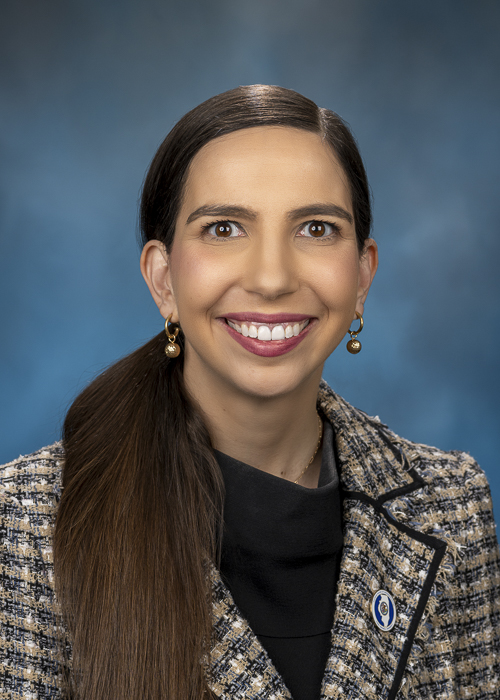
104th Regular Session Introduced by Anne Stava

Expands availability of newborn safety devices at designated facilities to allow anonymous relinquishment of infants 30 days old or younger, with DCFS grants and 24/7 staff support

Rule 19(a) / Re-referred to Rules Committee
0
WeVote Research Nonpartisan
Bill Summary · HB 2492

Summary — HB 2492: Newborn Safety Device (Abandoned Newborn Infant Protection Act amendments)

Note: the provided document packet appears to include text from two different measures (one amending Arizona guardianship statutes and one amending Illinois’s Abandoned Newborn Infant Protection Act). This summary focuses on the newborn safety device provisions (the amendment to the Abandoned Newborn Infant Protection Act), which match the bill title. Verify jurisdiction/version before taking action.

Main purpose

To expand and promote the installation and use of “newborn safety devices” (secure receptacles often called “baby boxes” or “baby hatches”) at selected hospitals, fire stations, emergency medical facilities, and police stations so that newborn infants (30 days old or less) can be safely and anonymously relinquished. The Department of Children and Family Services (DCFS) will coordinate site identification and issue grants to pay for installation and ongoing operation.

Key provisions

  • Definitions:

    • “Newborn infant” = child reasonably believed by a licensed physician to be 30 days old or less at time of relinquishment and not an abused/neglected child.
    • “Newborn safety device” = an installed receptacle meeting specified operational, safety, anonymity, notification, and security requirements (see below).
    • “Emergency medical facility,” “fire station,” “police station,” and other terms are defined/clarified.
  • Site identification and minimum coverage:

    • DCFS, in consultation with each county board, shall identify facilities to install, maintain, and provide outreach about newborn safety devices.
    • Counties with population < 500,000: identify one designated facility (hospital ED, fire station, emergency medical facility, or police station).
    • Counties with population > 500,000: identify a total of four designated facilities (any combination of the listed facility types).
  • Grants and voluntary participation:

    • DCFS must award grants to the designated facilities to cover installation and any other reasonable costs associated with maintaining proper operation of the device.
    • Acceptance of a grant and any agreement to install/maintain a device is strictly voluntary for the facility.
  • Device technical/operational requirements:

    • Must be located at a facility with personnel available 24/7 to take possession of a relinquished newborn.
    • Installed in a conspicuous area visible to employees, accessible to allow anonymous placement from outside the facility, locks after a newborn is placed, and provides a controlled environment for care and protection.
    • Must notify a centralized location within the facility within 30 seconds of placement.
    • Must trigger a 9-1-1 call if staff do not respond within a reasonable amount of time.
  • Liability:

    • Hospitals, fire stations, emergency medical facilities, or police stations that operate a newborn safety device are immune from civil liability for acts or omissions related to operation of the device unless conduct constitutes gross negligence or willful/wanton misconduct.
  • Conforming & technical changes:

    • The bill makes conforming amendments and adds a new section to the Act to implement the grant program and device standards.

Who is affected

  • Newborn infants who are voluntarily relinquished and their parents — provides an additional safe, anonymous option for relinquishment.
  • DCFS — responsible for site identification, consulting with county boards, and administering grant awards.
  • Counties and designated facilities (hospital EDs, fire stations, emergency medical facilities, police stations) — may receive grants and may choose to install devices.
  • Facility staff — must be available 24/7 and respond to device notifications.
  • Local governments/treasuries — may incur grant-related expenditures through DCFS funding; operational costs are supported by grants but may involve ongoing local commitments.

Potential impacts and considerations

  • Public safety and child welfare: Expected to increase safe relinquishments and reduce unsafe abandonments, potentially reducing newborn mortality and harm.
  • Fiscal: DCFS grant funding required for installation and maintenance; total fiscal cost not specified in the bill text provided. Counties/facilities participate voluntarily but may incur ancillary costs (training, facility modifications).
  • Operational: Facilities must ensure 24/7 staffing, rapid notification/response protocols, and device maintenance; training and outreach will be needed to inform the public about availability and anonymity.
  • Legal: Provides strong liability protection for participating facilities, limited to instances short of gross negligence or willful misconduct.
  • Equity/coverage: Minimum facility numbers per county aim to provide geographic coverage, but rural counties may still have limited access depending on site placement.

Procedural status (from provided materials)

  • The packet includes multiple legislative traces and dates from different states. For the newborn safety device provisions (Illinois text), the bill was introduced in early February 2025 (HB2492 — Rep. Anne Stava-Murray appears on the Illinois version). The Arizona procedural history in the materials does not align with the Illinois measure. Please verify the correct jurisdiction and current status on the official legislative website before relying on this summary for action.

If you want, I can:
- Produce a short fact sheet for facilities considering participation; or
- Compare the newborn-device provisions to current state law and estimate likely fiscal impacts (will need budget/appropriation text or an appropriation estimate).

Compiled from official sources — confirm details with the bill’s official record.

Sign in to ask a question.