

WeVote

Bill

Bill

S 1686

Neighborhood Homes Investment Act

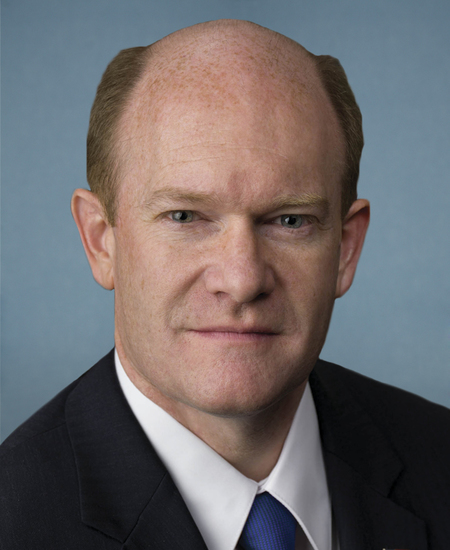
119th Congress Introduced by Chris Coons and 9 co-sponsors

Bill S 1686 protects outdoor workers by prohibiting activities in extreme temperatures, requiring safety measures from employers to prevent heat and cold-related illnesses.

Introduced in Senate
0
WeVote Research Nonpartisan
Bill Summary · S 1686

Summary of Bill S 1686: Prohibition of Certain Activities in Extreme Temperatures

Bill Overview

  • Bill Number: S 1686
  • Title: Relates to prohibition of certain activities in extreme temperatures
  • Status: Referred to Labor Committee
  • Introduced On: January 13, 2025
  • Classification: Legislative Bill

Purpose and Intent

Bill S 1686 aims to establish regulations that prohibit specific activities during extreme temperature conditions to protect the health and safety of workers. The bill recognizes the potential hazards posed by extreme heat and cold, which can lead to serious health risks, including heat exhaustion, hypothermia, and other temperature-related illnesses.

Key Provisions

While the specific text of the bill is not provided, the following key provisions are typically expected in legislation of this nature:

  • Prohibition of Outdoor Work: The bill may prohibit outdoor work activities when temperatures exceed a certain threshold (e.g., above 95°F or below 32°F).
  • Employer Responsibilities: Employers may be required to implement safety measures, such as providing adequate hydration, rest breaks, and access to shaded or heated areas.
  • Enforcement Mechanisms: The bill could establish penalties for non-compliance, ensuring that employers adhere to the regulations set forth.
  • Emergency Protocols: Guidelines for emergency response in case of heat or cold-related incidents may be included.

Affected Parties

  • Workers: The primary beneficiaries of this bill are outdoor workers, including those in construction, agriculture, and landscaping, who are most vulnerable to extreme temperature conditions.
  • Employers: Businesses that employ outdoor workers will need to adjust their practices to comply with the new regulations, potentially incurring additional costs for safety measures.
  • Labor Unions and Advocacy Groups: Organizations advocating for worker safety and health will likely support the bill, as it aligns with their mission to protect workers' rights.

Procedural Aspects

  • Current Status: The bill has been referred to the Labor Committee for further consideration. This is a critical step in the legislative process, where the committee will review the bill, hold hearings, and potentially make amendments before it is brought to the floor for a vote.
  • Related Legislation: Bill S 1686 is related to several prior-session bills (S 1656, S 1844, S 445) and has a companion bill (A 5064) in the Assembly, indicating ongoing legislative interest in the issue of worker safety in extreme temperatures.

Conclusion

Bill S 1686 represents a proactive approach to safeguarding workers from the dangers of extreme temperatures. By establishing clear regulations and responsibilities, the bill seeks to enhance workplace safety and promote the well-being of those who work outdoors. As it progresses through the legislative process, stakeholders will be closely monitoring its developments and potential impacts.

Compiled from official sources — confirm details with the bill’s official record.

Sign in to ask a question.