

WeVote

Bill

Bill

HR 709

National Training Center for Counter-Unmanned Aircraft Systems Act

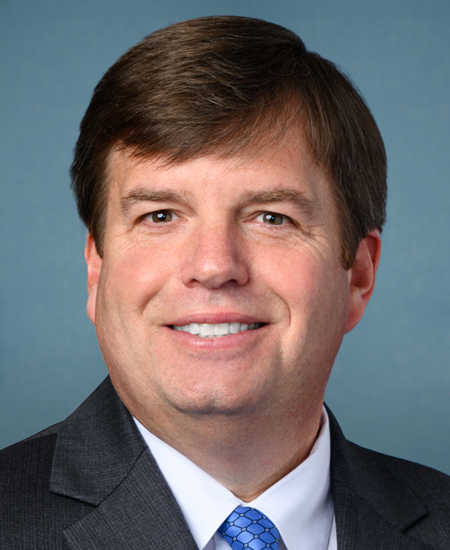
119th Congress Introduced by Dale Strong

HR 709 establishes a national training center to equip law enforcement and military personnel with skills to counter drone threats, enhancing public safety and national security.

Referred to the Subcommittee on Aviation.
0
WeVote Research Nonpartisan
Bill Summary · HR 709

Summary of HR 709: National Training Center for Counter-Unmanned Aircraft Systems Act

Introduction

The National Training Center for Counter-Unmanned Aircraft Systems Act (HR 709) was introduced in the House of Representatives on January 23, 2025. The bill aims to establish a dedicated training center focused on countering unmanned aircraft systems (UAS), commonly known as drones.

Purpose and Intent

The primary purpose of HR 709 is to enhance national security by providing specialized training for law enforcement, military personnel, and other relevant stakeholders in the effective management and neutralization of unmanned aircraft threats. As the use of drones increases in both commercial and malicious contexts, this legislation seeks to ensure that personnel are adequately prepared to address potential risks associated with UAS.

Key Provisions

While the full text of the bill is not provided, the following key provisions can be anticipated based on the bill's title and intent:

  • Establishment of a Training Center: The bill proposes the creation of a national training center specifically designed for counter-UAS operations.

  • Training Programs: The center would develop and implement training programs tailored to various stakeholders, including federal, state, and local law enforcement agencies, as well as military units.

  • Research and Development: The center may also engage in research and development activities to advance technologies and strategies for countering UAS threats.

  • Collaboration with Agencies: The bill emphasizes collaboration with relevant federal agencies, including the Department of Homeland Security and the Federal Aviation Administration, to ensure comprehensive training and operational effectiveness.

Affected Parties

The following groups would be directly impacted by the provisions of HR 709:

  • Law Enforcement Agencies: Local, state, and federal law enforcement agencies would benefit from enhanced training and resources to manage drone-related incidents.

  • Military Personnel: Armed forces would receive specialized training to address UAS threats in various operational contexts.

  • Public Safety Officials: Firefighters, emergency responders, and other public safety officials would gain skills to handle drone-related emergencies.

Procedural Aspects

  • Current Status: As of now, HR 709 has been referred to the Subcommittee on Aviation following its introduction.

  • Committee Review: The bill has also been referred to the Committee on the Judiciary and the Committee on Transportation and Infrastructure for consideration of provisions that fall within their respective jurisdictions.

  • Timeline: The bill was introduced on January 23, 2025, and was referred to the subcommittee the following day, on January 24, 2025. Further actions and discussions will determine the bill's progression through the legislative process.

Conclusion

HR 709 represents a proactive approach to addressing the challenges posed by unmanned aircraft systems. By establishing a national training center, the bill aims to equip key personnel with the necessary skills and knowledge to effectively counter UAS threats, thereby enhancing public safety and national security. As the bill moves through the legislative process, its provisions and potential impacts will be further clarified.

Compiled from official sources — confirm details with the bill’s official record.

Sign in to ask a question.