

WeVote

Bill

Bill

HR 8811

Moms Matter Act

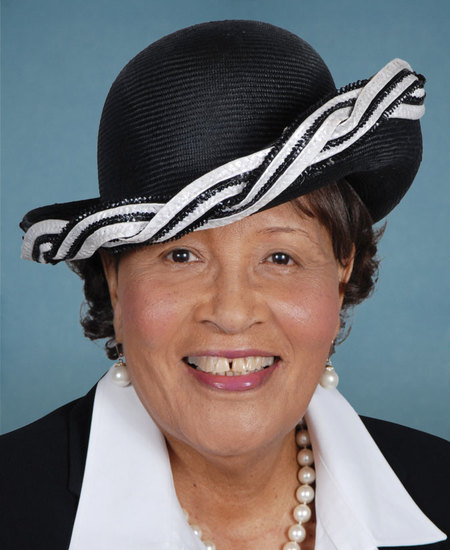
119th Congress Introduced by Alma Adams and 42 co-sponsors

The Moms Matter Act funds integrated maternal mental health and SUD care, expands workforce training, and targets high-risk groups to reduce mortality and improve perinatal outcome

Introduced in House
0
WeVote Research Nonpartisan
Bill Summary · HR 8811

Overview

  • Bill: H.R. 8811
  • Session: 119th Congress
  • Title: Moms Matter Act
  • Purpose: To address maternal mental health conditions and substance use disorders, with a focus on reducing maternal mortality, severe maternal morbidity, and other adverse perinatal outcomes; to expand access to integrated care, support services, and workforce development.

Main Goals and Intent

  • Improve maternal mental health and substance use disorder treatment and support for pregnant and postpartum individuals.
  • Target demographic groups with elevated risks of maternal mortality, severe maternal morbidity, disparities, or adverse perinatal outcomes.
  • Expand and diversify the maternal mental and behavioral health care workforce.
  • Reduce stigma and increase awareness of warning signs, access to care, and coordination among care providers.

Key Provisions

Section 2. Maternal Mental Health Equity Grant Program

  • Establishes a grant program administered by the Secretary of Health and Human Services (through the Assistant Secretary for Mental Health and Substance Use).
  • Eligible entities: community-based organizations, nonprofits/patient advocacy groups, maternity care providers, mental/behavioral health providers, State or local entities, Indian Tribes/Tribal organizations, and Urban Indian organizations.
  • Purposes for grant use:
    • Integrate maternal mental health and behavioral health into primary care and prenatal/postpartum programs.
    • Expand group prenatal and postpartum care.
    • Improve existing programs targeting prenatal/postpartum maternal mental health and SUDs, especially for high-risk groups.
    • Provide services and referrals to addiction treatment with evidenced-based options.
    • Address stigma and raise awareness of warning signs.
    • Suicide/self-harm prevention for pregnant/postpartum individuals.
    • Support freestanding birth centers with education/treatment services.
    • Educate maternity care providers on warning signs and referral pathways.
    • Develop or expand information portals about providers.
    • Improve coordination among community and mental health providers (including toll-free hotlines).
    • Implement other evidence-based activities addressing maternal mental health and SUDs.
  • Reporting: Annual public reports by grant recipients detailing activities, with quantitative and qualitative evaluations.
  • Secretary’s reporting: By end of FY 2030, a comprehensive evaluation of grant effectiveness and recommendations to expand screenings and treatments, and continue grant-era activities post-grant.
  • Definitions:
    • Eligible entity, freestanding birth center, maternal mortality, maternity care provider, postpartum/postpartum period, etc.
    • Maternal mortality includes deaths during pregnancy or within 1 year after, tied to pregnancy/childbirth complications, including deaths from suicide or overdose related to mental health or SUDs.
    • Maternity care provider defined to include physicians, PAs, midwives, advanced practice RNs, trained doulas, lactation consultants, etc.
  • Funding: Authorized appropriations of $25 million per fiscal year from 2027 through 2031.

Section 3. Maternal Mental and Behavioral Health Care Workforce Grants (Title VII amendment)

  • Adds a new section (Sec. 758) to the Public Health Service Act to grow and diversify the maternal mental/behavioral health workforce.
  • Uses of funds:
    • Establish or expand education/training programs for licensing/certification as maternal mental health providers.
    • Expand capacity of existing programs, including scholarships.
  • Priorities for awards:
    • Reaching racial/ethnic minority and underserved populations.
    • Recruiting diverse students and retaining faculty.
    • Encouraging practice in Health Professional Shortage Areas (HPSA) and areas with maternal health disparities.
    • Incorporating bias, racism, and discrimination training into curricula.
  • Reporting requirements: Annual reports on student demographics, career placement in shortage areas and maternal-disparity areas, and training program effectiveness.
  • Grant period: Up to 5 years.
  • Technical assistance: Secretary to provide or arrange support for program development, evaluation, and sustainability.
  • Secretary’s report to Congress (within 4 years): Assess program effectiveness across recruitment, workforce diversification, placement in shortage/disparity areas, and training on bias.
  • Authorizations: $15 million per year (FY2027–2031).

Who Would Be Affected

  • Pregnant and postpartum individuals (primary beneficiaries of enhanced mental health services and SUD treatment).
  • Demographic groups with elevated risk (as defined by the bill, including racial/ethnic minority groups and other underserved populations).
  • Maternity care providers and mental/behavioral health professionals (through training programs and improved collaboration).
  • Community-based organizations, nonprofits, and local/state health departments operating in maternal health.
  • Freestanding birth centers and other maternal care facilities implementing integrated care.
  • Students and professionals pursuing training in maternal mental/behavioral health (via workforce grants and scholarships).

Procedural and Timeline Highlights

  • Introduction Date: May 14, 2026; referred to the House Committee on Energy and Commerce.
  • Funding window: Provisions authorize funding from FY 2027 through 2031 (two grant programs with distinct funding levels: $25M/year for the equity grant program; $15M/year for the workforce development grants).
  • Reporting timeline:
    • Annual reports from grant recipients.
    • Secretary to deliver a comprehensive Congress report by end of FY 2030 on the equity program’s effectiveness and recommendations to expand coverage of screenings and treatments.
    • Four-year Secretary-funded evaluation and public post online (for the workforce grant section) on program effectiveness.
  • Definitions and eligibility criteria are established to guide grant eligibility and program scope.

Potential Impact

  • Enhanced integration of mental health and substance use treatment into standard maternity care, potentially reducing maternal mortality and severe maternal morbidity.
  • Increased access to evidence-based treatments and referrals, especially for high-risk groups and in underserved areas.
  • Greater awareness and reduced stigma surrounding maternal mental health conditions and SUDs.
  • Expanded and more diverse workforce pipeline in maternal mental health care, improving cultural competence and access in shortage areas.
  • Strengthened data collection and accountability through regular reporting and Congress-focused evaluations.

This summary outlines the Moms Matter Act’s core aims, funding, and anticipated effects on maternal mental health care, while noting key eligibility, program design, and oversight provisions.

Compiled from official sources — confirm details with the bill’s official record.

Sign in to ask a question.