

WeVote

Bill

WeVote Research Nonpartisan
Bill Summary · HB 2451

Bill Overview

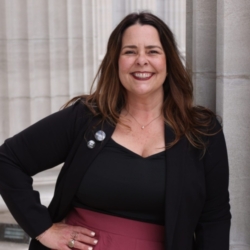
HB 2451 is a Missouri 2026 bill titled “Modifies the offense of making a false report.” The available legislative history indicates prefiling in December 2025, first reading in January 2026, second reading in January 2026, and referral to the Emerging Issues committee in May 2026. Co-sponsor: Lilly Fuchs.

Purpose and Intent

  • The bill aims to modify existing Missouri law related to making a false report. While the precise statutory language is not provided here, the bill’s title and progression suggest reforms intended to change the elements, penalties, or enforcement mechanisms associated with false reporting offenses. The intent appears to be clarifying, expanding, narrowing, or otherwise adjusting how false reports are defined and/or prosecuted.

Key Provisions and Changes (Based on Title and Context)

Given the limited text available, the following are the types of changes such bills typically enact. The actual bill’s text would specify exact changes, but readers can anticipate one or more of the following:

  • Redefining the offense: Amending what constitutes a “false report,” including the type of information, evidence requirements, or the intent standard (e.g., knowingly, intentionally, or recklessly providing false information to authorities).
  • Scope of reports: Extending or narrowing the range of reports covered (e.g., to include emergency services, police, school officials, or social services agencies).
  • Penalties and severity: Adjusting penalties (misdemeanor vs. felony classifications), terms of imprisonment, fines, or probation conditions.
  • Defenses or exemptions: Adding or clarifying defenses (e.g., report made out of fear, good faith mistakes, or reporting compelled by law).
  • Enforcement and remedies: Modifying procedures for investigation, prosecution, or post-conviction relief (e.g., restitution, community service, or diversion programs).
  • Public safety impacts: Addressing false reports in specific contexts (e.g., threats, hazmat, bomb threats, school safety, or domestic incidents) and corresponding updates to related statutes.

Who Would Be Affected

  • Individuals who provide information to law enforcement, emergency services, schools, or related agencies and are alleged to have knowingly or intentionally provided false information.
  • Victims or complainants who might be impacted by how the offense is defined or prosecuted.
  • Law enforcement, prosecutors, and the judiciary who would apply the revised statute and evaluate cases under the updated standard.
  • Public institutions and private entities that are the recipients of reports (e.g., police departments, schools, social services agencies).

Procedural and Timeline Aspects

  • Prefiled: December 16, 2025
  • First Reading: January 7, 2026
  • Second Reading: January 8, 2026
  • Referred to Committee: Emerging Issues (H) on May 15, 2026

Implications:
- The bill is in the early-to-mid stage of the legislative process. As it moves through committee consideration, amendments could be added that alter its scope, penalties, or defenses.
- If advanced, the bill would proceed to further readings, potential floor debate, and votes in the chamber, with possible cross-chamber consideration and signing into law by the governor.

Potential Impacts to Monitor

  • Changes in legal definitions could affect charging decisions and case outcomes for false reporting.
  • Penalty adjustments may influence the deterrent effect and the balance between protecting public safety and avoiding undue criminalization of mistaken or well-intentioned reports.
  • Clarifications around what constitutes a false report can impact both the behavior of would-be reporters and the burden of proof required by prosecutors.

Summary

HB 2451 seeks to modify the offense of making a false report in Missouri. While specific statutory changes are not provided in the available information, the bill's progression through readings and referral to the Emerging Issues committee indicates a formal revision of the current false reporting statute. The bill would affect individuals who provide information to authorities, the agencies that receive such reports, and the legal system responsible for enforcing and interpreting the offense.

Compiled from official sources — confirm details with the bill’s official record.

Sign in to ask a question.