

WeVote

Bill

Bill

S 1443

Mobile Workforce State Income Tax Simplification Act of 2025

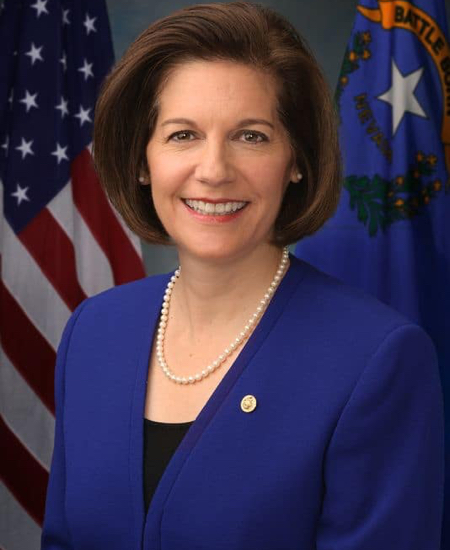
119th Congress Introduced by Catherine Cortez Masto and 1 co-sponsor

The bill would tax workers in a state after 30 days of work there, simplifying multi-state taxes and reducing filing complexity for mobile workers.

Introduced in Senate
1
WeVote Research Nonpartisan
Bill Summary · S 1443

Legislative bill overview

The Mobile Workforce State Income Tax Simplification Act of 2025 (Bill S 1443) aims to simplify state income tax obligations for workers who perform their jobs in multiple states due to remote work or travel. The bill proposes establishing a uniform threshold for the number of days an employee can work in a state before being subject to that state's income tax. Specifically, it intends to set a 30-day limit on taxable days in any individual state, reducing the complexity of filing multiple state tax returns for mobile workers and their employers.

Why is this important

With the rise of remote work and employees frequently working across state lines, the current patchwork of state tax rules creates administrative burdens and financial uncertainties. This bill addresses a timely issue by promoting tax simplification and reducing compliance costs, making it easier for businesses to manage payroll taxes and for employees to avoid multiple tax filings and potential double taxation. Simplified rules can also encourage workforce mobility and flexibility.

Potential points of contention

  • Some states may oppose the loss of tax revenue from mobile workers who currently pay income tax based on where they physically work.
  • The 30-day threshold may be seen as arbitrary, potentially allowing significant income to be earned in a state without taxation, which could affect tax fairness.
  • Smaller states or those with narrow tax bases might experience budgetary impacts.
  • Complexities could arise in enforcing and tracking the days worked across states, leading to potential disputes.
  • The bill may not address how to handle situations where employees work remotely from multiple states simultaneously or in blended work environments.

Compiled from official sources — confirm details with the bill’s official record.

Sign in to ask a question.