

WeVote

Bill

Bill

SB 2886

Mississippi Domestic Violence Fatality Review Team Law; enact.

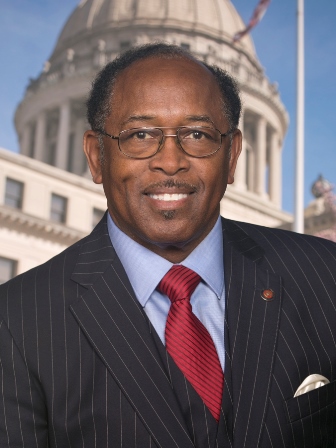
2025 Regular Session Introduced by Albert Butler and 2 co-sponsors

Mississippi creates a confidential statewide Domestic Violence Fatality Review Board to analyze DV deaths, share data, and issue annual policy recommendations to prevent future fat

Approved by Governor
0
WeVote Research Nonpartisan
Bill Summary · SB 2886

Summary — SB 2886 (2025)

Title: Mississippi Domestic Violence Fatality Review Team Law — enact
Status: Approved by Governor (enacted Apr 10, 2025)
Introduced: Mar 14, 2025

Purpose

Establish a statewide multidisciplinary Domestic Violence Fatality Review Board within the Mississippi State Department of Health to review deaths resulting from domestic violence incidents, identify trends and system gaps, and develop policy and program recommendations to prevent future domestic violence fatalities.

Key provisions

  • Creates the Domestic Violence Fatality Review Board (the "board") housed in the State Department of Health.
  • Requires the department to employ or contract a coordinator and designate staff to provide administrative support.
  • Sets board duties to: review domestic violence fatalities, develop prevention strategies, establish review protocols, gather and manage case records, and oversee data collection and reporting.
  • Requires the board to submit an annual report (due on or before December 1 each year) to the Chairmen of the House Public Health and Human Services Committee and the Senate Public Health and Welfare Committee. The report must include number, causes, relevant demographics, identifiable trends, and policy/system recommendations to reduce preventable domestic violence fatalities.

Membership & administration

  • The board is multidisciplinary. Members are appointed by the State Health Officer and include:
    • One survivor of domestic abuse
    • A licensed physician or nurse experienced in forensic examinations of domestic violence victims
    • A licensed mental health professional with domestic violence expertise
    • A licensed social worker from the Department of Child Protection Services
    • A county prosecutor
    • A coroner or medical examiner
    • A representative from the Department of Public Safety
    • A representative from the Bureau of Victim Assistance (Attorney General’s Office)
    • The team coordinator (employed/contracted by the Department of Health)
  • Board chair is elected every two years. Members serve multi‑year terms as provided in the statute.
  • The coordinator’s duties include gathering/storing/distributing records, notifying members of meetings, ensuring reporting and data collection requirements are met, and overseeing adherence to review protocols.

Records access, confidentiality, and legal protections

  • The board may review a broad set of records: protection orders; court records (including juvenile and dismissed cases); medical, mental health and therapy records; autopsy reports; birth/death certificates; social services, education, EMS, corrections, parole/probation, and law enforcement investigative records; advocacy and clergy records; and other relevant information.
  • State agencies and entities (State Medical Examiner, State Department of Health, Department of Human Services, medical examiners, coroners, health care providers, law enforcement, etc.) must provide requested data to the board.
  • Physicians, hospitals and pharmacies must provide reasonable access to relevant medical records; they receive immunity from civil, criminal or disciplinary liability for good‑faith sharing of records.
  • Information gathered by the board is confidential: persons appearing must sign confidentiality agreements; collected information is not admissible as evidence in any court or tribunal and generally may not be disclosed except as necessary for the board’s review.

Coordination and ad hoc participation

  • The board may invite experts, service providers, family members, and agency representatives to participate on an ad hoc basis for specific reviews.
  • When a death occurs on tribal lands or involves tribal members, tribal representatives and agencies may be invited to participate.
  • The board may consult and share information with other review bodies (e.g., Child Death Review Panel and Maternal Mortality Review Committee) when cases overlap.

Who is affected

  • State agencies and local authorities that hold records related to domestic violence fatalities (medical providers, hospitals, coroners/medical examiners, law enforcement, courts, human services, corrections, prosecutors, advocacy organizations).
  • Survivors’ advocates, public health and safety agencies, and legislators (receiving the annual report).
  • Medical providers are afforded limited liability protection for sharing records in good faith.

Legislative/timeline notes

  • Introduced: Mar 14, 2025; Read and referred to appropriate committees; amended in committee and by the House; conference reports filed and adopted.
  • Enrolled and signed; approved by Governor on Apr 10, 2025 — now enacted into law.

This law establishes a structured, confidential statewide review process intended to improve interagency data-sharing, identify preventable causes of domestic violence deaths, and produce annual recommendations to inform policy and resource allocation.

Compiled from official sources — confirm details with the bill’s official record.

Sign in to ask a question.