

WeVote

Bill

Bill

HR 9027

Military and Veterans Fuel Discount Act of 2026

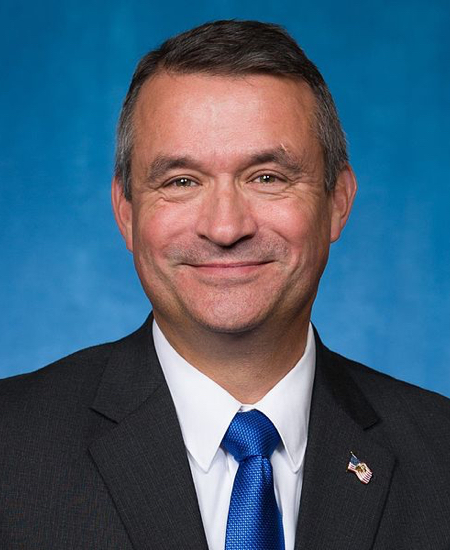
119th Congress Introduced by Don Bacon and 2 co-sponsors

The bill would authorize a DoD-run program giving a minimum per-gallon discount on motor fuel at exchange stores to eligible patrons, with annual reporting and a sunset in 2029.

Introduced in House
0
WeVote Research Nonpartisan
Bill Summary · HR 9027

Overview

HR 9027, the Military and Veterans Fuel Discount Act of 2026, would authorize the Secretary of Defense to run a program providing discounted motor fuel to eligible patrons at exchange stores. The discount would apply to fuel sold at exchange stores and dispensed directly into eligible patrons’ vehicles. The bill sets minimum discount amounts, allows for additional state/local tax discounts, requires enforcement measures, and includes reporting and sunset provisions.

Purpose and Intent

  • Create a government-authorized discount on motor fuel for certain patrons who purchase fuel at military exchange stores.
  • Extend potential savings to both uniformed service members and other eligible patrons served by exchange systems, subject to federal regulation and coordination with other agencies as appropriate.
  • Establish accountability through regulatory updates and annual reporting to Congress, and sunset the program on September 30, 2029.

Key Provisions and Changes

  • General Authority (Section 2(a)):

    • The Secretary of Defense may operate a discount program for eligible patrons purchasing motor fuel at exchange stores and dispensing fuel directly into a vehicle.
  • Discount Amounts (Section 2(b)):

    • Base discount must meet or exceed:
    • For gasoline: the general gasoline excise tax rate under IRS Code § 4081, but not less than 18.4 cents per gallon.
    • For diesel: the diesel tax rate under IRS Code § 4081, but not less than 24.4 cents per gallon.
    • Supplemental discount: The Secretary may provide an additional per-gallon discount if a state or local motor fuel tax applies, with the amount determined by the Secretary.
  • Automatic Application (Section 2(c)):

    • The Secretary should apply the discount to eligible patrons at the point of sale to the maximum extent practicable.
  • Regulations and Safeguards (Section 2(d)):

    • Update regulations to prevent fraud, abuse, and resale or commercial use of discounted fuel.
  • Termination / Sunset (Section 2(e)):

    • The authority to provide discounts terminates on September 30, 2029.
  • Reporting Requirements (Section 2(f)):

    • Within 180 days of implementing the program and annually thereafter, the Secretary must report to the House and Senate Armed Services Committees on:
    • Number of exchange stores selling discounted fuel (by exchange system).
    • Total gallons sold with the discount (by store, by system, and overall).
    • Annual cost of the base discount (and any additional discounts).
    • Pre-enactment average annual fuel sales per store.
    • Any fraud, abuse, or implementation issues.
    • Recommendations on continuing or modifying the program.
  • Coordination (Section 2(g)):

    • The bill does not prevent coordination with other federal departments/agencies to promote similar fuel discounts for:
    • Members of the uniformed services.
    • Other persons served by exchange systems outside the Department of Defense.
  • Eligible Patron Defined (Section 2(h)):

    • “Eligible patron” means a person authorized under federal law and regulations to purchase motor fuel from a fuel station operated by an exchange store.

Who Is Affected

  • Primary beneficiaries: Eligible patrons who purchase motor fuel at DoD exchange stores and have fuel dispensed into their vehicles.
  • Potential indirect beneficiaries: Other individuals served by exchange systems outside DoD, if coordinated or extended under related authorities.
  • DoD and military exchange systems would implement and administer the program, with federal regulatory oversight and annual reporting to Congress.

Procedural and Timeline Aspects

  • Introduction date: May 26, 2026.
  • Referral: House Committee on Armed Services.
  • Sunset: Program authority ends September 30, 2029.
  • Reporting cadence: Initial report within 180 days of program implementation, then annually through sunset.
  • Regulatory updates: Secretary to update regulations to deter fraud, abuse, and resale.

Potential Impacts and Considerations

  • Financial: Establishes minimum per-gallon discount levels, potentially creating substantial cost to DoD/Exchange systems; exact cost depends on uptake and state/local tax considerations.
  • Operational: Requires integration of discount application at point of sale; emphasis on automatic application to minimize friction.
  • Accountability: Regular reporting and fraud-prevention measures aim to ensure transparency and mitigate abuse.
  • Policy implications: Encourages coordination with other federal agencies for broader adoption of discount policies beyond DoD, potentially affecting other federal employee or veteran fuel programs.

If you’d like, I can tailor this summary for a briefing packet or comparison with similar existing programs.

Compiled from official sources — confirm details with the bill’s official record.

Sign in to ask a question.