

WeVote

Bill

Bill

SB 2753

MDH; direct to incorporate brain health, Alzheimer's disease and dementia education into existing public health programs.

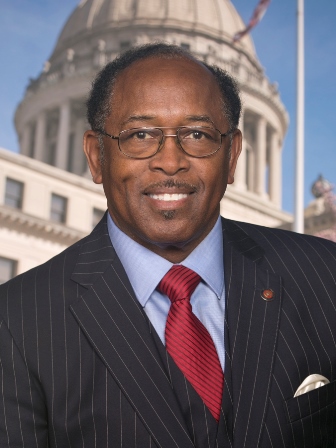
2025 Regular Session Introduced by Albert Butler and 2 co-sponsors

Directs MDH to weave brain-health, Alzheimer's, and dementia education into existing public health programs, boosting awareness and resources for patients, families, and caregivers.

Died In Committee
0
WeVote Research Nonpartisan
Bill Summary · SB 2753

SB 2753 — Summary

Title: MDH; direct to incorporate brain health, Alzheimer's disease and dementia education into existing public health programs
Primary sponsor: Sen. Inouye
Companion bill: HB 2654
Subject areas: Public health and human services; accountability/transparency; public health and welfare

Purpose / Intent

SB 2753 would direct the state Department of Health (MDH) to incorporate brain health, Alzheimer’s disease, and dementia education into MDH’s existing public health programs. The stated intent is to increase public awareness, promote brain-health practices, and expand education for people living with dementia and their caregivers through established MDH outreach and programming channels.

Key provisions (based on available information)

  • Directs MDH to incorporate education about brain health, Alzheimer’s disease, and dementia into its existing public health programs.
  • Presumably involves developing and delivering educational content and outreach through programs that already reach target populations (exact mechanisms not provided in the available summary).
  • No bill text or specific mandates (e.g., required curricula, reporting, funding, deadlines, or evaluation metrics) is included in the provided record. Therefore, specific operational details, funding needs, or enforcement provisions are not available.

Who would be affected

  • Department of Health: tasked with integrating new education content into current programs.
  • General public, older adults, and populations at risk for cognitive decline: potential beneficiaries of increased education and outreach.
  • Family members and caregivers of people living with Alzheimer’s/dementia: likely to receive additional informational resources and support materials if implemented.
  • Healthcare and public-health partners that collaborate with MDH programs.

Procedural history and status (note: conflicting records)

The procedural record provided contains conflicting entries:

  • Entries show the bill was introduced (filed) on 2025-03-14 and include referrals, committee consideration, and a status entry of “2025-03-04: Died In Committee.”
  • Other entries in the record indicate extensive subsequent action through spring and early summer 2025, including conference committee activity, House and Senate passage, enrollment, transmittal to the Governor, and a signature: “2025-06-22: Signed by the Governor” with an effective date of 9/1/2025.

Because the provided timeline contains mutually inconsistent status updates (both “Died In Committee” and “Signed by the Governor”), the bill’s final disposition is unclear from this summary alone.

Potential impact and considerations

  • If enacted as titled, the bill would likely increase public education about brain health and dementia, which could improve early recognition, caregiver preparedness, and access to resources.
  • Fiscal impact is unknown: integration into existing programs may be achievable with minimal additional funding, but new materials, training, or expanded outreach could require resources. No appropriation or fiscal note is included in the provided material.
  • Effectiveness would depend on specifics not provided here (scope of required activities, timelines, coordination with stakeholders, evaluation/metrics).

Recommendation

Because the legislative actions in the record are inconsistent, consult the official state legislative website or the MDH legislative services office for:
- The enacted bill text (if any), fiscal notes, and implementation instructions;
- The definitive final status (died vs. enacted);
- Any implementing guidance or appropriations tied to the measure.

Compiled from official sources — confirm details with the bill’s official record.

Sign in to ask a question.