

WeVote

Bill

Bill

HR 9712

Mamas First Act

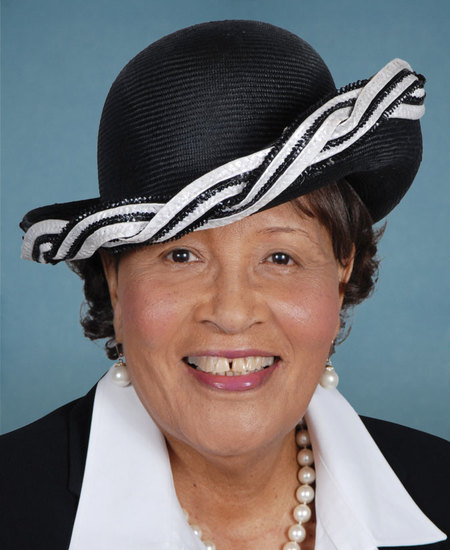
119th Congress Introduced by Alma Adams and 8 co-sponsors

Expands Medicaid to cover doula, midwife, tribal midwife, and lactation support services across settings, aiming to improve maternal/infant outcomes and reduce disparities.

Introduced in House
0
WeVote Research Nonpartisan
Bill Summary · HR 9712

Overview

  • Bill: HR 9712
  • Session: 119th Congress
  • Short title: Mamas First Act
  • Purpose: Amend title XIX (Medicaid) to provide coverage for services delivered by doulas, midwives (including tribal midwives), and lactation support providers. Aims to improve maternal and infant health outcomes and reduce disparities.

Main purpose and intent

  • Expand Medicaid coverage to include non-medical and supportive maternity services:
    • Doulas
    • Midwives and tribal midwives
    • Lactation support providers
  • Emphasizes culturally congruent care and diverse settings (home, community, hospital, birth centers, clinics, health units), with telehealth where allowed by state law.
  • Seeks to reduce maternal mortality and adverse birth outcomes by promoting evidence-backed supports shown to improve birth outcomes and breastfeeding initiation.

Key provisions and changes

  • Section 1905(a)(32) added: Establishes Medicaid coverage for comprehensive maternity services provided by the defined providers, in various settings and via telehealth as permitted.
  • Definitions added (Section 1905(ll)):
    • Doula: Certified by a continuing-education-requiring organization; may provide client references; acceptable credentials include professional recommendations from clients or licensed health care providers.
    • Midwife: Meets state Medicaid provider criteria or international/global standards for midwifery education.
    • Tribal midwife: State Medicaid eligibility or tribal recognition to practice midwifery.
    • Lactation support provider: Medicaid-authorized provider; at least 20 hours foundational training per recognized lactation training standards or recognized by Lactation Support Provider Descriptor.
  • Mandatory coverage under state plans (Section 1902(a)(10)(A)): Cleanup to include new category (32) alongside existing categories, ensuring services are considered essential Medicaid benefits.
  • Cost-sharing prohibition (Title XIX): Adds coverage of doula/midwife/tribal midwife/lactation support services to prohibitions on certain cost-sharing, ensuring services are not subject to copays or other cost-sharing that could impede access.
  • Effective date (Section 1905 amendments): Applies to medical assistance furnished on or after January 1, 2027. Provides a stated exception for states requiring new legislation to implement the changes, with a timing mechanism tied to state legislative sessions.

Who/what would be affected

  • Beneficiaries: Medicaid enrollees seeking maternity-related services would gain access to doula, midwife, tribal midwife, and lactation support services, including prenatal, labor, and postpartum care.
  • Providers: Doulas, midwives (including tribal midwives), and lactation support providers would become Medicaid-reimbursable services under approved state plans, subject to defined professional standards and state qualifications.
  • States: State Medicaid programs would need to align their plans to incorporate these new services and provider definitions, and some may need enabling legislation to meet new requirements.
  • Budget and cost considerations: While not explicitly detailed in the bill text, adding coverage could impact Medicaid spending; the bill removes certain cost-sharing barriers, which could influence utilization and access.

Procedural and timeline aspects

  • Introduction date: July 15, 2026
  • Referral: House Committee on Energy and Commerce
  • Title and scope reflect reclassification within Medicaid authorities rather than creating new federal programs
  • Effective date for coverage: January 1, 2027, with a state-legislation exception allowing delay if state law changes are required
  • States with longer legislative sessions have a built-in sequencing provision to avoid noncompliance penalties during transition

Notable context from findings

  • Highlights disparities in maternal mortality by race/ethnicity and geography, with Black, Indigenous, and Alaska Native women disproportionately affected.
  • Cites evidence that doula support and midwifery-led care improve outcomes, reduce preterm birth, cesarean rates, and support breastfeeding initiation.
  • Seeks to broaden access to culturally competent, patient-centered maternity care.

If you’d like, I can tailor this summary for a policy brief, legislative memo, or a public-facing explainer with a Q&A section.

Compiled from official sources — confirm details with the bill’s official record.

Sign in to ask a question.