

WeVote

Bill

Bill

HR 9770

Making continuing appropriations for fiscal year 2027, and for other purposes.

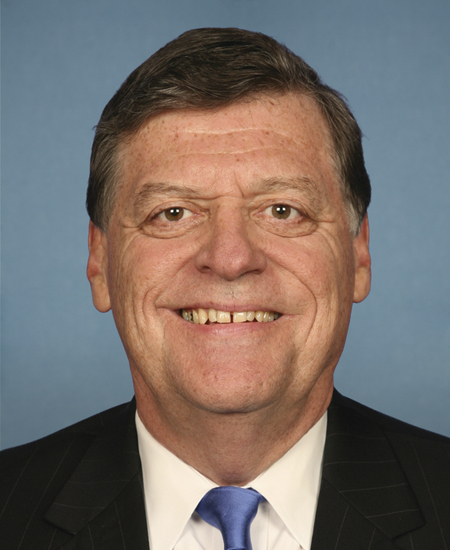
119th Congress Introduced by Tom Cole

The bill provides continuing appropriations to fund the federal government for fiscal year 2027, maintaining programs and operations without a new full appropriations bill.

Introduced in House
0
WeVote Research Nonpartisan
Bill Summary · HR 9770

Summary of HR 9770 (Session 119) — Making continuing appropriations for fiscal year 2027, and for other purposes

Purpose and intent

  • HR 9770 is designed to provide continuing appropriations to fund the federal government for fiscal year 2027. In addition to continuing funding, the bill includes provisions that authorize or address related government operations and other purposes as the bill’s text specifies.
  • The stated objective is to prevent a lapse in funding by ensuring continuing appropriations, while also addressing related fiscal or policy matters that may accompany continuing resolutions.

Key provisions and changes

  • Continuing appropriations for FY 2027:
    • The bill authorizes ongoing funding at levels specified for the fiscal year, maintaining government programs and operations without a new full appropriations bill.
    • It typically includes instructions on the duration of the continuing funding and the rate at which spending is continued (e.g., at the previous year’s levels or at specified increments), though the exact mechanism would be detailed in the bill text.
  • Additional provisions (as indicated by the title “and for other purposes”):
    • The measure may include policy riders or acts related to appropriations, such as spending flexibility, waivers, or temporary authorizations pertinent to the continuing funding.
    • Possible inclusions could address budgetary controls, reporting requirements, or targeted exceptions for certain programs or agencies, depending on the bill’s text.
  • Compliance and administration:
    • Provisions typically outline how agencies should operate under continuing appropriations, including limitations on new program authorizations, obligations, and any necessary guidance to agencies to maintain operations consistent with prior year funding.

Who is affected

  • Federal agencies and programs funded by the annual appropriations process would be directly affected, as operations would continue under the terms of the continuing resolution.
  • Contractors and grant recipients relying on federal funding would experience continued disbursements based on the continuation terms.
  • House and Senate committees of jurisdiction (Appropriations and Budget) would oversee and potentially modify the bill’s provisions during consideration.
  • Taxpayers and the public would be affected indirectly by the continuity of government services and programs funded by the bill.

Procedural and timeline aspects

  • Introduced: July 18, 2026.
  • Referred to:
    • Committee on Appropriations
    • Committee on the Budget
  • Referral indicates that the bill will be examined for jurisdictional compliance and appropriations specifics, with potential amendments before coming to the floor for a vote.
  • As a continuing appropriations measure, the bill would typically be used to prevent a government shutdown or funding gaps at the start of FY 2027, subject to negotiation and passage by both chambers and any presidential signature or veto considerations.

Notes

  • The sponsor listed includes a co-sponsor: Tom Cole.
  • The exact numerical funding levels, duration of the continuing resolution, and any accompanying policy provisions would be found in the bill text. This summary mirrors the bill’s stated purpose and typical structure for continuing appropriations while noting the “other purposes” language that may add policy elements.

If you’d like, I can pull the specific sections of the text (funding levels, duration, and any riders) and provide a point-by-point comparison to prior continuing resolutions.

Compiled from official sources — confirm details with the bill’s official record.

Sign in to ask a question.