

WeVote

Bill

Bill

A 6946

Makes sex trafficking a violent felony

2025 Regular Session Introduced by Joe Angelino and 1 co-sponsor

Reclassifies sex trafficking as a violent felony, placing it under violent-crime penalties and sentencing, affecting defendants, law enforcement, courts, and victims.

REFERRED TO CODES
0
WeVote Research Nonpartisan
Bill Summary · A 6946

Summary: Assembly Bill A 6946 – “Makes sex trafficking a violent felony”

Overview

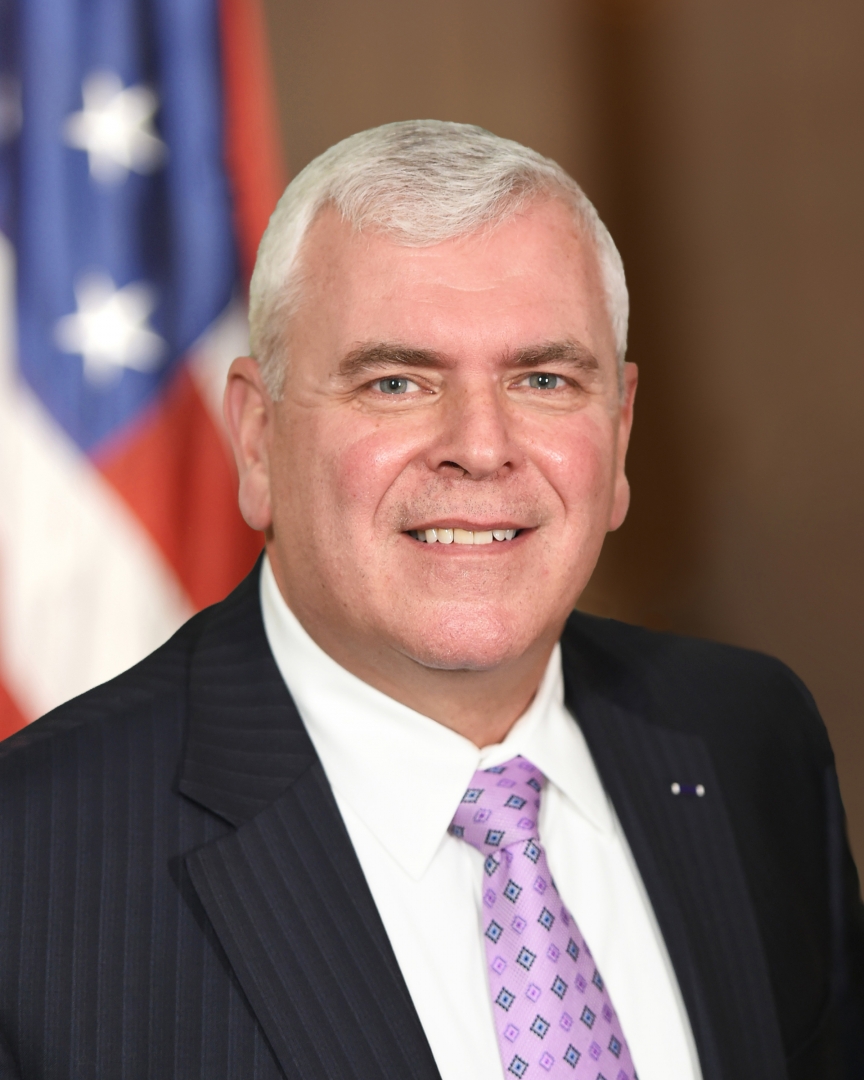
Bill A 6946 is a measure introduced in the New York Assembly on March 18, 2025 with the title “Makes sex trafficking a violent felony.” The bill has been referred to the Codes Committee, indicating it is moving through the criminal- law legislative process. The primary sponsor is Assemblymember Angelo J. Morinello, with Assemblymember Joe Angelino as a cosponsor.

Purpose and intent

  • The bill seeks to reclassify the offense of sex trafficking as a violent felony under state law.
  • By labeling sex trafficking as a violent felony, the bill intends to place offenses tied to sex trafficking within the state’s framework for violent crimes, which typically governs penalties, sentencing enhancements, and related consequences.

Key provisions (as described in the summary)

  • Reclassification: Sex trafficking would be designated as a violent felony.
  • Penalties and sentencing: As a violent felony, offenses would fall under the sentencing provisions, enhancements, and related mechanisms that apply to violent crimes (as defined by existing state law). The exact penalties and any new enhancements would be determined by the relevant statutes and subsequent amendments, which are not detailed in the provided material.
  • Implementation: The bill would amend current statutes to effect this reclassification and to align sex-trafficking prosecutions with the state’s violent-felony framework.

Who is affected

  • Defendants: Individuals charged and convicted of sex trafficking, who would be subject to the sentencing regime applicable to violent felonies.
  • Prosecutors and law enforcement: Changes in charging decisions, plea negotiations, and enforcement considerations may follow from the reclassification.
  • Courts: Sentencing procedures and related judicial considerations for sex-trafficking cases would be affected by the violent felony designation.
  • Victims and the public: Potential changes in how seriously the offense is treated in the criminal justice system, including perceived severity and public safety implications.

Procedural and timeline aspects

  • Introduction date: March 18, 2025.
  • Current status: Referred to Codes on March 18, 2025 (listed twice in the actions provided).
  • Next steps: As with any bill in committee, possible steps include hearings, amendments, and votes by the Codes Committee, followed by floor considerations in the Assembly and, potentially, the Senate.

Sponsorship

  • Primary sponsor: Angelo J. Morinello
  • Cosponsor: Joe Angelino

Note: The available information does not include the bill’s full text or specific statutory amendments. The summary above reflects the defined purpose to classify sex trafficking as a violent felony and the immediate procedural status.

Compiled from official sources — confirm details with the bill’s official record.

Sign in to ask a question.