

WeVote

Bill

Bill

A 7294

Makes seed purchased to grow food for personal consumption exempt from sales and use taxes

2025 Regular Session Introduced by Joe Angelino and 5 co-sponsors

Exempts seeds bought for personal, non-commercial food gardening from state and local sales and use taxes, supporting households growing their own food.

REFERRED TO WAYS AND MEANS
0
WeVote Research Nonpartisan
Bill Summary · A 7294

Summary of Assembly Bill A 7294 (2025)

Overview

  • Bill Number: A 7294
  • Title: Makes seed purchased to grow food for personal consumption exempt from sales and use taxes
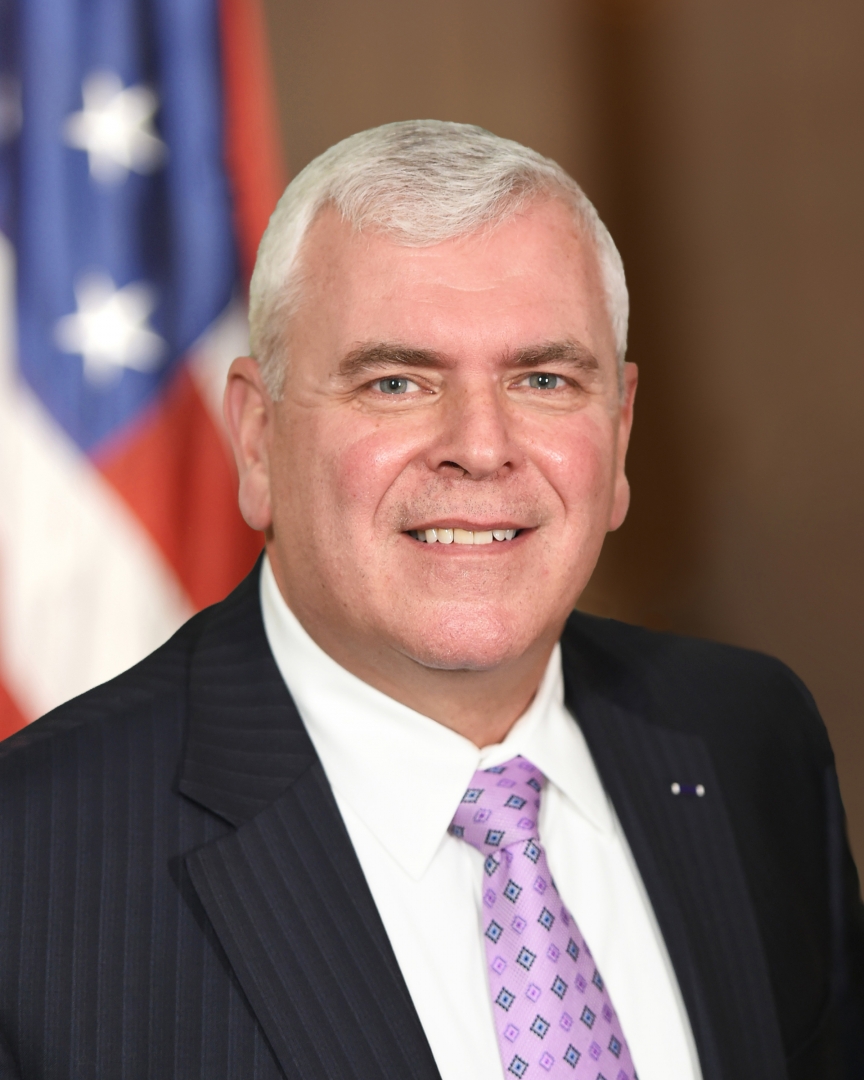
  • Sponsor: Brian Manktelow (primary)
  • Status: Referred to Ways and Means
  • Introduced: March 25, 2025
  • Legislative Actions: On March 25, 2025, the bill was referred to Ways and Means (listed twice in the provided record)

Purpose and intent

  • The bill seeks to remove sales and use taxes on purchases of seed that are bought for the purpose of growing food for personal, non-commercial consumption. In effect, it would treat seeds for home gardening as tax-exempt items, aligning tax treatment with the goal of supporting individuals who grow their own food.

Key provisions (as suggested by the bill’s title)

  • Tax exemption: Seeds purchased for growing food for personal consumption would be exempt from state and local sales and use taxes.
  • Scope and definitions (to be detailed in the bill text): The bill would define what qualifies as “seed” and what constitutes “personal consumption.” It may specify eligible plant types (e.g., vegetables, fruits, herbs) and might address aspects such as packaging, quantities, or reseller considerations.
  • Administration: Likely set out responsibilities for the relevant tax authority to implement the exemption, including any reporting or recordkeeping requirements (to be defined in the final text).

Who would be affected

  • Individual consumers who purchase seeds for home gardening to grow their own food.
  • Seed retailers and distributors (retailers would collect tax exemptions at point of sale as defined by the bill, and administrative bodies would monitor compliance).
  • Tax administration (e.g., the Department of Taxation and Finance) would implement and enforce the exemption once enacted.

Procedural and timeline considerations

  • Legislative process: Referred to the Ways and Means committee, indicating the bill will undergo a fiscal analysis and potential consideration for passage. No further actions are listed in the provided record.
  • Next steps: If advanced, the bill would move to floor debates and votes in the assembly, then potentially to the senate and onward to the governor for signature or veto. The timing depends on committee actions and legislative calendar.

Fiscal and policy notes (as yet unspecified)

  • No specific revenue impact is provided in the summary. A Ways and Means referral typically triggers a fiscal analysis to estimate revenue effects, administrative costs, and any macroeconomic implications.

Notes for readers

  • The bill’s definitions (what counts as “seed,” what constitutes “personal consumption,” and any limits) will be crucial for understanding its scope and practical impact; these details would appear in the bill’s text as it progresses.

Compiled from official sources — confirm details with the bill’s official record.

Sign in to ask a question.