

WeVote

Bill

Bill

A 5235

Makes reclassification of rent controlled dwelling retroactive to time of decrease in income of members of household of dwelling

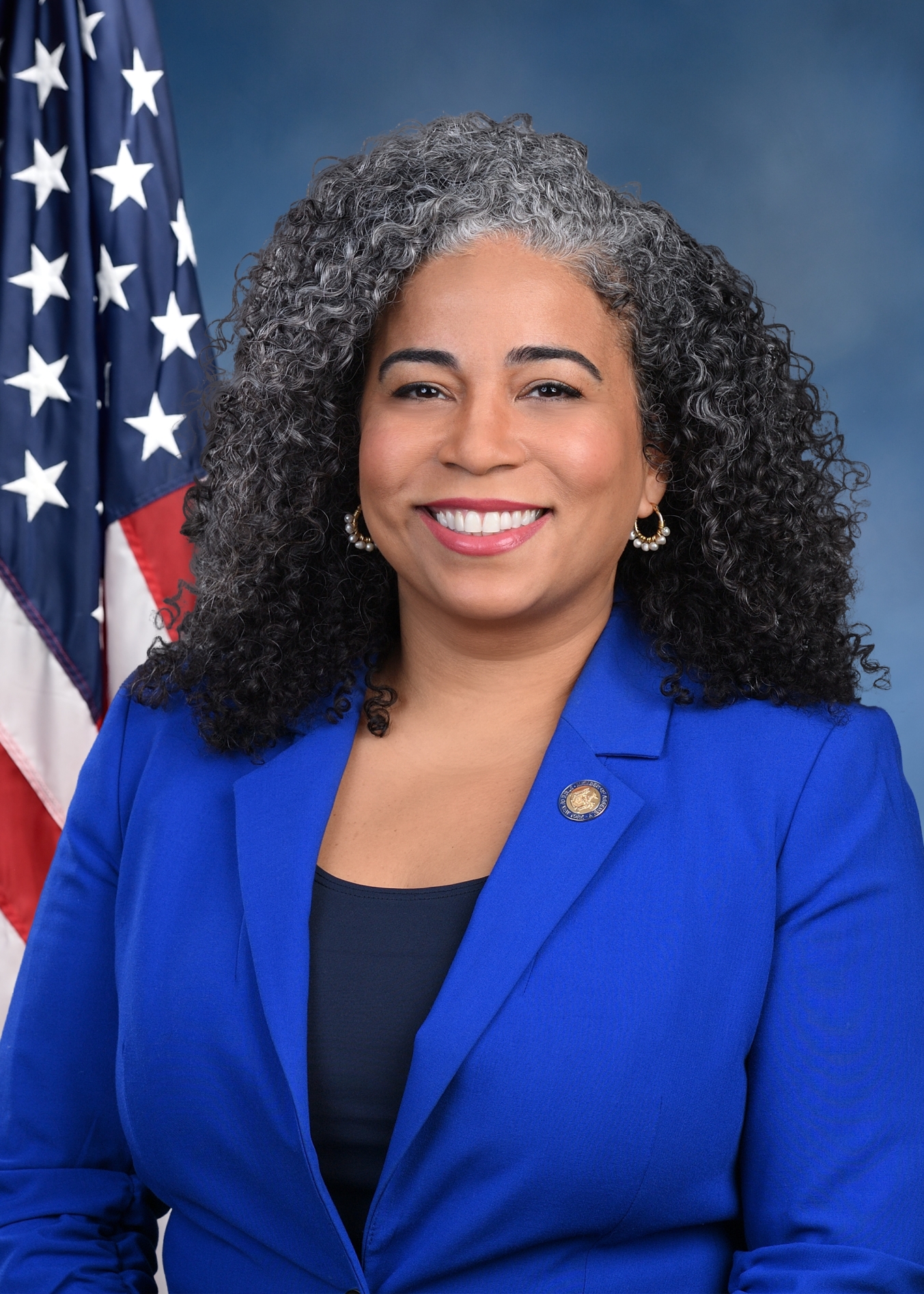
2025 Regular Session Introduced by Karines Reyes and 1 co-sponsor

Requires monthly health and fire inspections for mobile retail food establishments statewide, with uniform standards, public reporting of results, and fee guidelines.

REFERRED TO AGING
0
WeVote Research Nonpartisan
Bill Summary · A 5235

Bill A 5235 — Summary

What the bill does (Purpose and scope)

  • Introduced version: An Act concerning mobile retail food establishments and supplementing Title 26 of the Revised Statutes.
  • Core aim: Standardize and streamline health and fire safety inspections of mobile retail food establishments (e.g., food trucks) across the state by moving to a monthly inspection model and creating consistent standards and reporting requirements.
  • Legislative finding: The bill cites the “South Jersey Mobile Unit Task Force” as a model for regional, coordinated regulation that reduces repetitive approvals across jurisdictions and improves food safety. It references recognition by the National Association of County and City Health Officials (2015) and asserts that a unified approach benefits both regulators and mobile vendors.

Key provisions

  1. Monthly inspections

    • Each mobile retail food establishment must be inspected once per month for compliance with the State Sanitary Code and the Uniform Fire Code at its base of operation.
    • Additional inspections may occur, but no more than one health inspection and one fire safety inspection per week, and no inspection fees should apply to these additional inspections.
  2. Fees

    • Municipalities may charge an inspection fee for health/fire inspections, equal to the cost of conducting the inspection or equal to the fee for non-mobile retail food establishments, whichever is lower.
  3. Standards and rulemaking

    • The Commissioner of Health will set health inspection standards.
    • The Commissioner of Community Affairs will set fire safety inspection standards.
    • Any entity conducting inspections must report failed inspections to the Department of Community Affairs (DCA), which will publish the information publicly on its website.
  4. Definitions

    • A “mobile retail food establishment” includes movable units such as trucks, vans, trailers, carts, bicycles, watercraft, and other movable units used for retail food sale or sampling at temporary locations.
  5. Administrative procedures

    • The Commissioners of Community Affairs and Health must adopt implementing rules under the Administrative Procedure Act.
  6. Effective date

    • The act would take effect 180 days after enactment, with allowances for anticipatory administrative action by the relevant commissioners to facilitate implementation.

Who is affected

  • Mobile retail food establishments (e.g., food trucks and other movable vendors) across New Jersey.
  • Local municipal health and fire safety inspection authorities.
  • The New Jersey Department of Community Affairs (DCA) for public reporting of inspection results.
  • The New Jersey Department of Health (health standards) and the Department of Community Affairs (fire safety standards).

Procedural and timeline details

  • Introduced: January 27, 2025.
  • Legislative actions:
    • Referred to Assembly Public Safety and Preparedness Committee on January 27, 2025.
    • Referred to Aging on February 12, 2025 (listed twice in the record).
  • Sponsors: Primary—Karines Reyes; Cosponsor—Nily Rozic (note: sponsor names appear to reflect additional context outside New Jersey norms; included as provided).
  • Related/companion bills listed in the record.

Potential impact

  • Enhances consistency and predictability for mobile vendors by aligning inspections to a monthly cadence, potentially reducing regulatory burden from multiple inspections in a single day.
  • Establishes transparent reporting of inspection outcomes, increasing accountability.
  • Allows municipalities to align inspection fees with either cost or comparable non-mobile establishment fees, potentially smoothing variances in local practices.
  • Creates formal rulemaking processes and statewide standards for health and fire safety related to mobile retail food establishments.

Compiled from official sources — confirm details with the bill’s official record.

Sign in to ask a question.