

WeVote

Bill

Bill

HR 8677

Make the American Dream Real Again Act

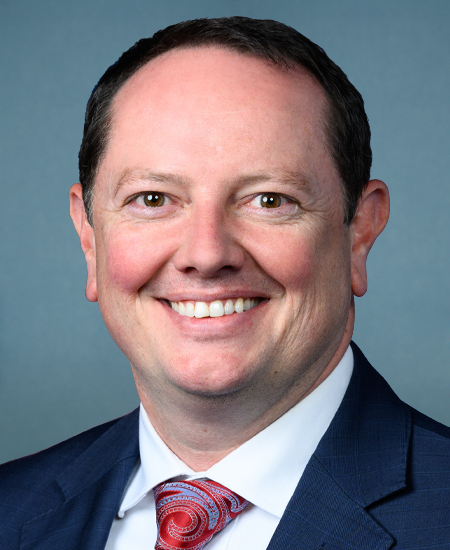
119th Congress Introduced by Eric Burlison and 1 co-sponsor

The bill seeks to expand tax credits and incentives to boost work, raise family take-home pay, and promote economic mobility.

Introduced in House
0
WeVote Research Nonpartisan
Bill Summary · HR 8677

Overview

HR 8677, titled the Make the American Dream Real Again Act, is a bill introduced in the 119th Congress. The legislation was introduced in the House and referred to the House Committee on Ways and Means on May 7, 2026. Co-sponsors include Rep. Mike Lawler and Rep. Eric Burlison. The text and specific legislative language are not provided in the summary, so this briefing focuses on the bill’s stated purpose, potential provisions typically associated with its title, and the procedural path it has begun.

Primary purpose and intent

  • The bill is framed around policies intended to "make the American Dream real again," suggesting a focus on economic opportunity, mobility, and financial security for individuals and families.
  • As a Ways and Means referral indicates, the bill likely addresses tax, revenue, or economic policy measures that influence household income, savings, investment, or business activity.

Key provisions and changes (as typically associated with this type of measure)

Note: The exact text of HR 8677 is not provided here. The following are common policy areas such bills may address, and readers should consult the bill's text for precise language and enacted provisions:

  • Tax policy changes

    • Possible adjustments to individual or family tax rates, credits, exemptions, or deductions aimed at increasing take-home pay and encouraging work.
    • Potential expansion or creation of refundable tax credits targeted at low- to middle-income households.
  • Earned income and work-based incentives

    • Provisions to expand or modify the Earned Income Tax Credit (EITC) or similar programs to boost incentives for employment and raise overall family income.
  • Support for families and education

    • Tax-advantaged savings incentives (e.g., 529 plans, education-related credits) to promote long-term financial security and access to education.
    • Provisions affecting child-related credits or dependent care support.
  • Economic mobility and savings

    • Provisions encouraging savings, investment, or financial literacy, potentially including education savings accounts or matched savings programs.
  • Business and investment environment

    • Measures to reduce regulatory or tax burdens on small businesses or incentivize entrepreneurship, which could expand job opportunities.

Who would be affected

  • Individual taxpayers, particularly working families and low- to middle-income households who would be the primary beneficiaries of tax credits or credits/adjustments.
  • Employers and small businesses if the bill includes provisions affecting payroll taxes, employer credits, or business taxation.
  • Students and families investing in education or savings accounts if education or savings incentives are included.

Procedural and timeline aspects

  • Introduction: May 7, 2026.
  • Referral: Referred to the House Committee on Ways and Means on May 7, 2026.
  • Next steps likely include committee consideration, markups, potential amendments, and then floor consideration by the full House. If approved, the bill would move to the Senate (and/or undergo conference negotiations if passed in another form) for reconciliation.

Potential impacts to monitor

  • Fiscal impact: Revenue effects and any resulting changes to federal deficits or surpluses, depending on tax credits and incentives included.
  • Economic effects: Changes in work incentives, disposable income, consumer spending, and savings rates.
  • Distributional effects: How benefits and costs are distributed across income groups, families with children, and education-related expenditures.

Notes

  • For a precise understanding, review the bill’s full text, section-by-section analysis, and fiscal impact statement (if provided) to verify exact provisions, funding mechanisms, phase-in schedules, sunset clauses, and oversight requirements.

Compiled from official sources — confirm details with the bill’s official record.

Sign in to ask a question.