

Summary of HR 8715 – “Make DTE Pay Act” (119th Congress, 2nd Session)
Purpose and intent
- The bill amends the Clean Air Act to enhance penalties for noncompliant stationary sources that are owned or operated by investor-owned electric or gas utilities.
- The core idea is to impose an increased penalty for such utilities if they had rate increases during a two-year window before or after the original penalty assessment, thereby holding utilities financially accountable for rate actions surrounding enforcement events.
Key provisions and changes
- Source statute targeted: Section 120(b) of the Clean Air Act (42 U.S.C. 7420(b)).
- Revisions to existing subsections:
- The bill adjusts (extends) the legislative text by:
- Removing a conjunction after paragraph (8) and modifying language around paragraph (9) to accommodate the new provision.
- New subsection added (proposed as paragraph (10)):
- Creates an enhanced penalty mechanism for noncomplying stationary sources owned or operated by investor-owned electric or gas utilities.
- Enhancement details:
- The state or the Administrator must increase the penalty by an amount equal to the original assessment.
- This enhanced amount applies for each rate increase that the utility received in the two-year period preceding the original penalty assessment.
- The enhancement also applies for each rate increase the utility seeks in the two-year period following the original assessment.
- The post-assessment period applies regardless of whether such rate increases are approved by, or pending before, a regulatory authority.
Who or what is affected
- Affected entities: Investor-owned electric utilities and investor-owned gas utilities.
- Affected actions: Noncompliance penalties under the Clean Air Act for stationary sources owned or operated by these utilities.
- Practical effect: If a utility had rate increases within the two years before or after the penalty assessment, the penalty can be doubled (or increased by the amount of the original assessment) for each such rate action, subject to the statutory framework in the Act.
Procedural and timeline aspects
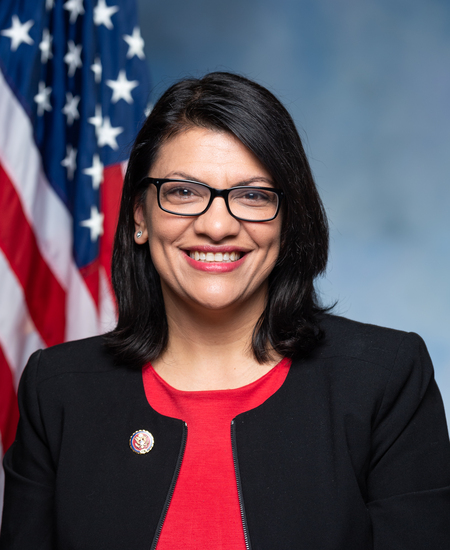
- Introduction and referral: Introduced May 7, 2026 by Rep. Rashida Tlaib; referred to the House Committee on Energy and Commerce.
- The bill’s text proposes an amendment to federal environmental law and would become effective only if enacted into law and subsequently implemented by the EPA (and applicable regulatory processes).
- No specific effective date or sunset is stated in the bill text itself; implementation would follow standard regulatory and statutory enactment procedures after passage.
Notes
- The bill’s approach ties monetary penalties to rate actions surrounding enforcement, creating a prospective penalty multiplier tied to pre- and post-assessment rate increases.
- The policy aims to deter rate actions that could undermine environmental enforcement or shift costs onto customers around penalty events.
If you’d like, I can compare this bill to current Clean Air Act penalty provisions or provide a brief impact analysis for utilities and ratepayers.
Start the Conversation
Be the first to share your thoughts on this petition. Your voice matters!