

WeVote

Bill

Bill

HR 1406

Lung Cancer Screening and Prevention Act of 2025

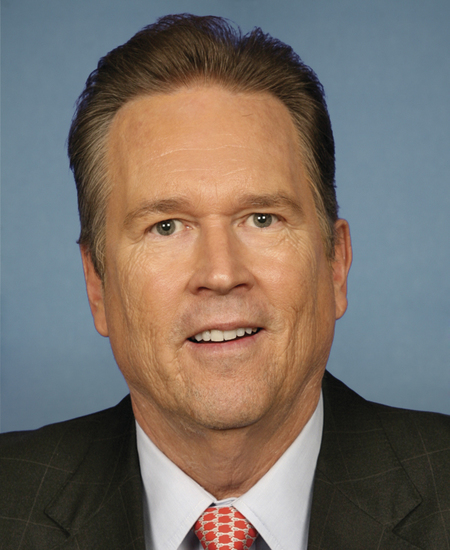
119th Congress Introduced by Vern Buchanan and 8 co-sponsors

The Lung Cancer Screening and Prevention Act of 2025 boosts access to screenings, mandates insurance coverage, and funds public awareness for high-risk individuals.

Introduced in House
0
WeVote Research Nonpartisan
Bill Summary · HR 1406

Summary of HR 1406: Lung Cancer Screening and Prevention Act of 2025

Purpose and Intent

The Lung Cancer Screening and Prevention Act of 2025 aims to enhance early detection and prevention strategies for lung cancer, which remains one of the leading causes of cancer-related deaths in the United States. The bill seeks to improve access to screening services and promote public awareness about lung cancer risks and prevention methods.

Key Provisions

While the specific text of the bill is not provided, based on the title and legislative intent, the following key provisions are anticipated:

  • Expanded Screening Programs: The bill is likely to propose increased funding for lung cancer screening programs, particularly targeting high-risk populations, such as smokers and former smokers aged 50 and older.

  • Public Awareness Campaigns: It may include initiatives to educate the public about lung cancer risks, symptoms, and the importance of early detection through screening.

  • Insurance Coverage: The legislation could mandate that health insurance plans cover lung cancer screening tests, such as low-dose computed tomography (LDCT), without cost-sharing for eligible individuals.

  • Research Funding: The bill might allocate resources for research into lung cancer prevention and treatment, supporting innovation in medical technology and therapies.

Affected Parties

The following groups would be directly impacted by the provisions of HR 1406:

  • Patients: Individuals at high risk for lung cancer would benefit from increased access to screening and preventive services.

  • Healthcare Providers: Medical professionals involved in lung cancer diagnosis and treatment may see changes in practice guidelines and increased patient referrals for screening.

  • Insurance Companies: Health insurers would need to adjust their coverage policies to comply with any new mandates regarding lung cancer screening.

  • Public Health Organizations: These entities may receive funding to implement awareness campaigns and educational programs.

Legislative Process and Timeline

  • Introduced: The bill was introduced in the House on February 18, 2025.

  • Committee Referral: It has been referred to the Committee on Energy and Commerce and the Committee on Ways and Means for consideration. The timeline for further action will be determined by the Speaker of the House.

Conclusion

The Lung Cancer Screening and Prevention Act of 2025 represents a significant step towards improving lung cancer outcomes through enhanced screening and prevention efforts. As the bill progresses through the legislative process, it will be crucial to monitor its provisions and potential impacts on public health and healthcare systems.

Compiled from official sources — confirm details with the bill’s official record.

Sign in to ask a question.