

WeVote

Bill

Bill

SB 1857

local government; 2026-2027.

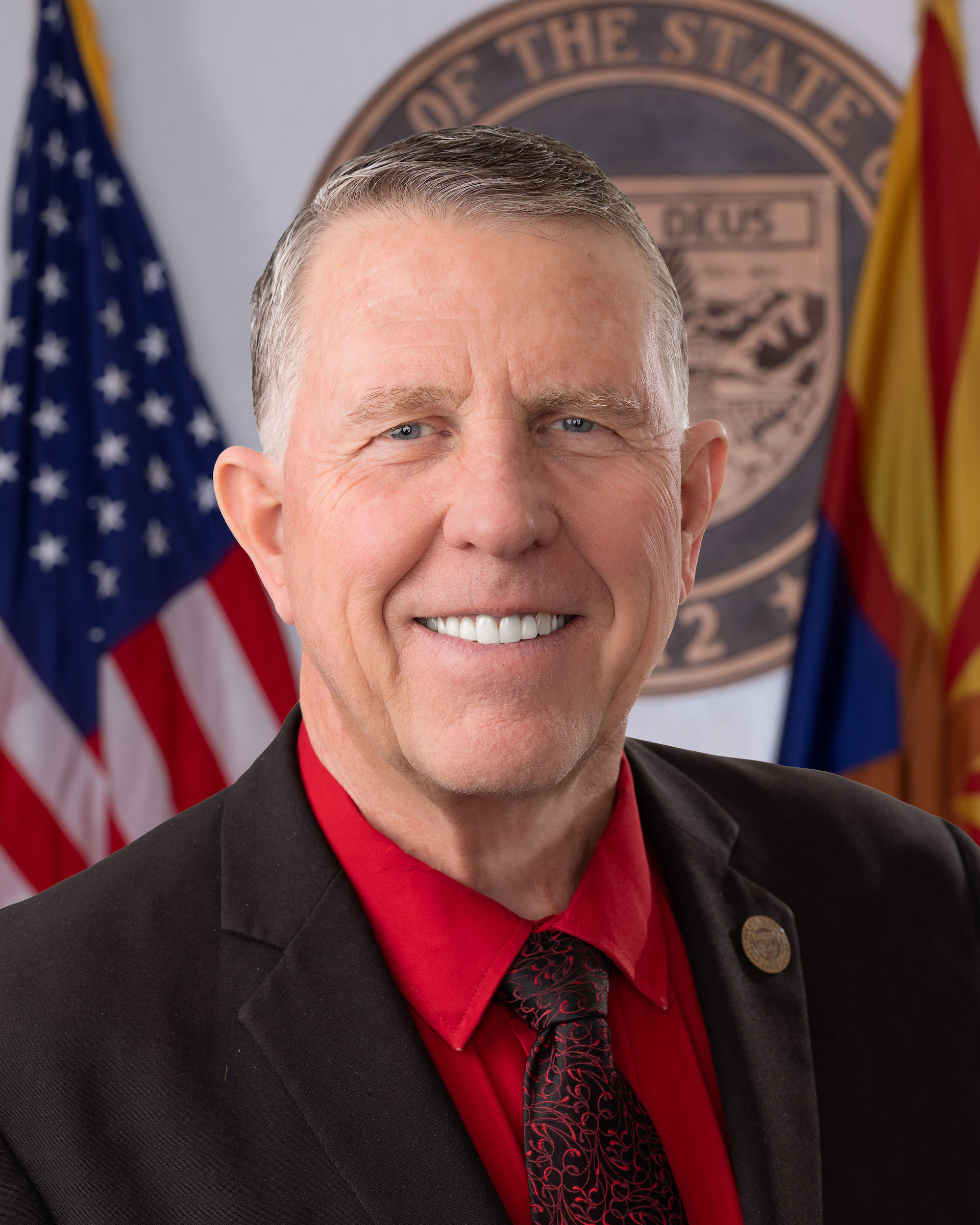
57th Legislature - Second Regular Session Introduced by Dave Farnsworth

Small counties (under 250,000) may temporarily repurpose up to $1.25 million of designated county revenues to meet fiscal obligations in 2026-2027, with JLBC reporting.

DP
0
WeVote Research Nonpartisan
Bill Summary · SB 1857

Summary of SB 1857 (57th Legislature, 2nd Regular Session – Arizona)

Purpose and intent

  • The bill provides a temporary, limited capability for certain counties to address fiscal obligations using revenue sources outside their designated purposes, under specific population and time constraints.
  • It aims to offer fiscal flexibility to smaller counties (populations under 250,000 as per the 2020 Census) for the 2026-2027 fiscal year.

Key provisions and changes

  • Section A — County fiscal obligations; authorization

    • For fiscal year 2026-2027, counties with a population of less than 250,000 may meet any county fiscal obligation from any source of county revenue designated by the county.
    • This includes the funds of any countywide special taxing jurisdiction on which the county board of supervisors serves as the board of directors.
    • Limitation: A county may not use more than $1,250,000 of these redirected revenues for purposes other than the purposes of the revenue source. In other words, the county can repurpose up to $1.25 million from a revenue source, but only for purposes tied to that revenue source’s allowed use.
  • Section B — Reporting requirement

    • By October 1, 2026, each eligible county must report to the director of the Joint Legislative Budget Committee (JLBC) whether it used a revenue source for purposes other than its designated purposes to meet a county fiscal obligation under subsection A.
    • If such use occurred, the county must identify the specific revenue source and state the amount of revenues that are planned or intended for use in fiscal year 2026-2027.

Who is affected

  • Eligible counties: Counties with a population of less than 250,000 (per the 2020 U.S. Census).
  • Potential revenue sources: Any county revenue designated by the county, including funds from countywide special taxing jurisdictions for which the county board of supervisors serves as the board of directors.
  • Oversight/Reporting: JLBC (Joint Legislative Budget Committee) receives the required report by October 1, 2026.

Procedural and timeline aspects

  • Effective period: The authorization applies specifically to fiscal year 2026-2027.
  • Reporting deadline: October 1, 2026, for counties to disclose whether they used designated revenue sources for purposes outside their normal scope and to outline intended uses for 2026-2027.
  • Legislative action already taken: The bill has had its first reading as of June 9, 2026, with sponsorship noted (co-sponsor: Dave Farnsworth).

Potential impacts and considerations

  • Fiscal flexibility: Provides a mechanism for small counties to address deficits or fiscal obligations by temporarily re-purposing up to $1.25 million from certain revenue sources.
  • Transparency and oversight: Requires reporting to the JLBC, enabling legislative awareness of counties’ use of funds beyond their designated purposes.
  • Limitations: The re-purposing is capped and time-bound (only for 2026-2027 and limited to $1,250,000 per county or per revenue source, depending on interpretation of “may meet any county fiscal obligation from any source of county revenue designated by the county” and the “may not use more than $1,250,000 for purposes other than the purposes of the revenue source”).

If you’d like, I can provide a plain-language example scenario illustrating how a county might apply this bill and what the reporting would look like.

Compiled from official sources — confirm details with the bill’s official record.

Sign in to ask a question.