

WeVote

Bill

Bill

SB 3949

LOC FIRST RESPONDER INSURANCE

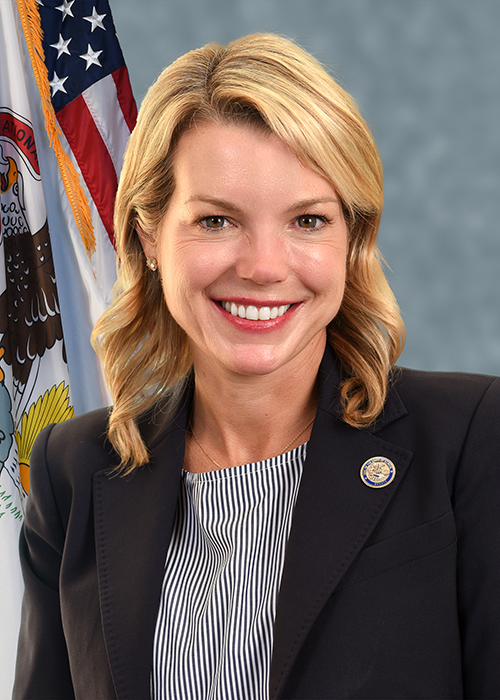
104th Regular Session Introduced by Erica Harriss

SB 3949 would establish or expand local government insurance programs for first responders, mandating coverage and funding structures to ensure benefits across departments.

Rule 3-9(a) / Re-referred to Assignments
0
WeVote Research Nonpartisan
Bill Summary · SB 3949

Summary of SB 3949 (104th Illinois General Assembly)

Purpose and intent

  • SB 3949 is titled “LOC FIRST RESPONDER INSURANCE.” While specific legislative language is not provided here, the bill appears to address insurance-related provisions for local first responders (likely police, fire, EMS) within Illinois.
  • The sponsor is Senator Erica Harriss (co-sponsor), indicating a focus on local government or public safety stakeholder interests.

Key provisions and changes (as implied by the title and typical policy design)

  • Insurance coverage requirements or enhancements for local first responders. This could include:
    • Health, disability, or life insurance provisions for active personnel.
    • Workers’ compensation or line-of-duty injury protections tailored to first responders.
    • Optional or mandated insurance programs administered at the local level.
  • Funding mechanisms or fiscal implications for local governments to support these insurance products.
  • Eligibility criteria for participation by local jurisdictions or departments.
  • Reporting, oversight, or administration provisions to ensure compliance and proper use of funds.

Note: The exact statutory text is not provided in the action history, so these points reflect common elements in bills with similar titles. The precise scope (who is covered, what types of insurance, funding sources, and administration details) would be defined in the bill’s operative sections.

Affected entities

  • Local governments within Illinois (cities, towns, villages) and/or their departments that employ first responders.
  • First responder personnel who would be covered or affected by changes in insurance requirements or benefits.
  • Potential administrative or budget offices within local governments responsible for implementing insurance programs.

Procedural and timeline aspects

  • Filed with the Secretary of the Senate on February 6, 2026.
  • Referred to Assignments on February 6, 2026, with First Reading on the same day.
  • Re-referred to Assignments on March 13, 2026.
  • Later action history shows assignment to Local Government, indicating the bill is being evaluated for its impact on local government operations, budgets, and public safety administration.

Potential impacts and considerations

  • Financial: If the bill establishes new insurance requirements or subsidies, local governments may need to adjust budgets or seek state funding.
  • Administrative: Local governments may need to adopt new enrollment, claims processing, or reporting procedures.
  • Workforce: Enhanced insurance protections could affect recruitment, retention, and morale of first responders.
  • Equity and Access: The bill could address gaps in benefits among different jurisdictions, promoting more uniform coverage for emergency personnel.

What to watch for in the full text

  • Specific types of insurance covered (health, life, disability, workers’ compensation, line-of-duty benefits).
  • Eligibility rules (which personnel and under what conditions).
  • Funding sources (state grants, local funding, or mandating costs to local governments).
  • Administration (which agency or body administers the program, eligibility verification, claims processes).
  • Sunset or review provisions, reporting requirements, and enforcement mechanisms.

If you would like, I can update this summary with more precise details once the bill’s full text or committee summaries are available.

Compiled from official sources — confirm details with the bill’s official record.

Sign in to ask a question.