

WeVote

Bill

Bill

HR 7996

Linemen Legacy Act

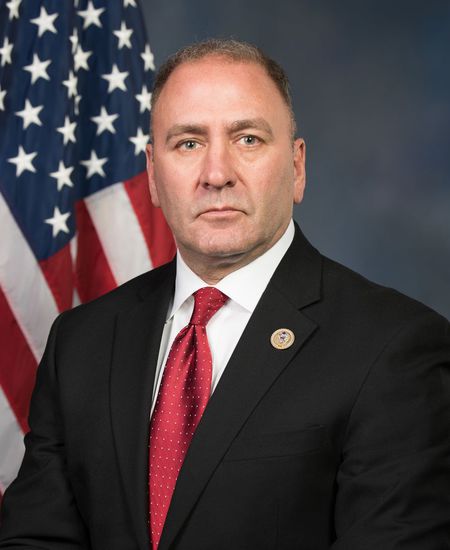
119th Congress Introduced by Clay Higgins and 2 co-sponsors

Adds utility line technicians who respond to major disasters or presidentially declared emergencies to the list of emergency response providers under the Homeland Security Act.

Referred to the Subcommittee on Economic Development, Public Buildings, and Emergency Management.
0
WeVote Research Nonpartisan
Bill Summary · HR 7996

Overview

HR 7996, the Linemen Legacy Act, aims to clarify and expand the definition of “emergency response providers” under the Homeland Security Act of 2002. Specifically, it adds utility line technicians who respond to major disasters or President-declared emergencies to the list of emergency response providers. The bill was introduced in the 119th Congress and referred to the House Committee on Transportation and Infrastructure, with subsequent referrals to a subcommittee.

Purpose and Intent

  • To recognize utility line technicians as emergency response providers.
  • To ensure that utility line workers who respond during major disasters or Presidentially declared emergencies are explicitly covered by federal emergency response frameworks.
  • The change seeks to formalize the role of line technicians within national emergency management and response efforts.

Key Provisions

  • Section 2(6) of the Homeland Security Act of 2002 is amended to:
    • Replace the existing wording so that the definition includes “Federal” among the items (structural language adjustment).
    • Remove the current period and replace it with a semicolon, expanding the list of emergency response providers.
    • Add a new subparagraph establishing that utility line technicians responding to:
    • a major disaster, or
    • an emergency declared by the President under section 501 of the Robert T. Stafford Disaster Relief and Emergency Assistance Act (42 U.S.C. 5191) are included as emergency response providers.

Who Is Affected

  • Utility line technicians (i.e., workers responsible for installing, maintaining, and repairing electrical transmission and distribution lines) who respond to major disasters or emergencies declared by the President.
  • Federal and state emergency management entities that rely on a defined set of emergency response providers for coordination and resource deployment.

Procedural and Timeline Aspects

  • Introduction date: March 19, 2026.
  • Initial referral to the House Committee on Transportation and Infrastructure.
  • Subsequent referral to the Subcommittee on Economic Development, Public Buildings, and Emergency Management on March 20, 2026.
  • As of the provided document, no major substantive amendments or final enactment details are listed; the bill moves through the standard committee process.

Potential Impact and Implications

  • Clarification within federal law could streamline mutual aid, coordination, and deployment of utility line technicians during national emergencies.
  • May influence eligibility for federal support, protections, or recognition accorded to emergency responders in disaster response activities.
  • Could affect interagency planning and collaboration among DHS components, the Federal Emergency Management Agency (FEMA), and utility sector responders during declared emergencies.
  • The actual operational impact would depend on how federal agencies implement and coordinate with utility providers once the law (if enacted) is in effect.

Note: The summary reflects the provisions as written in the bill text and the stated intent. If enacted, implementing guidance and agency rules would further define application, funding, and practical deployment specifics.

Compiled from official sources — confirm details with the bill’s official record.

Sign in to ask a question.