

WeVote

Bill

Bill

A 9218

Limits damages that can be recovered in a tort claim by uninsured motorists, intoxicated drivers, and those convicted of a felony during which the accident occurred

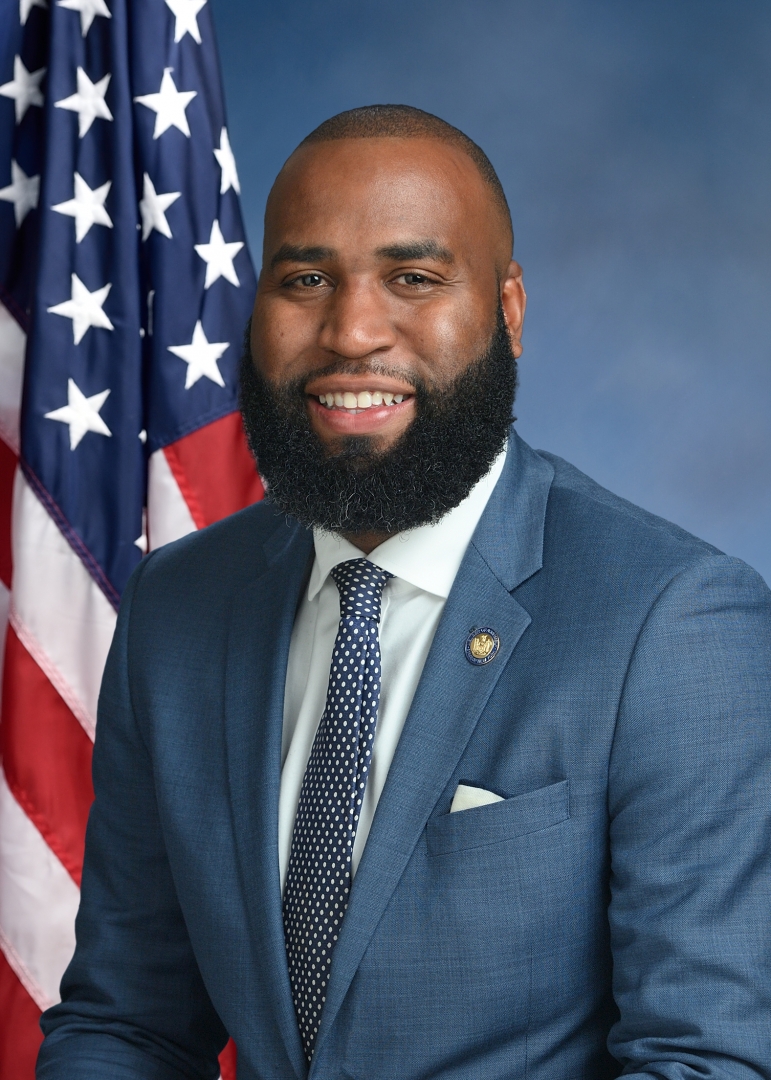
2025 Regular Session Introduced by Brian Cunningham

Imposes caps on damages in motor-vehicle torts for uninsured motorists, intoxicated drivers, or felons linked to the crash, lowering payouts to plaintiffs.

REFERRED TO TRANSPORTATION
0
WeVote Research Nonpartisan
Bill Summary · A 9218

Summary of Assembly Bill A 9218

Overview

Bill A 9218 seeks to limit the damages recoverable in tort claims by three groups connected to a driving incident: uninsured motorists, intoxicated drivers, and individuals convicted of a felony during the time of the accident. The bill is currently introduced and referred to the Transportation Committee.

  • Introduced: November 3, 2025
  • Status: Referred to Transportation
  • Primary sponsor: Brian Cunningham

What the bill would do

  • Limit damages that can be recovered in civil tort claims arising from certain motor-vehicle accidents.
  • The categories targeted by the proposed cap are:
    • Uninsured motorists
    • Intoxicated drivers
    • Persons convicted of a felony during the incident in question
  • The bill’s title indicates a cap on damages rather than, for example, broader liability reforms. The specific cap amount, method of calculation (per incident, per claimant, or per category), and whether the cap applies to economic damages, non-economic damages, or both are not provided in the available material and would be specified in the full text.
  • The bill would establish eligibility criteria to determine which claims fall under the cap and any potential exceptions or offsets (e.g., government claims, certain types of harms, or procedural rules). Those details are not included in the summary provided.

Who would be affected

  • Directly affected: Plaintiffs pursuing tort claims related to motor-vehicle accidents involving uninsured motorists, intoxicated drivers, or felonies connected to the incident.
  • Indirectly affected: Insurance carriers, defendants in relevant tort actions, and potentially healthcare and legal providers involved in such claims, given the changes to recoverable damages.

Procedural and timeline aspects

  • Current stage: Introduced and referred to the Transportation Committee, indicating the bill will undergo committee review, potential hearings, and amendments before any floor consideration.
  • Next steps (typical for this stage): Committee analysis, possible amendments, votes in committee, and then potential advancement to the full chamber for consideration.

Additional notes

  • The provided information does not include the bill’s text, specific cap amounts, definitions, or any stated exemptions or procedural rules. Access to the full bill text would be needed to specify the exact nature of the caps, their application, and any limitations or carve-outs.

If you’d like, I can prepare a section-by-section outline once the bill text is available, including potential fiscal impact and comparative analysis with existing tort-reform measures.

Compiled from official sources — confirm details with the bill’s official record.

Sign in to ask a question.