Overview
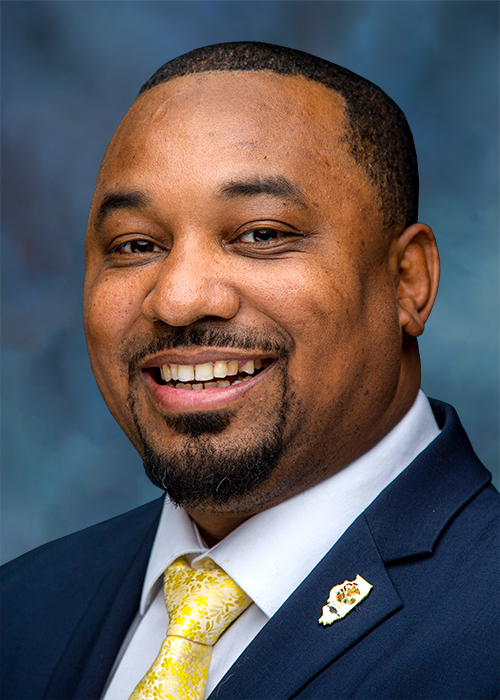
SB 4043 (104th Illinois General Assembly) titled LAW ENFORCEMENT TRAINING aims to address aspects of training for law enforcement personnel. The bill’s activity history shows it was filed in February 2026, assigned to the Criminal Law committee, and has a sponsor/co-sponsor from the Senate (Sen. Willie Preston, with a co-sponsor). The latest action as of March 27, 2026 is re-referred to Assignments.
Purpose and Intent
- The bill is positioned to modify or enhance training standards for law enforcement personnel in Illinois. While the exact statutory language isn’t provided here, the title and committee placement indicate a focus on how officers receive training, potentially covering mandatory training components, standards, or program oversight.
Key Provisions (as typically associated with “Law Enforcement Training” bills)
Note: The precise provisions aren’t enumerated in the provided summary. Based on common elements in similar legislation, anticipated areas might include:
- Establishment or update of mandatory training topics (e.g., use-of-force policies, de-escalation, implicit bias, mental health crisis intervention).
- Requirements for accrediting or approving training curricula and continuing education for officers.
- Training frequency and minimum hours for recruits and incumbent officers.
- Oversight mechanisms, such as a governing body or state agency responsible for certifying training providers.
- Compliance reporting and performance metrics to evaluate training outcomes.
- Allocation of funding or grants to support training programs or agencies unable to fund training internally.
- Provisions affecting specialized units (e.g., crisis intervention teams, road patrol, investigations) and scenario-based exercises.
If enacted, these provisions would guide what Illinois law enforcement agencies must implement in their training routines and how training quality is monitored.
Who Would Be Affected
- Law enforcement agencies across Illinois (state, county, municipal, and potentially campus police).
- Individual officers and recruits who would be required to complete specified training.
- Training academies and providers delivering mandated curricula.
- Oversight bodies or state departments designated to administer and enforce training requirements.
- Local governments and taxpayers, to the extent state funding or mandates influence local budgets.
Procedural and Timeline Considerations
- Filed: February 6, 2026.
- Assigned to: Criminal Law committee (February 24, 2026).
- First Reading: February 6, 2026.
- Committee Deadline Established: March 27, 2026.
- Re-referred to Assignments: March 27, 2026.
- Sponsor: Sen. Willie Preston (with a co-sponsor).
Pending status suggests the bill may proceed through committee discussions, potential amendments, and votes by the full Senate, and later House consideration, depending on inter-chamber negotiations and chamber rules.
Potential Impacts and Considerations
- Public Safety: Enhanced or standardized training could improve officer readiness, safety, and community interactions.
- Accountability and Transparency: Clear training requirements can bolster accountability if accompanied by reporting and oversight.
- Fiscal Implications: Training mandates may require state funding for curricula development, instructors, facilities, or stipends; local agencies might face budget effects for compliance.
- Implementation Timeline: If enacted, agencies would need to align policies and schedules to meet new training standards, possibly phased-in over multiple fiscal years.
If you can provide the actual text or specific sections of SB 4043, I can produce a more precise, line-by-line summary of the provisions and their operational impact.