

WeVote

Bill

Bill

HR 8074

Kira Johnson Act

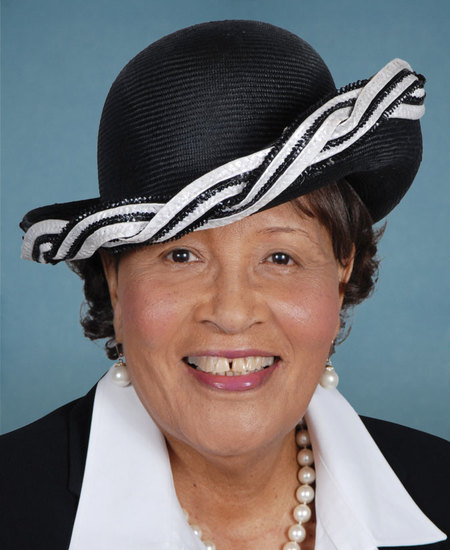
119th Congress Introduced by Alma Adams and 57 co-sponsors

Funds, trains, studies, and requires accountability to reduce bias and disparities in maternity care and promote respectful, culturally appropriate care nationwide.

Introduced in House
0
WeVote Research Nonpartisan
Bill Summary · HR 8074

Summary of HR 8074 — Kira Johnson Act (Session 119)

Main purpose

The Kira Johnson Act aims to improve maternal health equity in the United States by funding community-based programs, expanding respectful maternity care, studying bias in maternity care, and establishing compliance and accountability mechanisms within hospitals and birth settings. The overarching goal is to reduce maternal mortality and severe maternal morbidity among disproportionately affected demographic groups and to promote culturally and linguistically appropriate care.

Key provisions and changes

1) Sustained funding for community-based organizations (CBOs)

  • Authorization: $100 million per year for fiscal years 2027–2031 to support grants.
  • Eligible applicants: Community-based organizations that align with evidence-based practices to improve maternal health outcomes for groups with elevated risk.
  • Timeline:
    • 1-year outreach and technical assistance period after enactment to help eligible entities apply.
    • Grants awarded after the initial outreach period.
  • Special considerations in awards:
    • Prioritize organizations based in and serving communities with high maternal health disparities.
    • Favor leadership from demographic groups disproportionately affected.
    • Emphasize programs that address mental health, substance use, social determinants of health, health literacy, perinatal health workers, midwifery, research on disparities, group care, and mutual aid during formula shortages.

2) Respectful maternity care training for all maternity care employees (Title VII amendment)

  • New section 742 of the Public Health Service Act.
  • Grants to fund programs reducing bias and discrimination and promoting trauma-informed, respectful, culturally and linguistically congruent care.
  • Special considerations:
    • Applies to all maternity care providers and any staff interacting with pregnant/postpartum individuals.
    • Emphasizes ongoing (not one-time) training, licensure continuing education, implicit bias, antiracism, and shared decision-making.
    • Encourages integration with emergency care training and diverse care teams.
  • Funding: $5 million per year for FY 2027–2031.
  • Reporting: Annual reporting on training impact, patient outcomes, and experiences; annual best-practices dissemination.

3) Study on reducing bias in maternity care

  • Agreement with the National Academies (within 90 days of enactment).
  • Timeline: Study completed and results reported to Congress within 24 months.
  • Potential topics: evaluation standards (scorecards), training frequencies, and strategies to reduce bias and improve patient outcomes and experiences.

4) Respectful maternity care compliance program (grants to hospitals/health systems)

  • Purpose: Fund programs to institutionalize mechanisms for reporting bias and for timely follow-up.
  • Requirements include public-facing bias-reduction strategies, reporting of cases (including deidentified demographic data), and annual reporting to the Secretary on cases and outcomes.
  • Secretary responsibilities include disseminating best practices and evaluating program effectiveness.

5) Government accountability and oversight (GAO report)

  • Biannual/ongoing reporting starting within 2 years of enactment.
  • Topics include adoption rates of respectful care programs, geographic and institutional disparities, and recommendations for broader implementation and additional funding needs.

Affected entities and timeline

  • Eligible: Community-based organizations, accredited hospitals, health systems, and other maternity care settings.
  • Implementation periods begin with a one-year outreach/assistance phase, followed by grant awards.
  • Ongoing reporting to Congress and public dissemination of best practices.

Definitions (selected)

  • Culturally and linguistically congruent: Care aligned with patient cultural values, language, and practices.
  • Maternal health terms: Maternal mortality, postpartum period (1 year), pregnancy-related and pregnancy-associated deaths.
  • Perinatal health worker: Includes doulas, community health workers, peer supporters, lactation consultants, social workers, and other nonclinical roles.

Overall impact

If enacted, HR 8074 would significantly expand funding for community programs, require widespread training to counter bias in maternity care, establish evaluative studies and accountability mechanisms, and promote transparent reporting on bias and patient experiences. The combined approach targets reducing disparities in maternal outcomes and improving the safety, dignity, and cultural responsiveness of maternity care.

Compiled from official sources — confirm details with the bill’s official record.

Sign in to ask a question.