

Keep China Out of Solar Energy Act of 2025
HR 1167 bans Chinese solar products, boosts U.S. manufacturing with tax incentives, and enhances supply chain transparency to protect national security and promote jobs.
The Keep China Out of Solar Energy Act of 2025 (HR 1167) aims to restrict the involvement of Chinese companies in the U.S. solar energy sector. The bill is introduced in response to concerns regarding national security, economic competition, and the integrity of the American solar supply chain. By limiting Chinese influence, the legislation seeks to promote domestic manufacturing and ensure that U.S. solar energy initiatives are not reliant on foreign entities.
The bill includes several significant provisions designed to achieve its objectives:
Prohibition of Chinese Solar Products: The legislation would prohibit the importation and use of solar energy products manufactured by companies based in China or owned by Chinese entities.
Incentives for Domestic Production: The bill proposes tax incentives and grants for U.S. companies that manufacture solar energy components domestically. This aims to bolster the domestic solar industry and create jobs.
Supply Chain Transparency: Companies involved in the solar energy sector would be required to disclose their supply chains, ensuring that no components are sourced from Chinese manufacturers.
National Security Review: The bill mandates a review process for solar energy projects that involve foreign investment, particularly from China, to assess potential risks to national security.
The Keep China Out of Solar Energy Act of 2025 would impact various stakeholders, including:
U.S. Solar Manufacturers: Domestic manufacturers may benefit from reduced competition from Chinese products and increased incentives for local production.
Importers and Distributors: Companies that currently import solar products from China would need to adjust their supply chains, potentially facing increased costs and operational challenges.
Consumers: The bill could lead to higher prices for solar products in the short term due to reduced competition, but it may also foster a more robust domestic market in the long run.
Government Agencies: Agencies responsible for overseeing energy and trade would need to implement new compliance measures and review processes.
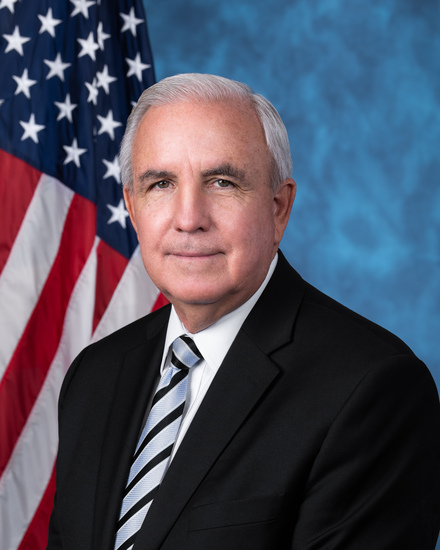
The bill is sponsored by Carlos A. Gimenez and co-sponsored by Mike Haridopolos, indicating bipartisan support for the initiative.
HR 1167 represents a significant legislative effort to reshape the U.S. solar energy landscape by reducing reliance on Chinese products and promoting domestic manufacturing. As the bill progresses through the legislative process, its implications for the solar industry and broader economic relations with China will be closely monitored.
Compiled from official sources — confirm details with the bill’s official record.
Sign in to ask a question.