

WeVote

Bill

Bill

SB 78

Juvenile Child Sex Offenders - Juvenile Sex Offender Registry and Prohibition on In-Person School Attendance

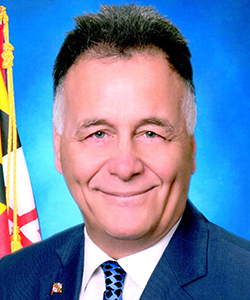
2025 Regular Session Introduced by Johnny Salling

SB 78 creates a juvenile sex offender registry and bans adjudicated minors from in-person school attendance in Maryland.

Hearing 1/28 at 1:00 p.m. (Judicial Proceedings)
0
WeVote Research Nonpartisan
Bill Summary · SB 78

Legislative bill overview

SB 78 would establish a juvenile sex offender registry in Maryland and prohibit juveniles adjudicated of sex offenses from attending school in-person. The bill creates new registration requirements and attendance restrictions for minors found to have committed sexual offenses, treating them similarly to adult sex offender registry schemes in many states.

Why is this important

This legislation directly impacts public safety policy, school operations, and the treatment of minors in the criminal justice system. It raises significant questions about rehabilitation versus punishment for juveniles, educational access rights, and the effectiveness of sex offender registries in preventing recidivism—issues with substantial consequences for affected youth, schools, and communities.

Potential points of contention

  • Rehabilitation vs. Punishment: Juvenile justice systems traditionally emphasize rehabilitation; prohibiting school attendance may undermine educational rehabilitation and reintegration while potentially increasing recidivism risk
  • Educational Access Rights: Complete in-person school bans raise constitutional questions about denying minors compulsory education access and may violate special education requirements under federal law
  • Registry Effectiveness and Stigma: Research on juvenile sex offender registries shows mixed evidence on crime prevention; permanent registration can cause lifelong collateral consequences that exceed the offense severity for youth who develop normally
  • Due Process Concerns: The bill's implementation details (hearing procedures, appeal rights, case-by-case exceptions) are unclear from the summary, raising fairness questions
  • Alternative Approaches: Virtual schooling, specialized programs, or graduated restrictions might achieve safety goals with less educational disruption

Compiled from official sources — confirm details with the bill’s official record.

Sign in to ask a question.