

WeVote

Bill

Bill

SB 3942

JUV CT-YOUTH RELEASE

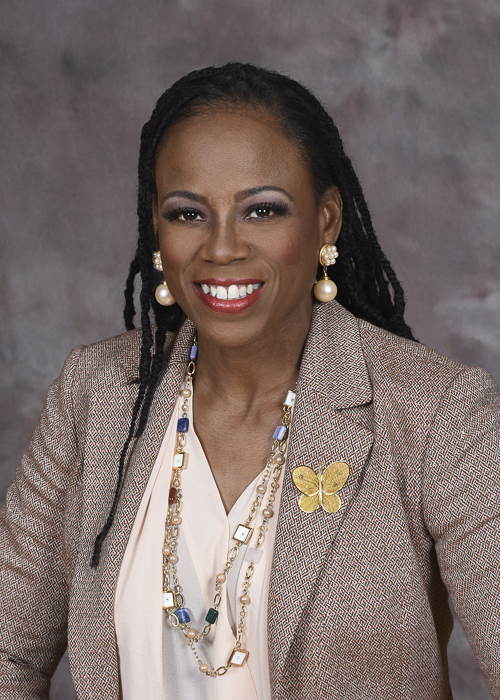
104th Regular Session Introduced by Carol Ammons and 9 co-sponsors

Strengthens court oversight and timely reporting on minors under DJJ or DCFS custody, ensuring regular updates, clearer aftercare, and standardized notification across agencies.

0
WeVote Research Nonpartisan
Bill Summary · SB 3942

Overview

SB3942, introduced in the 104th Illinois General Assembly, makes amendments to the Juvenile Court Act of 1987 regarding court review, custody/guardianship, reporting requirements, and procedures for youth committed to the Department of Juvenile Justice (DJJ) or under Department of Children and Family Services (DCFS) guardianship. The bill aims to strengthen oversight, ensure more frequent case updates, clarify aftercare processes, and formalize notification and reporting across agencies involved in juvenile custody and detention decisions.

Main purpose and intent

  • Enhance court oversight of legally appointed custodians/guardians for minors, including DJJ and DCFS involvement.
  • Improve timely reporting to courts on the status, care, and post-release planning for minors.
  • Clarify and expand aftercare release rules and transition procedures for youths leaving DJJ custody.
  • Establish systematic notification requirements to guardians ad litem, attorneys, and guardians and ensure access to reports.
  • Specify procedural steps for permanency and successful transition to adulthood for youth under court-ordered supervision.

Key provisions and changes

  1. Court review and reporting (Section 5-745)

    • Courts may require periodic reports from legal custodians/guardians or cite them to court to obtain full, accurate reports of decisions and actions on behalf of the minor, including post-release placement efforts.
    • Reports must be filed within 10 days of citation; courts may remove and replace custodians if necessary.
  2. DCFS as custodian; ongoing case plans (amended text)

    • DCFS must file updated case plans with the court every 6 months.
    • Each agency with guardianship must file supplemental petitions for court review every 18 months, with related notice requirements (certified mail, etc.).
    • If the minor is in DCFS custody, the court shall conduct permanency hearings per specified sections and times.
  3. Rights enforcement

    • Wards’ rights under this Act are enforceable against public agencies via mandamus actions in related proceedings.
  4. Custody changes and auto-termination considerations (Section 5-745(3))

    • Minor or interested party may seek custody changes or restoration to parents. If a minor turns 18 and guardians petition for termination, guardianship/custody terminates automatically after 30 days unless the court orders otherwise. Custodian removal requires notices and a hearing.
  5. Department notification of critical events (Section 5-745(4))

    • DJJ must notify the court within 10 days of:
      • Critical incidents involving a DJJ-committed youth (e.g., serious risk, accidents, hospitalizations, abuse, escapes).
      • Youth released by the Prisoner Review Board but still in DJJ due to lack of aftercare host site.
      • Youth held in DJJ beyond one year (with exceptions for certain offenses), and supplemental six-month reports thereafter.
    • The notification should summarize the incident and current health and actions taken. The court may require full reports.
  6. Ombudsperson and notice provisions (Section 5-745(5))

    • The Independent Juvenile Ombudsperson must provide copies of reports to the minor’s guardian ad litem and attorney, when applicable, and notify guardians/parents of report availability as appropriate.
  7. Commitments to DJJ; criteria and procedures (Section 5-750)

    • Revises standards for committing a delinquent minor to DJJ, including individualized factors the court must consider (age, criminal history, assessments, education, health, prior services, and DJJ services).
    • Requires a finding that reasonable efforts were made to prevent removal from home, unless good cause exists.
    • For minors aged 13+ charged with first-degree murder, new provisions set ward status and a structured aftercare framework, with potential aftercare to age 21 and automatic limitations tied to offense type.
    • Generally preserves indeterminate DJJ commitment with automatic termination at age 21 or earlier completion of comparable adult time, unless discharged earlier or otherwise terminated.
  8. Aftercare release terms (Section 5-750(3.5))

    • Establishes aftercare release eligibility for all delinquent minors, regardless of time served, administered by DJJ.
    • Sets specified aftercare durations by offense severity (Class X: 1.5 years; Class 1 or 2: 1 year; Class 3 or lesser: 6 months) before discharge.
    • Outlines court scheduling considerations around anticipated release dates and DJJ’s authority to manage release.
  9. Administrative and reporting requirements to DJJ and court (Section 5-750(5))

    • Requires the court to transmit various documents and records to DJJ when a minor is committed, including sentencing orders, reports, health records, and criminal history information, and specifies data formats and items to include.
  10. Suspension of commitments during certain criminal charges (Section 5-750(7))

    • While a DJJ-committed minor resides in-state and is charged with offenses that could lead to prison time, DJJ commitment and aftercare are suspended pending disposition; if convicted and sentenced, DJJ commitment may terminate; if charges are dismissed or resolved without imprisonment, DJJ commitment and aftercare are reinstated unless custodianship ends earlier. Court may still impose another disposition under existing law.

Who and what is affected

  • Juveniles adjudicated delinquent and placed under state custody (DJJ or DCFS guardianship) within Illinois Juvenile Court system.
  • Department of Juvenile Justice (DJJ) and Department of Children and Family Services (DCFS) as custodians or guardians.
  • Court system, particularly Juvenile Courts, guardians ad litem, the minor’s attorney, and the Independent Juvenile Ombudsperson.
  • Aftercare providers and community-based service providers involved in a minor’s rehabilitation and transition.
  • Agencies responsible for permanency, placement, and aftercare planning, including communication requirements and notification timelines.

Procedural and timeline aspects

  • Reporting timelines: custodians must report within 10 days of citation; DCFS case plans updated every 6 months; supplemental petitions due every 18 months.
  • Notification timelines: critical incidents and certain other events reported to the court within 10 days; guardians/ad litem and attorneys receive copies of reports.
  • Aftercare timelines: standardized durations based on offense class; automatic discharge rules apply unless extended or terminated by court.
  • Permanency and transition hearings: permanency and Successful Transition to Adulthood review hearings are directed for DCFS custody cases.
  • Suspension provisions: DJJ commitments under certain offenses may be suspended pending criminal case outcomes, with automatic considerations for reinstatement or termination based on disposition.

Effective date and status

  • The act references prior amendments and notes effective dates for related provisions, indicating ongoing integration with other Public Acts. As of the latest actions, the bill progressed through committee and floor votes in 2026, with cross-chamber sponsorship and committee routing.

If you’d like, I can tailor this summary to a specific audience (legislative staff, legal practitioners, or the general public) or add a side-by-side comparison with current law to highlight exact changes.

Compiled from official sources — confirm details with the bill’s official record.

Sign in to ask a question.