

WeVote

Bill

Bill

HR 10242

Janie Wynn Protecting Elders from Financial Exploitation Act

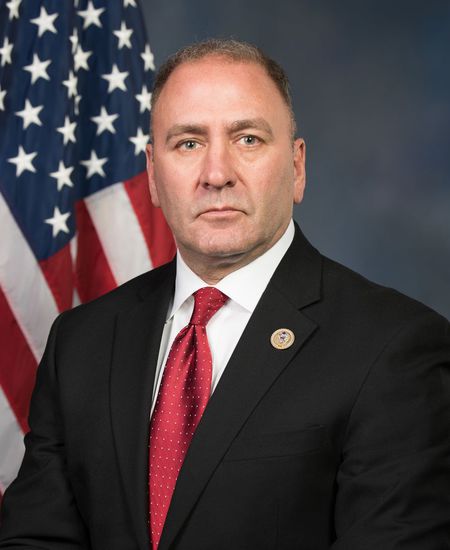
119th Congress Introduced by Clay Higgins

Requires CFPB final rule within 180 days to protect seniors from exploitation by mandating activation-based fraud alerts for pre-approved cards, rapid fraud detection, and optional

Introduced in House
0
WeVote Research Nonpartisan
Bill Summary · HR 10242

Overview

  • Bill: HR 10242
  • Session: 119th Congress, 2nd Session
  • Title: Janie Wynn Protecting Elders from Financial Exploitation Act
  • Purpose: Require the Director of the Consumer Financial Protection Bureau (CFPB) to issue a final rule governing fraud alerts and related protections for seniors when pre-approved credit cards are issued, and to improve detection and notification of potential financial exploitation by financial institutions.

What the bill does

Main objective

  • Mandates the CFPB to issue a final rule within 180 days of enactment that enhances protections against senior financial exploitation in the context of pre-approved credit cards.

Key provisions

  1. Fraud alerts for pre-approved cards

    • For any card issuer that issues a pre-approved credit card to a senior citizen:
      • Upon activation, the issuer must provide a fraud alert to:
      • The cardholder
      • An additional individual chosen by the cardholder who is at least 25 years old (unless the cardholder waives this requirement as allowed by the statute)
      • Eligible individuals to be alerted can include a relative or spouse, or someone who has explained their relationship to the cardholder to the issuer.
  2. Training and rapid notifications for fraud indicators

    • Depository institutions and credit unions must train employees who perform fraud-detection services to identify activities indicative of senior exploitation.
    • Institutions must notify a senior account holder within 24 hours of detecting any qualifying activity, including but not limited to:
      • Irregular ATM use, card use, online banking, or wire transfers
      • Irregular cash withdrawals
      • Irregular credit card charges
      • Gaps in deposits or activity in previously inactive accounts
      • Addition of an authorized user or change of address
      • Inability to cover a payment due to insufficient funds
      • Requests to increase credit limits
      • Large purchases of gift cards or prepaid debit cards (aggregate > $100)
      • Unusual electronic payments to recipients with no prior history
      • Gaps in check numbers for cashed checks
  3. Waiver option (exception)

    • The rule can allow a waiver for the notification requirement to a designated third party if:
      • The cardholder signs a waiver acknowledging increased risk of exploitation, and
      • The issuer retains a copy of the waiver for at least five years after the card is deactivated.

Definitions (as used in the bill)

  • Cardholder, Card Issuer: As defined in section 103 of the Truth in Lending Act.
  • Depository Institution: As defined in the Federal Deposit Insurance Act.
  • Exploitation, Senior Citizen: As defined in the Economic Growth, Regulatory Relief, and Consumer Protection Act.
  • Fraud Alert: A notice about suspected fraudulent activity, delivered by phone, email, or text, with details to alert the individual and information on how to contact the issuer.
  • Pre-approved Credit Card: A card offered based on the issuer’s determination that the individual likely meets qualifications for approval.

Who is affected

  • Card issuers that issue pre-approved credit cards to seniors.
  • Depository institutions (banks) and credit unions that perform fraud-detection services for senior accounts.
  • Senior citizens who hold accounts with these issuers.
  • Potentially, any individuals designated by seniors to receive fraud alerts (subject to waiver provisions).

Procedural and timeline aspects

  • Enactment timeline: The CFPB must issue the final rule within 180 days after enactment.
  • Implementation scope: Applies to pre-approved credit cards issued to seniors; requires activation-associated fraud alerts and comprehensive fraud-detection training and rapid notification practices.
  • Recordkeeping: Waiver provisions require retention of waiver documents for at least five years after card deactivation.

Potential impacts

  • Increased protections for seniors against financial exploitation by ensuring timely fraud alerts and rapid response to suspicious activity.
  • Enhanced involvement of trusted individuals in monitoring seniors’ credit activity (with optional waivers).
  • Greater responsibility on financial institutions to train staff and establish rapid notification protocols.
  • Possible compliance costs for issuers and institutions to implement alert systems, training, and recordkeeping; potential administrative burden but with intended risk mitigation for elder financial abuse.

Compiled from official sources — confirm details with the bill’s official record.

Sign in to ask a question.