

WeVote

Bill

Bill

HB 5595

ISP-SEPARATE JUVENILE DATABASE

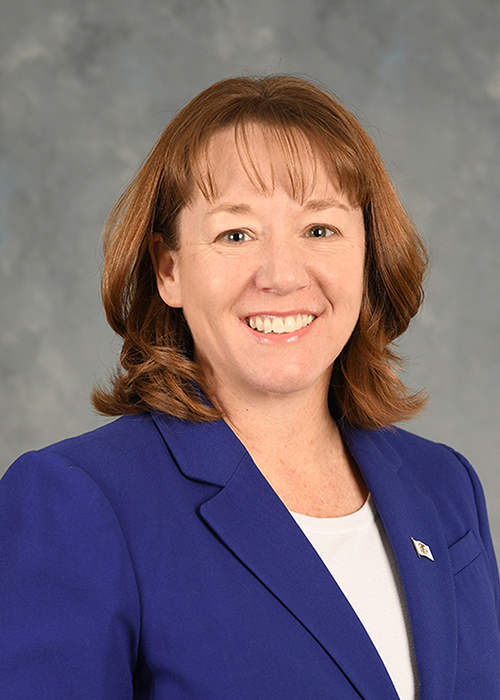
104th Regular Session Introduced by Amy Elik and 4 co-sponsors

HB5595 would create a separate statewide juvenile delinquency data system run by the Illinois State Police, plus updated data-sharing rules and stricter liquor penalties.

Added as Alternate Co-Sponsor Sen. Emil Jones, III
0
WeVote Research Nonpartisan
Bill Summary · HB 5595

Summary of HB5595 (104th General Assembly, Illinois)

Main purpose and intent

  • Establish a separate statewide statistical police contact recordkeeping system for the study of juvenile delinquency, to be developed by the Illinois State Police (ISP).
  • Create conforming changes to existing statutes (Criminal Identification Act and Liquor Control Act) to accommodate and integrate the new juvenile-delinquency data system.

Key provisions and changes

  • ** repeals/alterations to ISP law**:

    • The bill repeals Section 2605-350 from the Illinois State Police Law (Civil Administrative Code). This section previously governed certain aspects of ISP recordkeeping and reporting; its repeal signals reorganization or redefinition of how data are collected and shared, with the new juvenile database in mind.
  • Criminal Identification Act (20 ILCS 2630/3):

    • The section that governs information maintained by the ISP and the distribution of identifying data to various entities is amended. The changes specify:
    • ISP shall file and index plates, photographs, outlines, measurements, descriptions, and related data, maintaining a complete and systematic record.
    • Information can be furnished upon request to a broad set of recipients, including:
      • Peace officers in the United States and other jurisdictions
      • Investigators and units within Illinois agencies
      • Local government units, school districts, private organizations, and requesting institutions under specified sections of the Illinois State Police Law
    • Applications for such information must be in writing and accompanied by a certificate from the requesting authority attesting that the information is necessary for administering criminal laws or evaluating the character/qualifications of employees, volunteers, or access to municipal or utility facilities.
    • The definition of “chief administrative officer” for purposes of this subsection lists roles such as city manager, mayor, village president, county board chair, school board president, township supervisor, or other designated official who can authorize requests.
    • Subsection (B) allows state agencies and local government units (excluding school districts) to submit fingerprints for conviction information, with ISP submitting to the FBI as needed, and ISP to charge an actual-cost fee for dissemination.
    • Subsection (C) allows the ISP to provide criminal history information to commanding officers of Illinois military installations for access to federally mandated checks, with a fee not to exceed actual costs.
  • Liquor Control Act of 1934 (235 ILCS 5/10-1):

    • Several amendments to penalties and enforcement provisions related to the manufacture, importation, distribution, and sale of alcohol:
    • Establishes serious felony penalties for illicit activities involving specific volumes of alcohol (e.g., 108 liters wine, 45 liters distilled spirits, 118 liters beer) without a valid license.
    • Establishes related penalties for smaller quantities, with business offenses and potential subsequent Class 4 felonies.
    • Provides exceptions for certain transportation or distribution actors (motor carriers, air carriers, rail carriers).
    • Additional provisions concerning:
    • Suspension or revocation of licenses for retailers and related entities that import directly from outside Illinois for purposes of resale, with penalties based on the number of offenses.
    • Actions tied to foreign jurisdictions’ final orders affecting Illinois licensees.
    • False statements or violations of licensing provisions carrying penalties (petty offense for first offense, Class B misdemeanor for subsequent offenses).
    • Penalties for failure to prohibit concealed firearms on licensed premises (potential fines up to $5,000 for establishments with significant alcohol sales).
    • Daily offense accrual for ongoing violations and specific penalties for underage purchases.
    • Penalties for exceeding license-authorized wine production by licensees, with fines per excess gallon.
    • Provisions enabling peace officers to be exempt from prosecution under specified circumstances with written approval from designated authorities.

Who/what would be affected

  • Illinois State Police: Primary agency responsible for creating and managing the new statewide juvenile delinquency data system; also involved in revised recordkeeping and data-sharing practices under the Criminal Identification Act.
  • State and local government entities, school districts, private organizations, and certain requesting institutions: Potential recipients of identifying information and conviction data, under the updated framework for data requests.
  • Peace officers, investigators, and license-issuing bodies: Entities able to request and receive data; the scope and governance of such access are clarified and expanded.
  • Liquor licensees and related entities: Subject to updated penalties and enforcement provisions for license violations, including sales without licenses, importation from outside Illinois, and other violations; enhanced penalties for certain conduct (concealed firearms on premises; foreign jurisdiction penalties affecting Illinois licenses).
  • Juvenile delinquency studies: Indirectly affected, as the separate juvenile database is intended to support research and study of juvenile delinquency, potentially informing policy and prevention programs.

Procedural and timeline aspects

  • Status and actions:
    • Introduced February 13, 2026; sponsored by Rep. Michael J. Kelly, with several co-sponsors.
    • Passed the House at earlier stage (as indicated by sequence: third reading in late March 2026 with a favorable vote; subsequent activity in April 2026 transitioning to Senate).
    • As of early May 2026, Senate developments include: Chief Senate Sponsor named (Sen. Michael E. Hastings) and additional co-sponsors noted; the bill has been added as an alternate co-sponsor in the Senate.
  • Implementation considerations:
    • The creation of a separate juvenile database implies development, funding, governance, data-sharing protocols, privacy safeguards, and interagency agreements.
    • Repeal of a section in the ISP Law (2605-350) suggests a restructuring of data-collection authority and reporting requirements, with the new system serving as the reference framework.
    • The Liquor Control Act amendments introduce immediate penalties for offenses; these provisions would become enforceable upon passage and effective dates specified in the act (not provided in the text provided).

Bottom line

HB5595 aims to create a dedicated statewide juvenile delinquency data system managed by the Illinois State Police, alongside conforming updates to data-sharing authorities under the Criminal Identification Act and broader enforcement enhancements under the Liquor Control Act. If enacted, the bill would shape how identifying and conviction information is stored, accessed, and used for juvenile delinquency study, while also tightening certain alcohol licensing penalties and enforcement mechanisms.

Compiled from official sources — confirm details with the bill’s official record.

Sign in to ask a question.