

WeVote

Bill

Bill

SB 3675

ISBE-FUNDING STUDY

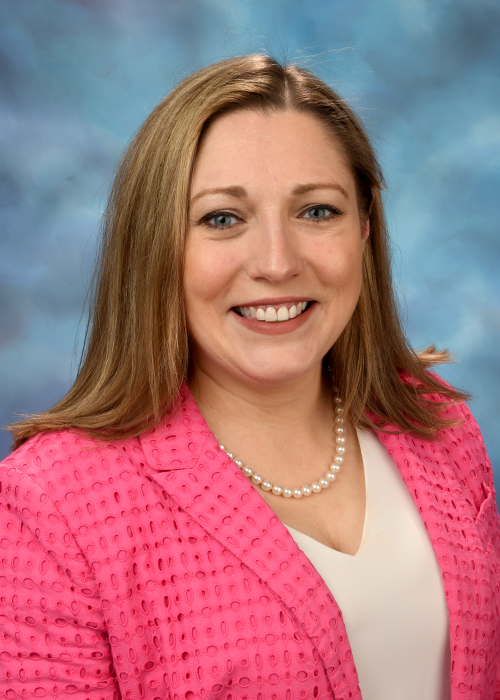
104th Regular Session Introduced by Rachel Ventura

The bill would study and potentially propose a statewide shared funding system funded by a statewide property tax, with local budgets voter-approved.

Rule 2-10 Committee/3rd Reading Deadline Established As May 22, 2026
0
WeVote Research Nonpartisan
Bill Summary · SB 3675

Summary of SB 3675 (104th General Assembly, Illinois)

What the bill aims to do

SB 3675 proposes an education funding reform study led by the Illinois State Board of Education (ISBE) in collaboration with the Department of Revenue. The core goal is to develop a funding system that both controls costs and creates a more equitable distribution of education funding. A key featured idea within the bill is exploring the feasibility of a statewide shared funding mechanism.

Key provisions

  • New statutory section added: Section 1A-12 to the School Code.
  • Study mandate: The ISBE, in cooperation with the Department of Revenue, must conduct an education funding reform study.
  • Objectives of the study:
    • Develop a funding system that controls costs.
    • Create a more equitable funding system across districts.
    • Specifically study the feasibility of a statewide shared funding system.
  • Proposed funding mechanism (subject of study): The bill envisions a framework where local school districts propose budgets that are approved by voters, and funding would come from a statewide property tax fund instead of local property taxes.
  • Deliverable: The ISBE must submit a report to the Governor and the General Assembly with findings and any proposed statutory changes needed to implement a transition to the new funding system.
  • Deadline for report: No later than December 31, 2026.
  • Effective date: Immediate upon becoming law.

Who is affected

  • State agencies: ISBE and the Department of Revenue participate in the study.
  • Local school districts: If the feasibility study supports the model, districts would participate in a budgeting process where proposals are voter-approved and funded via a statewide property tax mechanism.
  • General public and taxpayers: Voters would have a role in approving school budgets under the proposed framework, and taxpayers would be impacted by any shift from local property tax funding to a statewide funding approach.

Procedural and timeline details

  • Introduced: February 5, 2026, by Sen. Rachel Ventura (co-sponsor listed in the bill as well).
  • Committee process: Assigned to Appropriations- Education; Rule 2-10 deadlines set for reporting and consideration (initial deadlines in 2026: April 24, then May 15 for third reading target).
  • Report deadline: December 31, 2026.
  • Effective date: Immediate upon enactment.

Notes on impact and scope

  • The bill does not enact a new funding system itself but initiates a comprehensive evaluation of reform options, with particular focus on a potential transition to a statewide shared funding model funded by a statewide property tax, replacing or supplementing local property taxes.
  • Any statutory changes would require legislative action after the study’s findings and recommendations.
  • The outcome could influence future debates on equity, regional disparities in school funding, and the role of voter oversight in budgeting.

Compiled from official sources — confirm details with the bill’s official record.

Sign in to ask a question.