

WeVote

Bill

Bill

SB 4173

$ISBE-COMMUNITY LEARN CENTERS

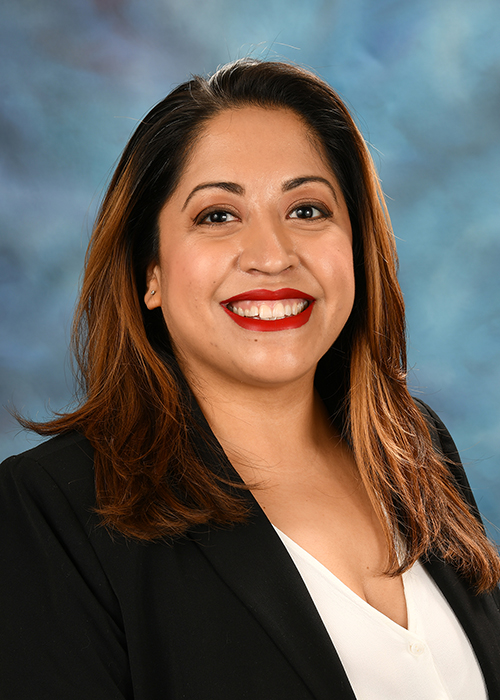
104th Regular Session Introduced by Celina Villanueva

Creates and funds ISBE-backed community learning centers offering after-school, tutoring, enrichment, and supports to expand nontraditional student learning options.

Referred to Assignments
0
WeVote Research Nonpartisan
Bill Summary · SB 4173

Bill Summary: SB 4173 (Illinois, 104th Session)

Purpose and intent

SB 4173, titled “ISBE-Community Learn Centers,” appears to propose establishing or supporting community learning centers in conjunction with the Illinois State Board of Education (ISBE). The bill’s main goal is to create, fund, or regulate community-based learning centers to support student learning outside of traditional classroom settings. The exact statutory language is not provided here, but the bill is positioned to involve ISBE in oversight, funding, or coordination of these centers.

Key provisions and changes (as typically associated with this type of measure)

  • Establishment or designation of centers: Authorization or framework for creating community learning centers within or in partnership with schools or districts.
  • ISBE role: Clarifies ISBE’s responsibilities, which may include governance, program standards, reporting, oversight, and potential grant administration for centers.
  • Funding mechanisms: Potentially authorizes state funds, grants, or reallocations to support center operations, staffing, facilities, or program activities. Could specify matching requirements, eligible expenditures, and funding cycles.
  • Program scope and services: Likely outlines the types of services offered by centers (e.g., tutoring, after-school programs, enrichment activities, summer learning, college and career readiness, family engagement, digital access, mental health supports).
  • Eligibility and access: May define which students or communities are eligible (e.g., Kentucky-style, Illinois-specific criteria such as district enrollment, Title I status, or geographic considerations) and any priority populations.
  • Accountability and reporting: Possible requirements for progress reporting, performance metrics, evaluation methods, and annual reporting to the General Assembly or ISBE.
  • Collaboration and partnerships: Encourages partnerships with local schools, nonprofits, libraries, community organizations, and higher education institutions to deliver services.
  • Equity considerations: Provisions aimed at reducing achievement gaps, improving access for underserved students, and ensuring culturally responsive programming.
  • Operational guidelines: Rules related to governance, employee qualifications, safety standards, data privacy, and potential waivers or regulatory considerations.

Who would be affected

  • Students and families: Beneficiaries of enhanced out-of-school learning opportunities, enrichment, and support services.
  • School districts and schools: Partners or operators of community learning centers; responsible for coordinating with ISBE and adhering to any established standards and reporting requirements.
  • ISBE: Lead state agency responsible for program oversight, funding administration, and statewide implementation guidance.
  • Community organizations and providers: Potential partners or contractors delivering center services; may gain access to funding, grants, or collaboration opportunities.
  • Educators and staff: May include new roles or expanded duties in center operations, tutoring, family engagement, and program delivery.

Procedural and timeline aspects

  • Introduction and referral: SB 4173 was filed by Sen. Celina Villanueva on March 10, 2026, and referred to Assignments on the same day, indicating it is at an early stage of the legislative process.
  • Sponsorship: Co-sponsored by Celina Villanueva; no additional sponsors listed in the available information.
  • Next steps in process: If advanced, the bill would likely move to committee hearings for public testimony and expert analysis, followed by amendments, potential passage in the Senate, and eventual consideration by the House (with parallel hearings, amendments, and votes).

Potential impact and considerations

  • Could expand access to structured learning and support services beyond the traditional school day.
  • May increase state investments in non-traditional education delivery and community-based programming.
  • Implementation would hinge on funding levels, defined performance metrics, and clear ISBE oversight guidelines.
  • Equity-focused provisions could help close gaps for underserved students if enacted with robust targeting and accountability.

Note: The summary reflects typical features of a bill titled “ISBE-Community Learn Centers” and the limited action history provided. For precise provisions, language, and fiscal details, the full bill text and fiscal note should be consulted once available.

Compiled from official sources — confirm details with the bill’s official record.

Sign in to ask a question.